Second-line CDK4/6 inhibitors showed 18-month progression-free survival of 39.4% and overall survival of 71.6% in hormone-receptor positive, HER2-negative metastatic breast cancer, according to a real-world study from Alexandria published in Annals of Oncology.
A retrospective analysis found that metastatic site, not HER2-low status or Ki-67, drove outcomes. Patients with non-visceral disease fared best, while those with brain metastases had the worst survival. Neither endocrine resistance, prior chemotherapy, nor age significantly affected progression-free survival.
Concomitant proton-pump inhibitor use was associated with shorter PFS among patients receiving palbociclib (P=0.036), the authors wrote. Treatment was generally well tolerated with no significant link between age and toxicity or dose modifications.
A separate multicenter Tunisian cohort of 286 patients treated with ribociclib or palbociclib reported longer median outcomes: 25.0 months PFS and 35.0 months overall survival, Frontiers in Oncology reported. That study gave CDK4/6 inhibitors first-line in 68.5% of cases, compared with the Alexandria cohort’s second-line setting.
In the Tunisian data, liver metastases and de novo metastatic presentation independently predicted higher progression risk (p=0.002 and p=0.008), while grade 3 neutropenia — seen in 46.2% of patients — paradoxically associated with lower progression and death risk. Treatment access pathway also mattered: patients relying on combined national insurance and indigent-access programs had significantly higher progression risk (p=0.002) than those on national insurance alone.
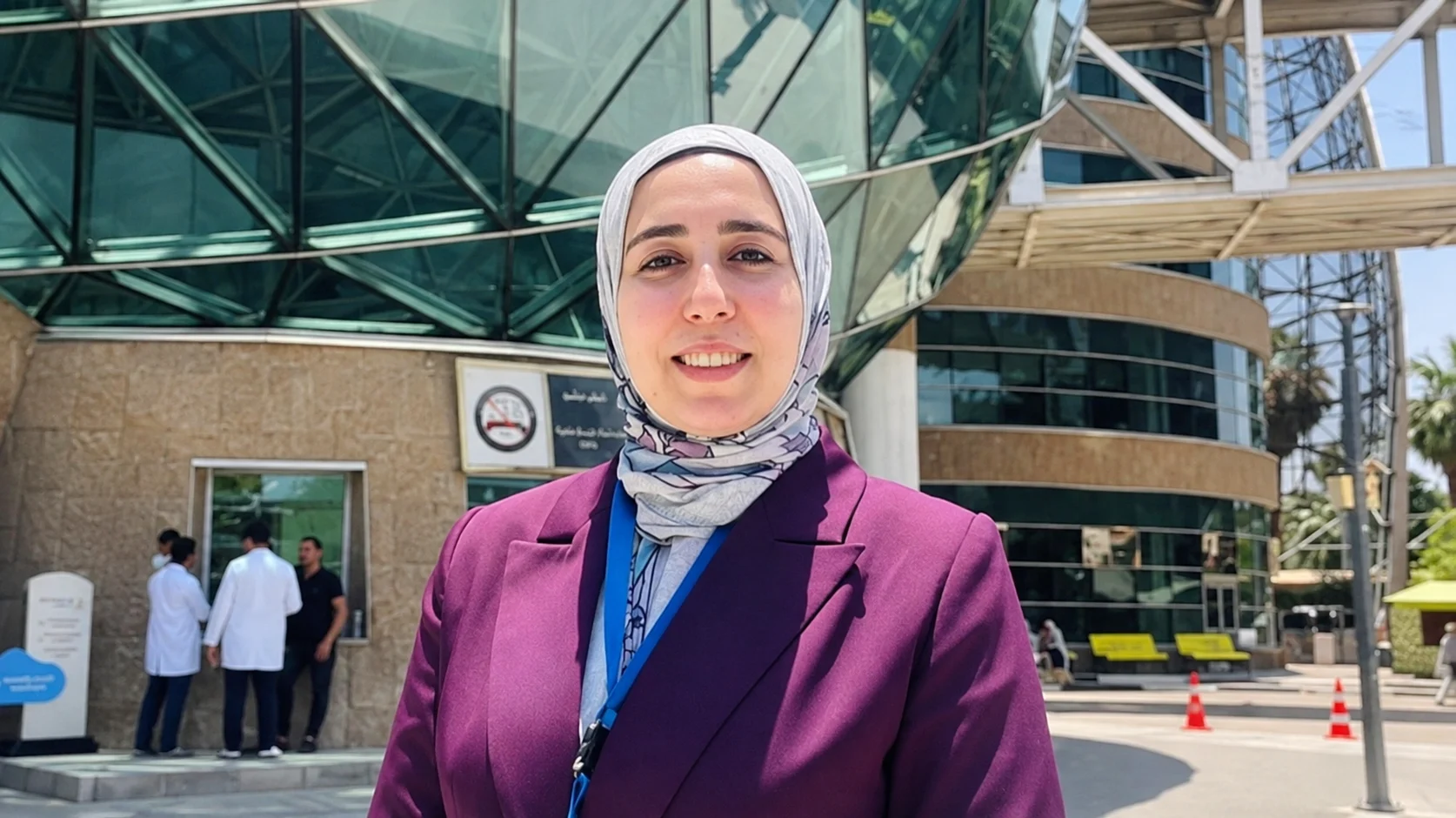
She described the moment as rewarding and heartwarming, and thanked mentor Dr. Rasha Elsaka for thoughtful review, valuable guidance and meticulous editing, as well as her supervisors for continuous support and mentorship.
The cohort was predominantly postmenopausal (68.2%) at CDK4/6 inhibitor initiation, with de novo metastatic disease in 59.1% of patients. CDK4/6 inhibitors were given first-line in 68.5% of cases. Treatment interruptions longer than three months were more frequent among patients on the access program, while shorter interruptions predominated among those insured by the National Health Insurance Fund (p < 0.001).
In multivariate analysis, liver metastases and de novo presentation independently predicted higher progression risk (p = 0.002 and p = 0.008), while grade 3 neutropenia associated with lower progression risk (p = 0.006). Each additional treatment line increased death risk (p = 0.006), whereas grade 3 neutropenia associated with lower death risk (p = 0.047).
Annals of Oncology is the official journal of the European Society for Medical Oncology (ESMO), published monthly by Elsevier since its launch in 1990 as a peer-reviewed medical journal of oncology. It operates under a hybrid open-access model and ranks among the most influential clinical oncology journals worldwide, with a 2025 Journal Impact Factor of 25.930 and Q1 ranking.
“It is truly a pleasure to see our abstract published in Annals of Oncology. She credited mentor Dr. Rasha Elsaka for “thoughtful review, valuable guidance, and meticulous editing.”

Death Toll Reaches 16 in Karachi Building Collapse as Rescue Enters Fifth Day
The death toll from a collapsed six-story building in Karachi reached 16 on Sunday, five days after the...

Carbapenem-Resistant Pseudomonas aeruginosa Infection After Primary Rhinoplasty Without Implants or Distant-Site Grafts
A 21-year-old woman developed a carbapenem-resistant Pseudomonas aeruginosa wound infection after primary rhinoplasty using only her own septal...

Israeli Strikes Kill Two in South Lebanon Ahead of Eighth Round of Talks
Israeli strikes hit southern Lebanon on Sunday, killing at least two people in Zawtar Al-Gharbiyeh, as Lebanon and...

Orcas Swim Close to Wellington Shoreline at Oriental Bay
Two orcas swam less than 100 metres from the Oriental Bay shoreline on Sunday afternoon, passing close to...