
Minnesota’s 87 counties all shifted toward Democrats in the November election, a uniform swing that delivered the DFL its largest legislative majority since the Obama administration, KTTC reported.
The sweep, labeled a “blue wave” by local observers, gave the party full control of state government and, pending a recount in the 1st Congressional District, could add a seat to the Democratic delegation in Washington.
DFL Chair Richard Carlbom and Republican Chair Alex Plechash offered strikingly similar diagnoses of the election in separate interviews two weeks after the vote. Both described the midterm as a referendum on the president and national conditions rather than a verdict on state-level governance.
“What we saw in Minnesota was a dramatic shift, in every single county,” Carlbom said. “All 87 counties moved to toward the Democrats in Minnesota, and like the rest of the country, that gained ground came from independents, came from young people, came from young white men, came from communities of color.”
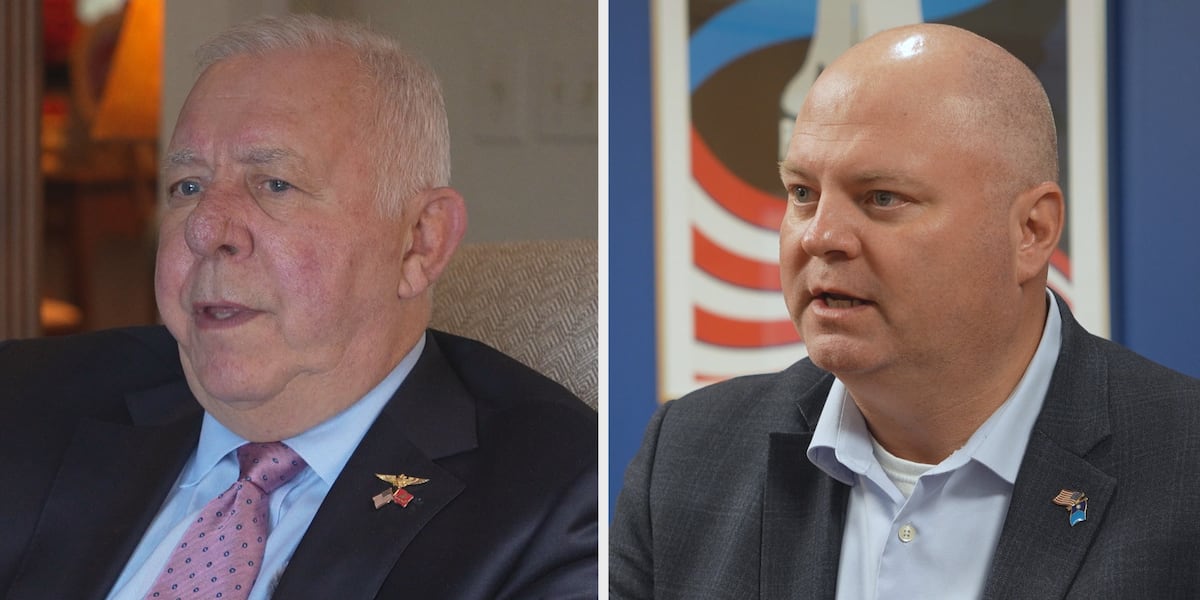
Plechash recalled the mood on election night turning somber as returns showed the same pattern nationwide. “As [votes] started coming in [on election night], the mood changed a little bit,” he said.
“It was a little bit more somber, and what we saw happening here in Minnesota was reflected even more so around the country. So it became pretty clear by the end of the night that there was a groundswell of — basically it was a referendum on the president and his policies is really what happened.”
The chairs diverged on which specific issues drove the verdict. Plechash cited an unpopular war and what he called “Operation Metro Surge” as factors that hurt Republicans. Carlbom said voters were “deeply concerned with the corruption and the policy choices Republicans were making” and sent Democrats to St. Paul “in hopes that they will lower prices for families.”

Carlbom said the party’s 2026 candidates were instructed to make listening to voters their top priority. “First and foremost, we set a priority for every candidate running for office in 2026. Their number one priority was to listen to the voters, listen carefully to what the voters were demanding, and what we heard from voters overwhelmingly was that prices were too high, that the affordability crisis was real,” he said.
“So I think in order for Democrats to deliver on commitments made [we have] to lower prices in housing and healthcare, gas and groceries. We have to do what we can.”
Republicans face a deeper identity question. Plechash acknowledged internal divisions among activists and volunteers have created friction. On Donald Trump’s role, he said the party need not distance itself from the former president but must think strategically about his place in 2028.
“We have a president that is very popular among a certain group of core Republicans — our base, if you will — and many of his policies, although unpopular with the other side, are policies that resonate, again, with our base,” Plechash said.
He noted Trump is less popular in Minnesota than in other states and that some GOP candidates did try to create distance. “That’s a known quantity. And I think some of our candidates did try to put distance between themselves and the president because this election was not about the president, not to us, not here in Minnesota.”
Keep reading

Democrats Nominate Hakeem Jeffries for Speaker, Paving Way for First Black Lawmaker to Hold Gavel
Democrats voted 251 to 11 on Wednesday to nominate Hakeem Jeffries for speaker, positioning the New York representative...

APS Demonstrates Visitor ID Scans, Panic Badges at 142 Campuses
Albuquerque Public Schools demonstrated its expanded safety infrastructure Wednesday at Cibola High School, showcasing visitor management software and...

New Jersey Republicans Propose Oct. 7 Antisemitism Remembrance Day, Urge Congress to Pass Jewish American Security Act
New Jersey Republicans filed two resolutions Monday to enshrine Oct. 7 as a permanent day of remembrance and...

Man Utd Carrington Upgrade Could Stall Over Friends of Carrington Moss Bat Objection
Manchester United's £50 million Carrington overhaul could stall over eight floodlight poles and the bats that forage beneath...