
Ohio has a chance of seeing a white Christmas this year, though the likelihood depends heavily on which part of the state you call home. While the Old Farmer’s Almanac includes Ohio in its winter outlook, the Farmers’ Almanac suggests that any snow on Christmas morning will depend on whether precipitation falls and sticks in the days leading up to the holiday.
With December 25 just six weeks away, the question of whether the state will be blanketed in snow is already surfacing. While the National Weather Service cannot provide a specific forecast for that date this far in advance, long-range predictions from traditional almanacs are already offering conflicting perspectives for Ohio residents.
The almanac predictions for Ohio
The two major almanacs offer different outlooks for the region. The Old Farmer’s Almanac includes Ohio in its winter weather outlook, noting that the state has a chance of a white Christmas. It lists the Northeast, Alaska, and the Intermountain West as the only U.S. regions specifically forecast to see snow on the holiday.
In contrast, the Farmers’ Almanac takes a more cautious stance. According to a report by the Cincinnati Enquirer, the publication indicates that for much of the country, including Ohio, a white Christmas will depend on whether snow falls before the holiday and remains on the ground.
A “white Christmas” is not merely defined by a single snowfall on the morning of the 25th. The National Oceanic and Atmospheric Administration defines the phenomenon as having one inch or more of snow on the ground on Christmas morning, meaning a city can still qualify if it experienced significant snowfall in the days prior.
Regional snow probabilities
The likelihood of meeting that one-inch threshold varies across the state. Historical climate data from 1991 to 2020 shows a clear trend where northern regions hold a much higher probability of snow than the southern counties.
| Ohio Region | Representative Cities | Historical Probability |
|---|---|---|
| Northern Tip | N/A | 50-60% |
| Northeast | Cleveland, Akron | 40-50% |
| Northwest/Central-North | Toledo | 25-40% |
| Central/South | Cincinnati, Columbus | 10-25% |
Reliability of long-range forecasting
The debate over these predictions often centers on how much weight to give to historical patterns versus modern meteorology. The Old Farmer’s Almanac claims an 80% accuracy rate using a proprietary method that combines solar activity, climate patterns, and historical trends. However, some experts argue the actual accuracy is closer to 50%.

The Farmers’ Almanac, which has been publishing since 1919, claims its regional weather outlooks are 80-85% accurate by analyzing sunspot cycles, lunar positions, and tidal pulls. While independent reviews have suggested these figures might be lower, the publication maintains its accuracy is “still meaningfully above chance.”
Meteorologists generally advise caution when relying on these long-range guides. Localized weather patterns can be highly unpredictable, and forecasts made months in advance are uncertain.
Recent snowfall trends in Cincinnati
For those in the southern part of the state, the recent history of Christmas weather has been largely dry. Cincinnati did not experience a white Christmas in 2025. According to the National Weather Service in Wilmington, the region’s last white Christmas occurred in 2022.
The stakes for these seasonal shifts extend beyond holiday aesthetics. For local businesses and municipal services, the difference between a snow-free morning and an inch of accumulation impacts everything from retail foot traffic to salt and plow deployment schedules. Whether the state sees white or not, the transition from autumn to a true winter remains the primary variable for Ohio’s upcoming months.
Utah Tech vs. Eastern Washington Kickoff Time Changed to 7 PM
The Utah Tech homecoming football game against Eastern Washington has been rescheduled to a 7 p.m. (MT) start...
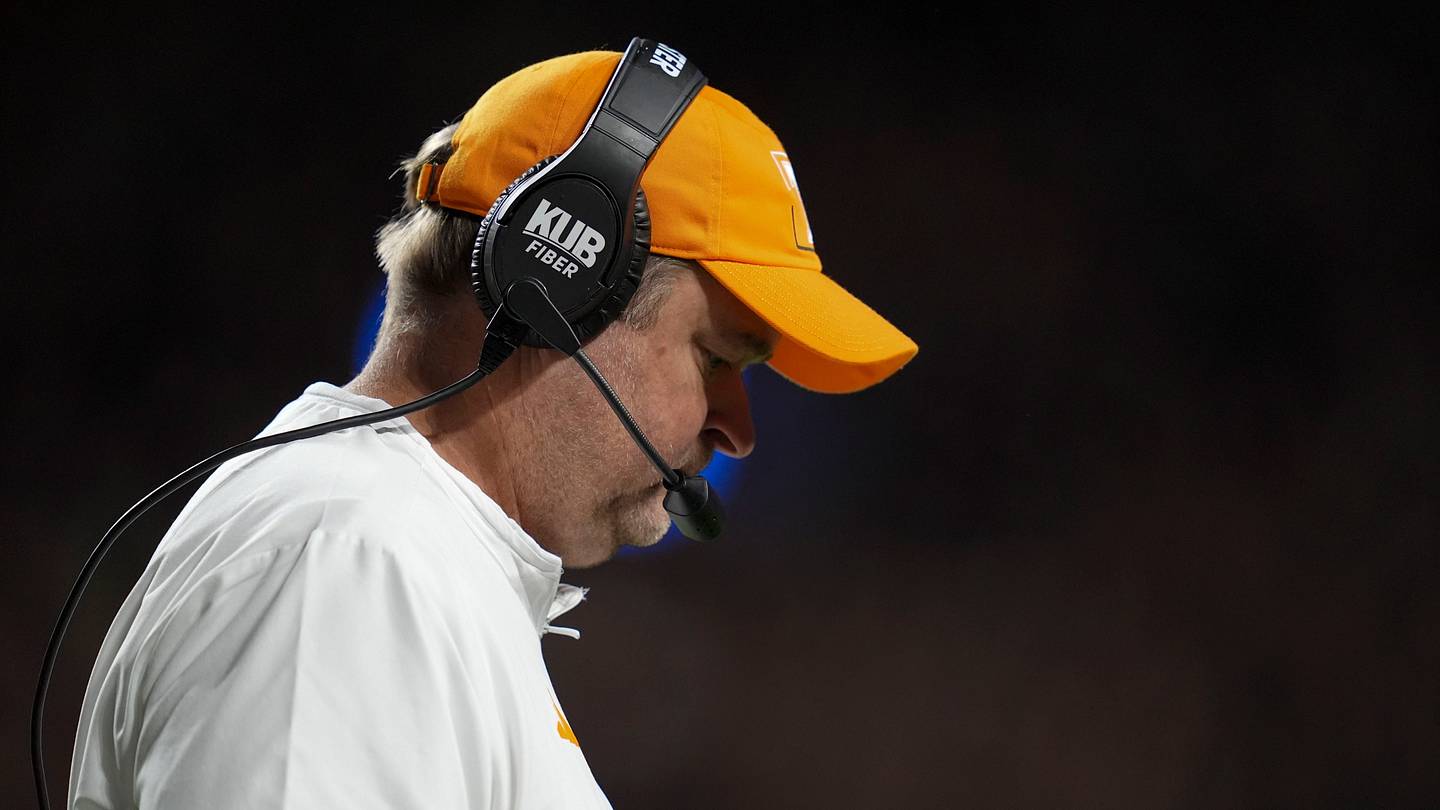
FAA Ground Stop Lifted as Tennessee Vols Prepare for Texas A&M Game
The Tennessee Volunteers football team is back in the air after an FAA-mandated ground stop temporarily halted their...
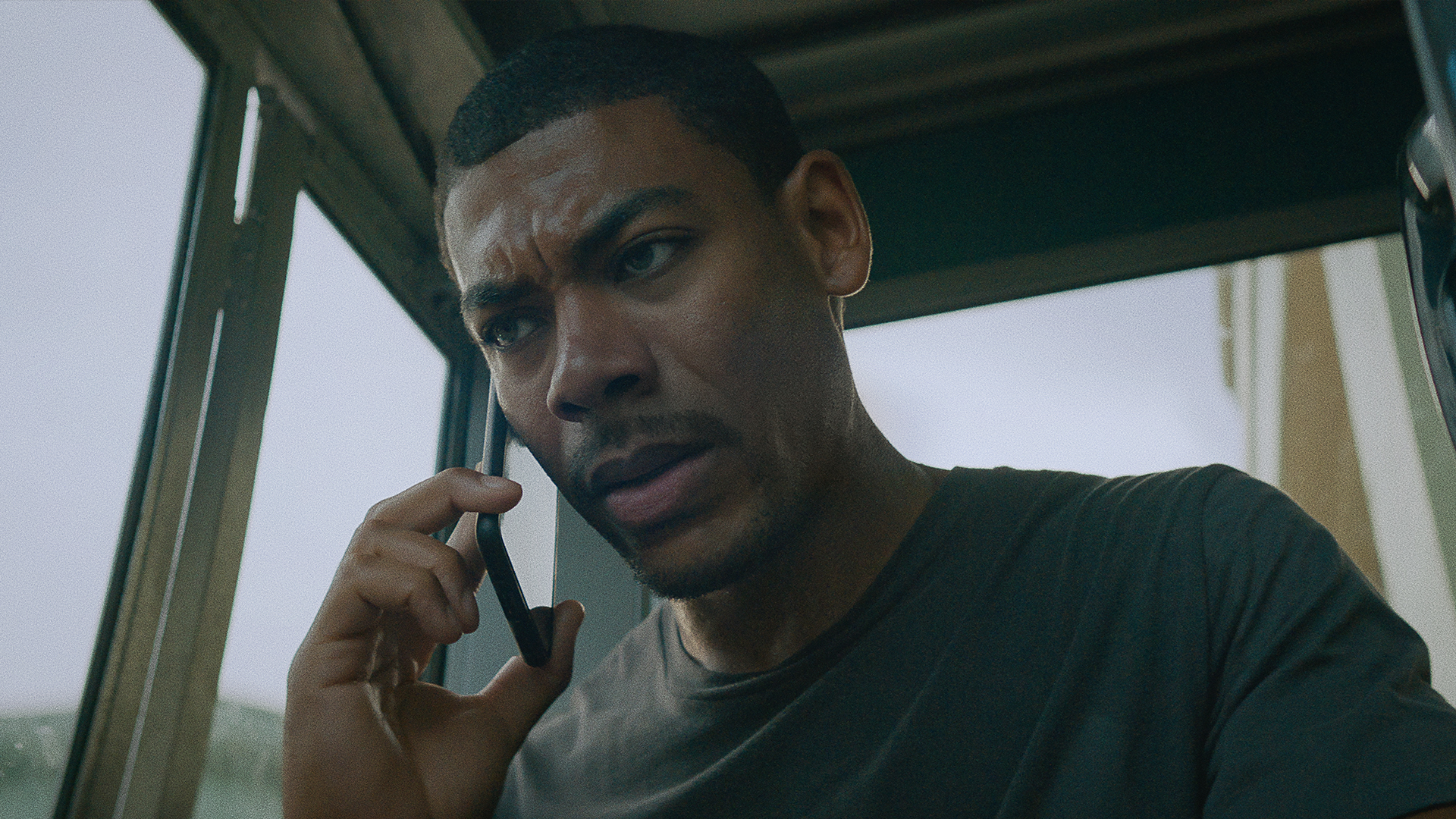
Sisu Director Jalmari Helander to Direct Aaron Pierre in Fairytale in New York
“He’s an exceptional filmmaker with a distinctive ability to deliver visceral, memorable action while never losing sight of...

Gerard O’Keefe Leads Columbia to 77-59 Victory Over Bucknell
Columbia secured a decisive 77-59 victory over Bucknell on Friday, moving the Lions to a 3-1 record for...