Research into Alzheimer’s disease and other dementias is on the cusp of a potential revolution, yet progress risks stalling due to a critical shortage of clinical trial participants, according to a report published by Alzheimer’s Disease International (ADI).
A New Era in Dementia Research Faces a Critical Trial Shortage
The UK-based federation of 105 global Alzheimer’s charities released its 2026 World Alzheimer Report, titled A new era in dementia clinical trials,
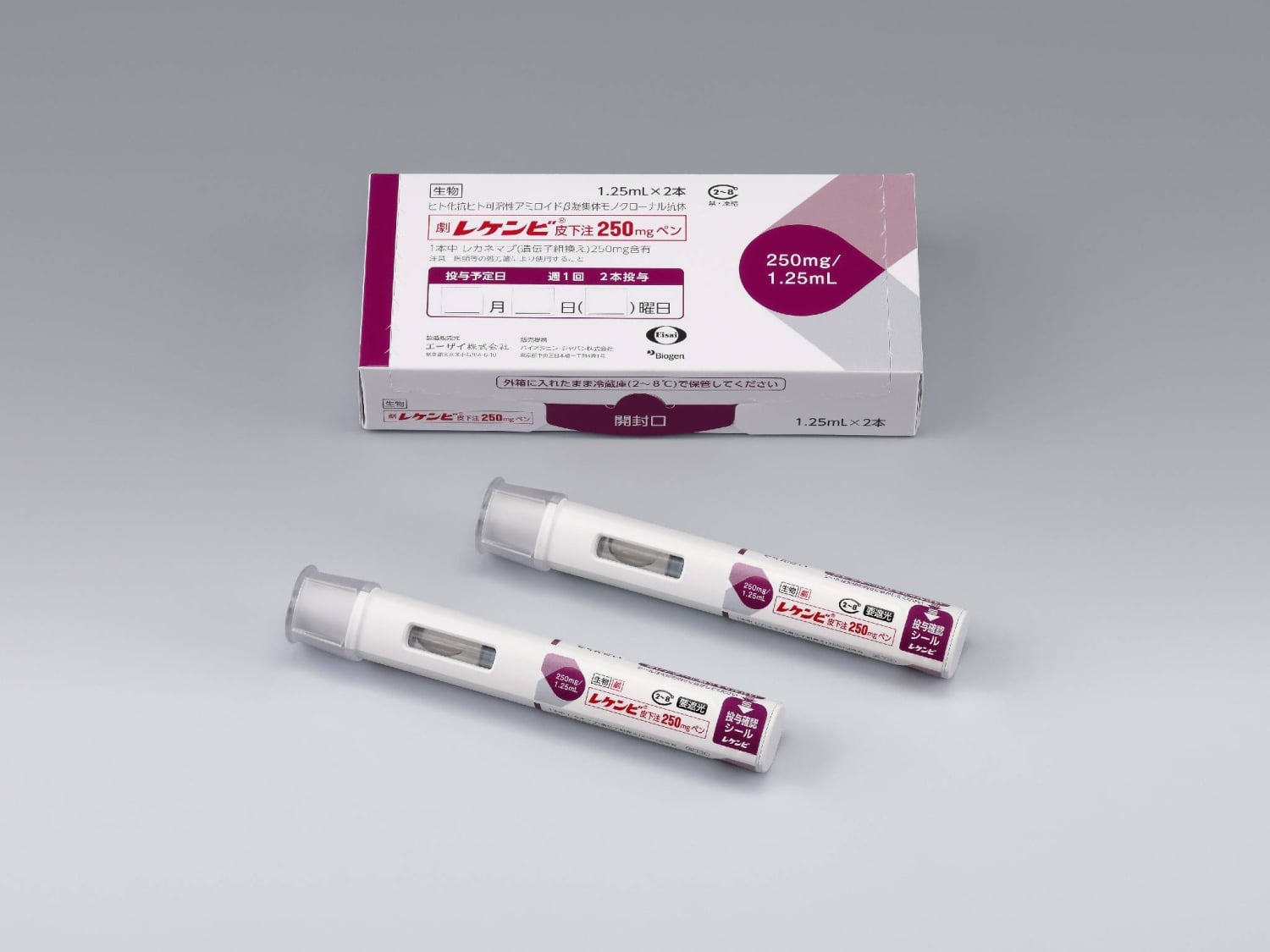
to coincide with World Alzheimer’s Day. The report reveals that 158 potential dementia therapies are currently being evaluated across 192 clinical trials worldwide. While the arrival of disease-modifying drugs like lecanemab and donanemab has brought renewed hope for slowing the neurodegenerative disease, maintaining active research requires an estimated 55,000 participants. Due to stringent screening and eligibility criteria that exclude many willing volunteers, approximately 350,000 people must actually step forward to fulfill global recruitment needs.
Barriers to Participation and Recruitment Challenges
According to ADI acting chief executive Chris Lynch, barriers to clinical trial participation often begin long before a prospective volunteer reaches a research center. Delayed diagnoses, limited access to specialist testing, travel costs, language barriers, and the requirement for a care partner to be present can prevent individuals from being considered.
Recruiting participants in the pre-symptomatic or at-risk stages of Alzheimer’s introduces further complications. Even when individuals are eager to participate, their medical or treatment histories frequently render them ineligible.
Regionally, the crisis manifests differently. In the UK, the Alzheimer’s Society annual conference noted that the situation is particularly dire, with only 551 people enrolled in dementia trials compared with roughly 24,000 enrolled in cancer trials. Globally, clinical trial infrastructure remains unevenly distributed, with nearly half of the world’s 6,763 active Alzheimer’s drug trial sites situated in North America and other high-income countries. Meanwhile, more than 60 million people live with dementia worldwide, a total projected to exceed 139 million by 2050, with over 60 percent currently residing in low- and middle-income countries.
Cultural and systemic hurdles also impede enrollment. Noriyo Washizu, a nurse and member of Alzheimer’s Association Japan, noted that a lack of public understanding regarding drug development and a pervasive paternalistic culture in Japan’s medical industry hinder voluntary trial participation.
Calls for Reform and Broader Accessibility
To combat these hurdles, ADI and participating experts are urging governments and industry leaders to enact sweeping changes. Lynch emphasized that governments must invest in early diagnosis, research infrastructure, and public trial readiness, while medical professionals need greater awareness so they can recommend trials to patients. Furthermore, trial sponsors are urged to build greater diversity into research from the outset and reduce unnecessary demands on participants and their care partners.

Professor Craig Ritchie, chief executive of Scottish Brain Sciences, noted that the growing pipeline of treatments and tests represents a pivotal period for brain health research. Bill Yeates, an Australian board member for ADI who lives with young-onset Alzheimer’s disease, highlighted the personal impact of research: Taking part was about being part of something much bigger than myself and helping create a future where others living with dementia might have access to better treatment options,
he said as reported by Inside Ageing.
ADI advocates for trial design modifications to improve accessibility and diversity, including remote assessments, local testing, mobile research services, and simpler participation requirements.

Severe Mental Illness Linked to 10 to 20 Year Life Expectancy Gap
People with a severe mental illness die 10 to 20 years earlier than the general population, according to...

DR Congo rolls out Ebola vaccine for health workers as death toll rises
Health authorities in the Democratic Republic of the Congo began vaccinating frontline medical workers against Ebola in Bunia...
Congo Begins Bundibugyo Virus Vaccinations for Health Workers in Bunia
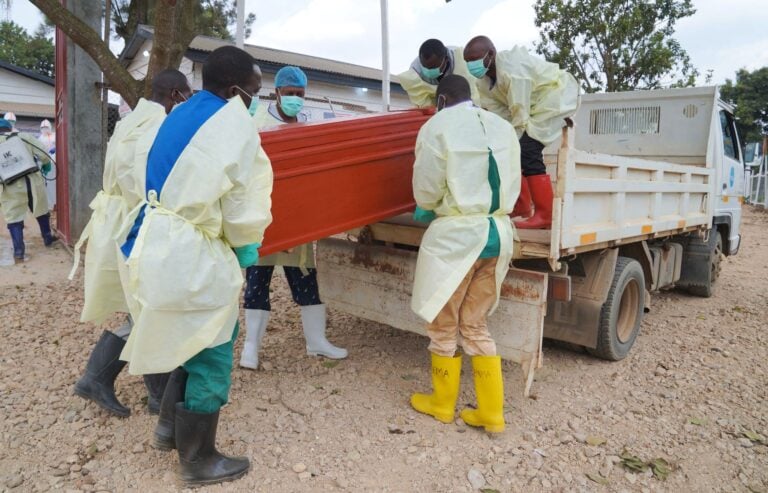
Congo launched Ebola vaccinations in Bunia on Saturday for healthcare staff and frontline workers in the deadliest outbreak...

UK Government Urges Everyone to Take Daily Vitamin D Pill from October 1
People across the UK have been urged by the Government to begin taking a daily vitamin D supplement...