
American Airlines is formally abandoning the core tenets of the network playbook it established immediately following the 2014 US Airways merger, shifting focus back to local passengers after years of prioritizing out-of-town connections.
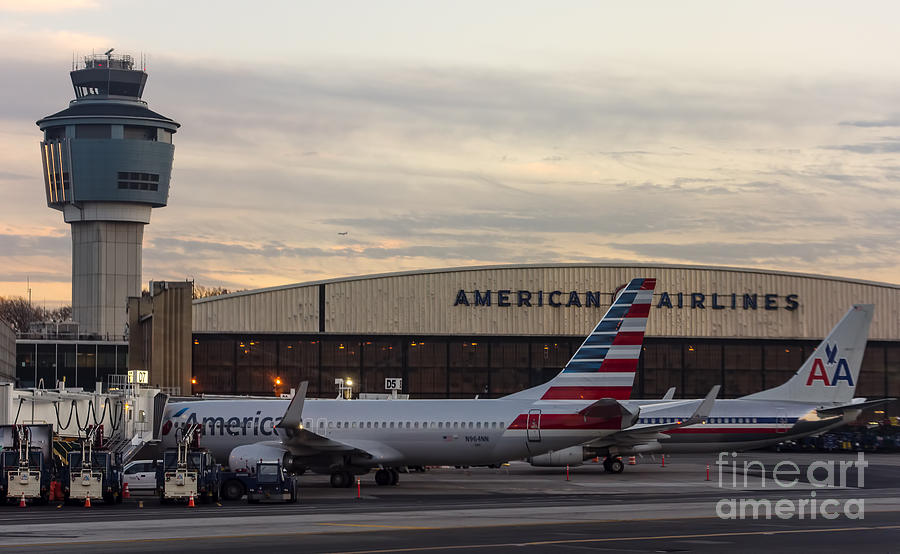
Focusing on local customers has produced “material margin improvement” at LaGuardia Airport, according to recent statements from the carrier reported by View from the Wing.
The pivot marks a rejection of a post-merger strategy that treated New York as a connecting point rather than a local market. Back in 2014, leadership built schedules around inbound business travelers arriving in the morning and leaving in the evening, while cutting direct service to cities like Cleveland, Minneapolis, and Atlanta in favor of smaller regional routes.
That approach left the airline vulnerable, effectively turning it into a spill carrier that captured business only by undercutting competitors on price while ignoring the broader travel needs of actual New Yorkers.
Pieper Outlines Hub Recalibration for Chicago and Los Angeles
Nat Pieper outlined a similar recalibration for other major hubs during an appearance at the Skift Aviation Forum. Pieper said that Chicago’s biggest opportunity lies in capturing corporate traffic, while operations in Los Angeles are being adjusted to better serve local residents.
The structural changes mirror ongoing debates over hub profitability and credit card economics. Doug Parker previously detailed the accounting challenge of allocating loyalty revenue to specific routes, noting that standard metrics often fail to capture how a frequent local schedule drives credit card acquisition and long-term customer spending.
At an employee meeting in January, Pieper reported 20% growth in Chicago loyalty enrollments and a matching 20% increase in card acquisitions over a nine-month period, highlighting the tangible returns of leaning into local demand.

American Secures 25 Gates in Los Angeles Terminal Plans
In Los Angeles, the strategy shift involves sorting out long-term terminal capacity alongside network adjustments. American secured 25 preferential use gates under a fifth lease amendment approved by the City Council on December 10, 2025, which allocates 15 gates in Terminal 4 and 10 in Terminal 5 following its reopening.
Pieper has publicly expressed ambitions for a 30-gate operation ahead of a planned terminal rebuild slated for 2028. However, current documented allocations remain capped at 25, with temporary reliance on Tom Bradley terminal gates set to phase out as construction proceeds.
The airline is also reevaluating its regional partnerships, including its ties with Alaska Airlines. By integrating carriers with strong regional footprints in the Pacific Northwest and Northern California into broader joint ventures, American aims to capture international and domestic traffic that neither airline could secure effectively on its own.
Worth a look
2026 Vermont Moose Hunting Guide: Archery and Regular Season Details
Seven permits will be issued for E1 and eight for E2 in Vermont's archery moose hunt. The state's...

Seahawks Elevate Two Practice Squad Veterans Ahead of Raiders Game – Field Gulls
On Saturday, November 15, 2026, the Seattle Seahawks announced the elevation of cornerback Trevon Diggs and offensive tackle...

Salt Lake City Snow Removal Rules: A Guide for Landlords
Salt Lake City Landlords Face 24-Hour Sidewalk Snow Clearance Mandate The first real snowstorm of the season always...

Alperen Sengun Scores 43 to Lead Houston Rockets Past Utah Jazz 125-118
Alperen Şengün scored 43 points to lead the Houston Rockets past the Utah Jazz 125-118 before 18,055 fans,...