
Wyoming landlords who rely on credit scores to pick tenants are missing the real risks. American West Realty and Management reports that misrepresentation — income that does not verify, references that do not hold up, and identity documents that raise questions — poses a greater problem than a low number, and that a written, consistent screening process is the defense.
Credit score is one of the least interesting things we find when screening rental applications, American West Realty and Management reported. The firm reviews nearly 1,000 applications a year for rentals in Cody, Powell, and surrounding areas, and its experience shows the riskiest files are not always the ones with the lowest scores. They are the ones that fall apart under verification.
Why written criteria must come first
Screening does not start when the application arrives. It starts when the landlord establishes the rules that will be applied to every applicant, every time.
American West Realty and Management said a solid written policy typically addresses minimum income expectations, how credit is reviewed, acceptable documentation for income and identity, rental-history requirements, occupancy limits, treatment of co-signers, how multiple applicants will be evaluated, criminal-history review where legally permitted, and how pets, service animals, and assistance-animal requests are handled.
Written criteria help you make better decisions, train staff, explain denials, and stay consistent, the firm said. Application screening is a means of identifying risk. All risk can be mitigated if you understand the tools available.
Identity verification comes before everything else
If identity cannot be verified, nothing else in the application can be trusted. Basic review should include a government-issued photo ID, matching names across the application and supporting documents, matching addresses, consistent date of birth and Social Security number, and signs that documents have been altered or do not appear genuine.
You do not need to become a forensic examiner, the firm said, but you do need to slow down and make sure the file makes sense before moving forward.

Credit is a context tool, not a shortcut
But a score alone does not tell the full story.
Review debt in relation to income
On the other hand, an elderly person with no debt making only $2,000 a month may be able to afford the same rental. This does not mean you need to underwrite like a mortgage lender.
Verify income, don’t just collect it
One of the most common mistakes landlords make is confusing submitted income documents with verified income. Pay stubs, bank statements, offer letters, and tax returns can be faked online, for free, in just minutes. Income verification should answer four questions: Does the documentation appear authentic? Does it match the application? Is the income current and ongoing? Is there independent support for the claim?
Employment verification must be independent
A proper review should confirm that the employer exists, that the applicant actually works there, whether the position appears current, and whether the compensation generally aligns with what was represented. Verification should be obtained from a legitimate, independently sourced business contact — not just the phone number or email address provided in the application.
Rental history still tells you a lot
Did they give proper notice? Did they follow lease terms? Was the property left in acceptable condition? Were there repeated disturbances or lease violations? Not every reference is reliable, and not every prior housing situation is easy to document, so rental history should be reviewed carefully.
Landlord references require skepticism
A landlord reference is only helpful if it is credible. Some references are incomplete. Some are overly vague. Some turn out not to be actual landlords at all. Screening should not depend on a single phone call.
Criminal-history screening requires careful consistency
Where criminal-history screening is used and legally permitted, landlords should be careful, consistent, and well-advised. Fair Housing issues can also arise if criminal-history policies are overly broad or inconsistently applied. At American West Realty and Management, the key issue is whether the applicant still poses a threat to the property, the neighbors, or staff.

Check eviction records, but verify context
Not every filing ends in removal. Not every record tells the full story. The goal is not to overreact to a single data point. The goal is to consistently evaluate material housing-risk information.
Fraudulent documents are a reality
Application fraud is not theoretical. It happens. Sometimes numbers do not match across documents. Sometimes formatting is inconsistent. Sometimes the employer or pay structure does not make practical sense. The lesson is simple: review supporting documents like a skeptic, not a spectator.
Fake IDs make entire applications suspect
If the person’s identity is uncertain, everything downstream becomes unreliable. Self-managing landlords often assume that if someone answers the phone and sounds professional, employment has been verified. That is not always the case.
Fake landlord references are also common
Sometimes the “landlord” is a friend. Sometimes it is a relative. Sometimes it is someone coached to say the right things.
Multiple applicants need clear rules
Applications with roommates, co-applicants, guarantors, or mixed income sources can create confusion unless the landlord has a clear policy.
Important questions include whether all adult occupants apply, whether all applicants are screened individually, whether one strong applicant can offset one weak applicant, when a guarantor is allowed, how household income is counted, and what happens if one applicant qualifies and the other does not. The best practice is to answer those questions in the written criteria before the first application arrives.
Animals and assistance-animal requests must be handled correctly
This is an area where many landlords accidentally create legal exposure. A pet policy is one thing. A disability-related request for an assistance animal is another. Screening policies should clearly separate pets, service animals, and assistance or emotional-support animal accommodation requests. Staff should know the difference, and the process should be consistent.
American West Realty and Management, which manages rentals in Cody, Powell and surrounding areas, confirmed it still serves Powell with a full-time local property manager after renting out its former office space there. The firm reviews nearly 1,000 applications a year and continues to accept new rentals to manage.
Fair Housing consistency matters
The process must be applied in a way that is consistent with Fair Housing and consumer-reporting laws. Written criteria, applied the same way every time, help ensure consistency.
Worth a look
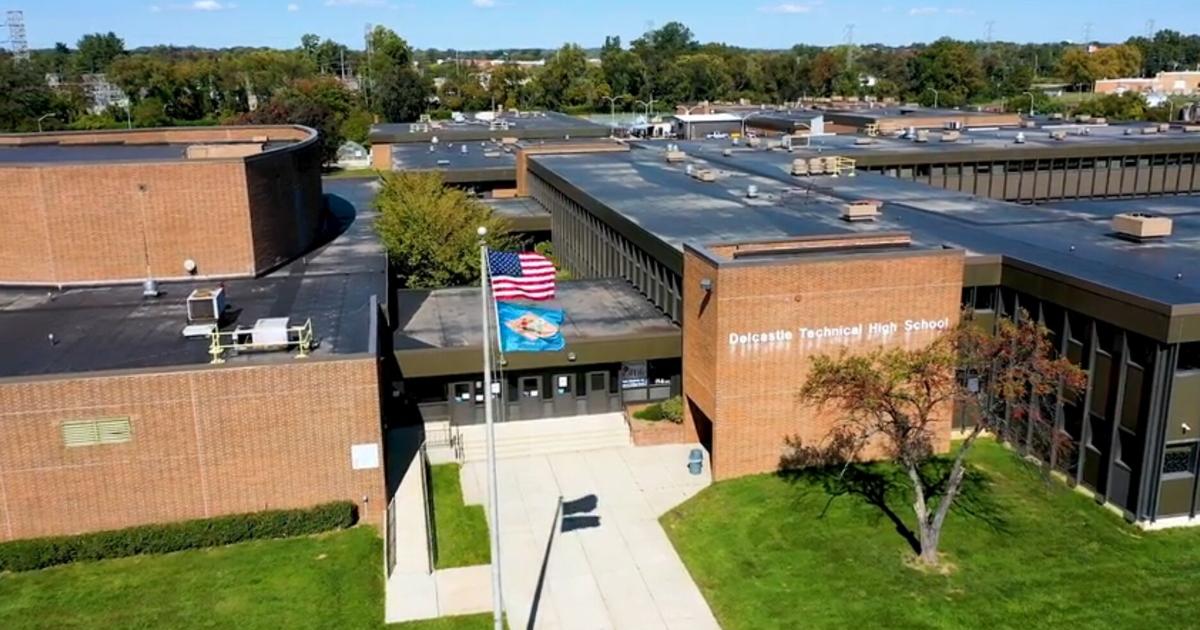
Delaware OKs Delcastle Certificate, Funds Charlton; Brandywine Needs Referendum
Delaware's vocational-technical district is staring down a $315 million bill to replace a high school that opened when...

Connecticut AI Law Removes Automated Tool Defense in Employment Bias
Connecticut employers woke up on October 1 to a new legal reality: the algorithm is no longer an...

One Tax Year Later: What Maryland Business Owners Learned About Capital Gains Surcharge
Maryland’s new capital gains surcharge has already added $40,000 to the state tax bill on a $2 million...

Bismarck Collector Returns Long-Lost Blueprints to Paul Broste Rock Museum in Parshall
"These are the bones of the building," said Wayne Wolff, the Bismarck collector who spent years tracking down...