
Engine Failure Keeps the State Ferry Columbia Docked in Ketchikan
The Alaska Marine Highway System’s mainline vessel, the Columbia, sits docked at Ketchikan’s shipyard following a port main engine failure that disrupted northbound service for roughly 70 passengers, KRBD reported. The breakdown occurred while the vessel was carrying travelers through Southeast’s Inside Passage. Marine engineers boarded the ship to evaluate the damage and determine the scope of necessary repairs, according to a travel advisory detailed by the Ketchikan Daily News.
For passengers stranded mid-trip, the mechanical failure triggered immediate logistical hurdles. AMHS spokesperson Gabe Strong outlined that travelers can either wait out the repairs or make arrangements with the terminal to fly home, picking up their stranded vehicles whenever the ferry finally reaches its destination. Many on board chose to stay with the vessel. Crew members worked to accommodate them by providing free food and even arranging transportation to Ketchikan’s Gateway Recreation Center so a handful of passengers could cast their ballots in the general election.
Engine technicians arrived in Ketchikan to begin the mechanical overhaul. The state ferry system aims to resume northbound service this Sunday, November 8, picking up the schedule already in place for that day, according to updates provided to the Daily News.

A Heavy Schedule on an Aging Hull
At 52 years old, the Columbia stands as one of the oldest and largest vessels in the active fleet, having entered service in 1974. Operating continuous, long-distance routes from Skagway in the north down to Bellingham, Washington, puts an immense amount of wear on the aging ship’s machinery. Strong noted that given how consistently the vessel runs up and down the Inside Passage, occasional breakdowns are to be expected.
The current failure compounds an already difficult stretch for the mainline ferry. Earlier in the week, the Columbia faced a 24-hour delay in Bellingham due to a piston sleeve issue, forcing the crew to skip several scheduled stops along the Southeast route to claw back lost time. Prior to that, its return from a winter layup for annual maintenance at the Ketchikan shipyard was slowed down by trouble with the turbine powering the bow thruster, a critical piece of equipment for ship maneuverability.
“The Columbia… went in June or something, and since then it’s been just going up and down from Skagway in the north to Bellingham in the south. That’s a long run, and it’s just continuously doing it over and over and over again,” Strong said.
Replacing vessels of this scale requires substantial capital investment, with each new ferry carrying a price tag in the hundreds of millions of dollars. While long-term plans point toward fleet replacement to prevent recurring mechanical failures, passengers and state planners alike must continue managing the immediate realities of running a half-century-old ship on a punishing maritime schedule.

Ventura Enterprises Brings Small Commercial Condos to Centennial
In the industrial corridors near Centennial Airport, a 7-acre parcel at 6507 S. Racine Circle is preparing for...
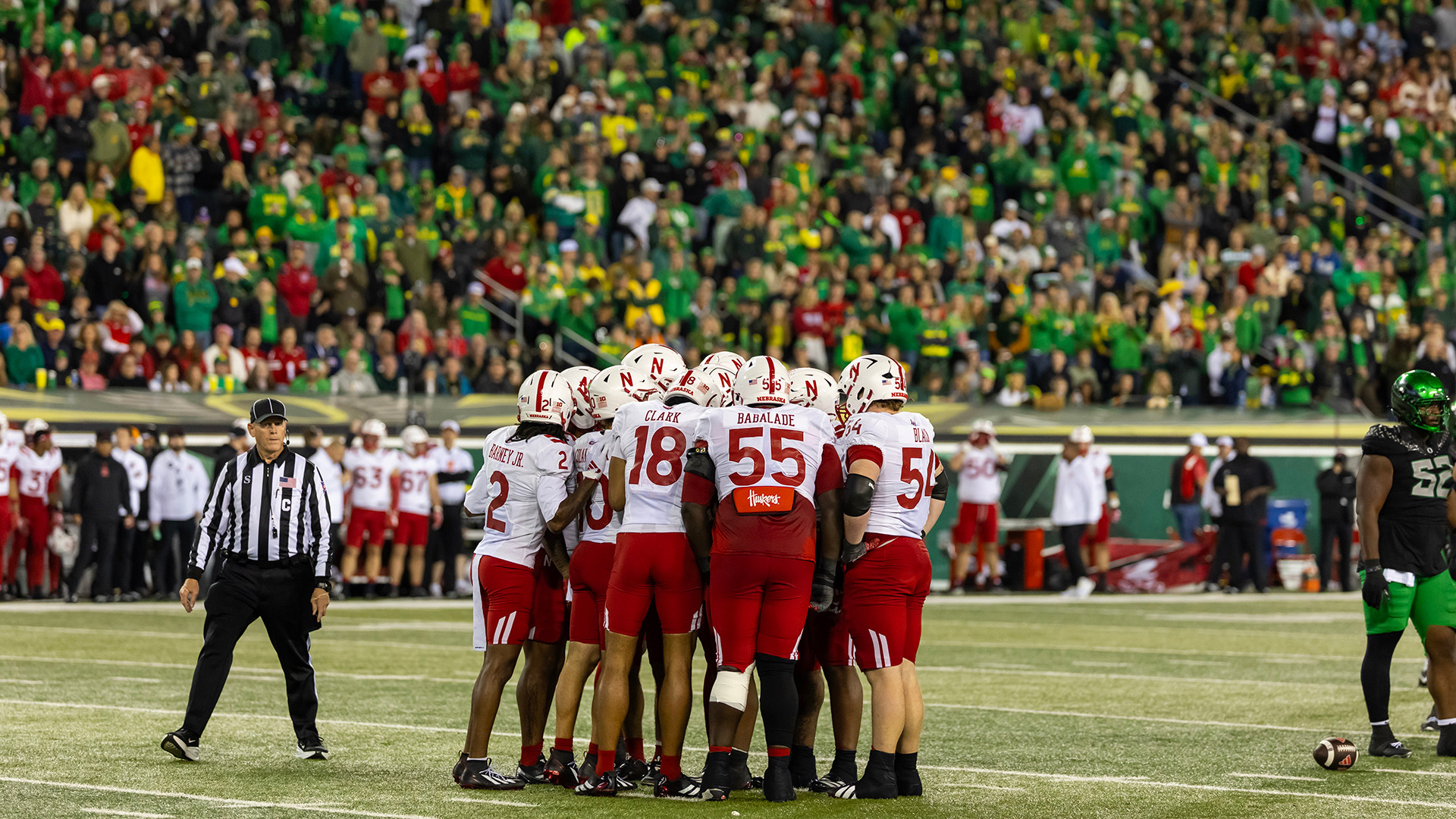
Nebraska Faces Illinois in Friday Night Big Ten Clash at Champaign
Nebraska enters the final month of its regular season facing a familiar challenge under the lights. This Friday,...

Dr. Ariana Greenwood Specializes in Gastroenterology and Hepatology
Dr. Ariana Greenwood provides specialized gastroenterology and hepatology services in Louisville Dr. Ariana Greenwood, MD, FACP, is providing...

Attorney Paul Aloise says Mike Norvell buyout is a guaranteed contract
The Real Cost of FSU’s Coaching Transition “It’s a guaranteed contract,” said Paul Aloise, a former Florida State...