
The Real Cost of FSU’s Coaching Transition
“It’s a guaranteed contract,” said Paul Aloise, a former Florida State football player and current sports attorney, regarding the nearly $50 million buyout triggered by the firing of head coach Mike Norvell this past Sunday. The term “buyout,” while common in sports headlines, is a misnomer in the current era of college athletics. These agreements are ironclad financial obligations, meaning the university was essentially on the hook for this capital regardless of whether Norvell stood on the sidelines or watched from home.

According to WCTV, the financial scale of this transition extends far beyond the immediate payout to the outgoing coach. Aloise, who served on the 2013 FSU National Championship team and later worked as an NFL agent, estimates that the university could face a total expenditure reaching $100 million. This figure accounts for the buyout of Norvell’s staff, the hiring of a new athletic director, and the costs associated with securing a replacement head coach.
For the average fan or student, these numbers can feel staggering, yet they represent the current market reality for high-level programs. Aloise describes this environment as a version of “keeping up with the Joneses.” In the modern landscape of collegiate sports, coaching contracts are typically negotiated when the coach holds maximum leverage, forcing universities to commit to massive, guaranteed sums to ensure they remain competitive in the eyes of their fan base and boosters.
The economic stakes are high, but they are often shielded by the immediate desire for on-field success. Aloise notes that if you poll the student body, alumni, and donors, the overwhelming priority is winning. When the team performs, the tolerance for these massive financial outlays remains high. However, the pressure to produce results on the field is what ultimately drives these multi-million dollar contracts, creating a cycle where one high-stakes deal necessitates the next.
Looking ahead, the model may be forced to shift. As the industry grapples with the sustainability of these massive payouts, some suggest a change in how compensation is structured. Aloise, who currently negotiates NIL (Name, Image, and Likeness) deals, proposes a potential pivot for universities like Florida State:
I do think that a new way for Florida State and other universities to potentially pitch head coaches and not fall victim to these same massive buyouts, is to potentially offer lower annual salaries to coaches and, or, maybe a 50% guaranteed contract with the remaining monies being set aside and being used to properly load and then reload that roster each and every year.
This approach would prioritize roster depth—recruiting from both high schools and the transfer portal—over the ballooning salary guarantees that have become a hallmark of the current era. It represents a fundamental disagreement with the status quo, where the coach’s personal contract often takes precedence over the liquid capital needed to build a competitive team.
For now, Florida State is navigating the immediate aftermath of a significant leadership change. The question remains whether this $100 million price tag is the cost of doing business, or if it marks the high-water mark for a system that will eventually have to reconcile its financial commitments with the reality of roster management. As the search for a new direction begins, the pressure to turn these investments into wins remains the primary driver of the institution’s fiscal decisions.
Keep reading

South Charleston Public Library Offers Passport Acceptance Services
South Charleston Public Library Adds Official Passport Services The South Charleston Public Library has officially integrated passport processing...

Product Designer (Principal Associate) at Capital One Job Opening
Capital One Opens Principal Associate Product Designer Role in Richmond Capital One has officially posted a job opening...
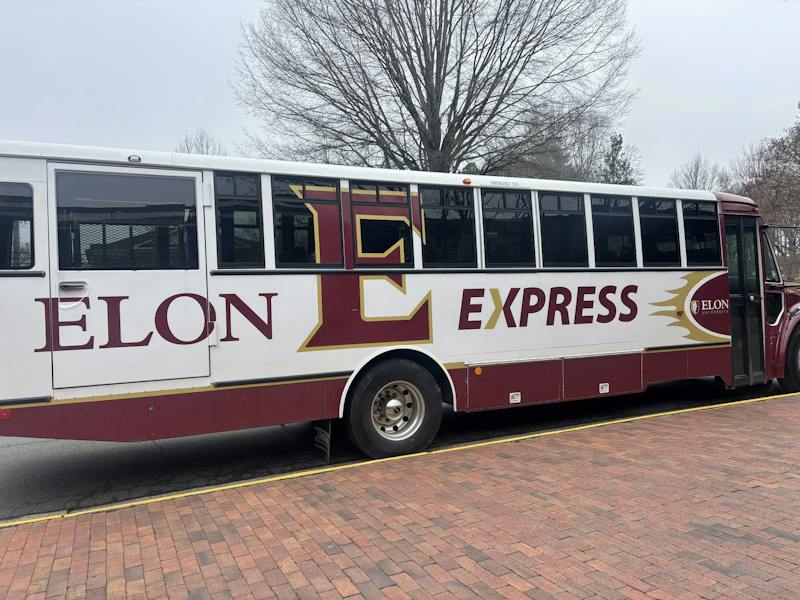
Elon University Student Voting Guide: ID Requirements, Polling Locations, and Shuttle Info
Election Day Logistics and Requirements for North Carolina Voters As North Carolina voters head to the polls this...
Utah Election Guide: Congressional Races, Council Seats, and Amendment B
Utah voters heading to the polls today for the 2026 midterm elections must cast their ballots by 8:00...