“Municipalities must convene their councils within 14 days of publication [of results], and no later than 27 November,” Cooperative Governance and Traditional Affairs Minister Velenkosini Hlabisa said Wednesday, setting the hard deadline that now governs South Africa’s metropolitan power struggles.
Cape Town has already cleared the bar. Geordin Hill-Lewis was re-elected mayor Thursday morning, giving the DA an early win in the only metro it controls outright. Elsewhere, the clock is ticking louder. Tshwane postponed its first sitting at the request of the DA and other parties, pushing the meeting to next Thursday. Johannesburg held a mock council on Tuesday to rehearse procedures, with the real inaugural sitting still ahead.
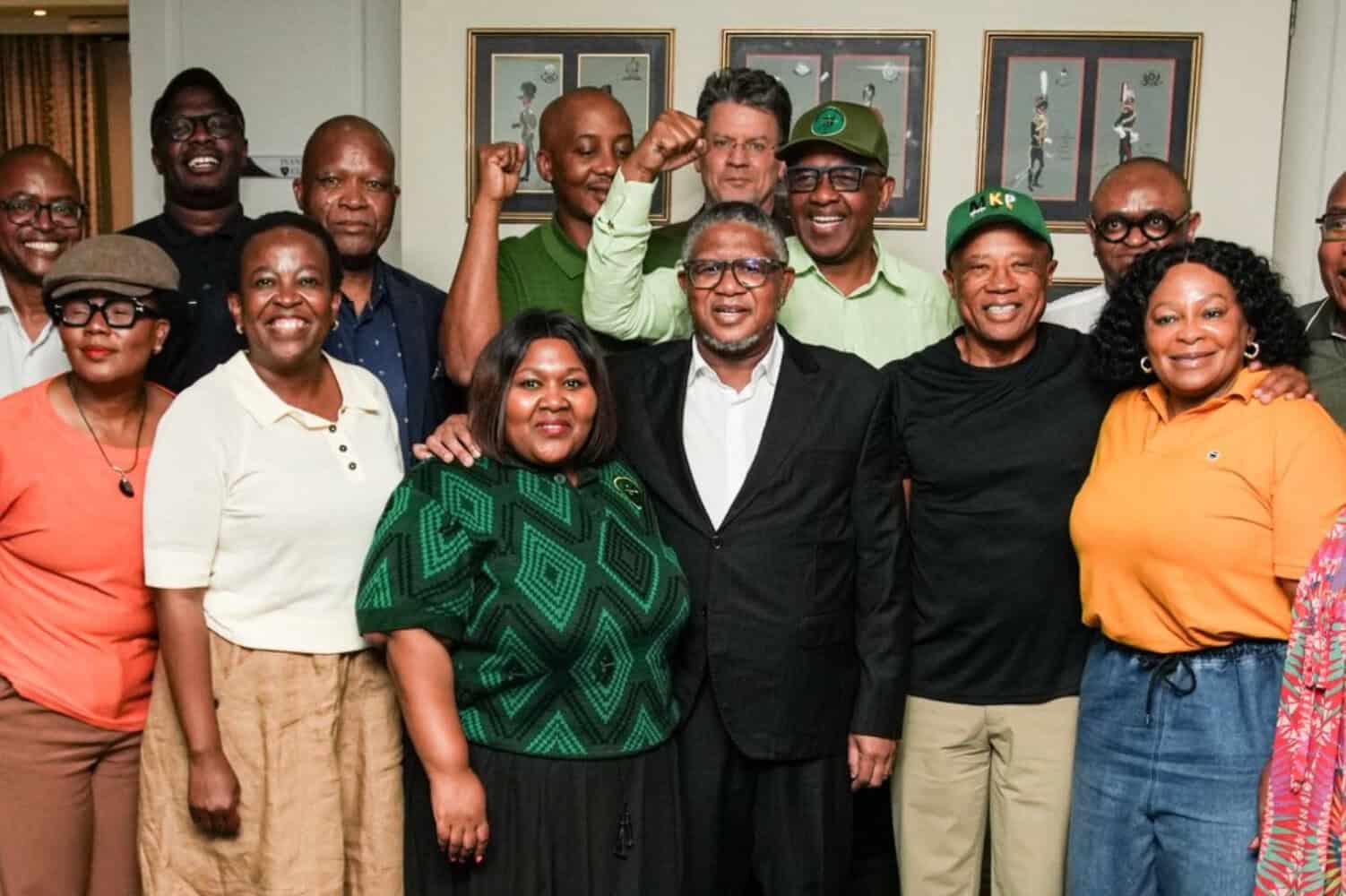
The arithmetic in Gauteng’s three metros has turned on a prospective bloc of the ANC, ActionSA, the EFF and uMkhonto weSizwe (MK) party. If that alliance holds, it would command an unassailable majority across Johannesburg, Tshwane and Ekurhuleni.
The Citizen reported that the minister urged parties to follow the 31-page Guidelines for Stable Coalitions in Local Government circulated on 11 November, which instructs councils to elect a speaker at the first sitting and observe the separate statutory rules for constituting the executive.

In eThekwini, an ANC–MK partnership alone breaches the 112-seat threshold needed for control of Durban and surrounds. Mangaung’s 101-seat council sees the anti-DA bloc at 48 seats, four short of a majority, but the Patriotic Alliance’s four seats would push the coalition over the line. Buffalo City requires 51 seats; the ANC’s 42, plus the EFF’s seven, ActionSA’s two and MK’s one, reach the mark exactly.
Nelson Mandela Bay is the outlier. The DA holds 53 of the 61 seats needed for a majority, but its only clear potential allies — the Freedom Front Plus and the ACDP — contribute just four seats between them.
The ANC, EFF, ActionSA and MK bloc sits at 43, with the PA and SACP adding eight more. The UDM’s three seats and six single-seat parties will decide a council that remains fragile whichever way it turns.
eThekwini, Buffalo City and Nelson Mandela Bay have confirmed sittings for Tuesday. Mangaung will sit on Monday. Seven municipalities are threatening to push the 27 November limit, Hlabisa said, while district municipalities must wait until all constituent local councils have elected their representatives before their own 14-day window starts.
“At the request of the DA and other parties, the council meeting that was scheduled for today was moved to next Thursday,” mayoral hopeful Cilliers Brink said of the Tshwane delay.
Velenkosini Hlabisa, born in 1965 in the town of Hlabisa in northern KwaZulu-Natal, spent two decades as a teacher and school principal before entering public office full-time.
In 2019 he became Leader of the Opposition in the KwaZulu-Natal Legislature after the IFP regained its position as the province’s second-largest party. He succeeded Mangosuthu Buthelezi as IFP president in August 2019, elected unopposed at the party’s 35th National General Conference, and entered the National Assembly in October 2023.
The Guidelines for Stable Coalitions in Local Government document, issued by the Department of Cooperative Governance, frames the current negotiations as a test of whether formalized rules can tame the horse-trading that has paralyzed metros in past terms.

Metformin Cuts Cardiac Dysfunction Risk 31% With VEGF Inhibitors, AHA Study Finds
Metformin cut the risk of cardiac dysfunction by 31 percent in patients receiving vascular endothelial growth factor inhibitors,...

Zardari Presses Envoy for Action on Maldives MoUs; $200M Trade Target Set
Pakistan is pushing to turn twenty memoranda of understanding signed during Mohamed Muizzu’s October visit into a $200...

NASA Features Horsehead and Flame Nebulas in New APOD Image
NASA's Astronomy Picture of the Day featured the Horsehead and Flame nebulas on Thursday, captured from a remote...

Iran FM Araghchi Calls Emergency OIC Meeting on Gaza Blockade
Iranian Foreign Minister Seyed Abbas Araghchi called Thursday for an emergency meeting of the Organization of Islamic Cooperation's...