
Anchorage traffic signals rely on a mix of remote programming and sensor technology to manage vehicle flow across the municipality.
The Traffic Engineering department manages 282 signals throughout Anchorage and Eagle River, according to alaskaexpres.com. While the state and city split road maintenance duties, the municipality handles all light operations.
“Our engineers can talk to all those controllers at each traffic signal and update all the timing plans remotely,” Zakary Hartman, the traffic signals manager at the Municipality of Anchorage, told Anchorage Daily News.
Managing the green wave
Engineers aim to complete a full retiming of every signal once every three years. Most signals in the city are coordinated to create a “green wave,” which moves groups of vehicles through multiple intersections without stopping.
On a typical weekday, about 75% of signals are coordinated with their neighbors, Anchorage Daily News reported. These coordinated corridors are most common in the downtown area.
Signals that do not participate in a green wave use preset options or respond to real-time traffic. Some utilize radar on signal poles, while others rely on underground loops to detect vehicles.
| Signal Type | Operating Method |
| :— | :— |
| Coordinated | Linked to neighboring signals for “green waves” |
| Fully Actuated | Responds to radar or underground loops |
Engineers balance safety and efficiency using traffic volume data
The department’s staff includes three engineers, six signal electricians, two traffic signal leadmen, a foreman, and a utility assistant. Each engineer manages between 90 and 100 signals across three distinct areas, Anchorage Daily News reported.
Decision-making starts with traffic volume. Engineers use software to process data regarding lane geometry and turn directions to find a balance between safety and efficiency.
“They don’t get to create more green time, so it’s all about balancing and making things work safely, efficiently, based on the volume,” Hartman told Anchorage Daily News.
The city also prioritizes roundabouts over signals due to safety benefits. A 2024 factsheet from the Federal Highway Administration indicates that roundabouts can decrease serious and fatal intersection injuries by as much as 82%.
While data drives most changes, engineers also consider feedback from local commuters.
“Drivers get super familiar with their route to work,” Hartman said. “They might know just as much about how that signal is timed after years and years as some of our engineers do.”
Worth a look
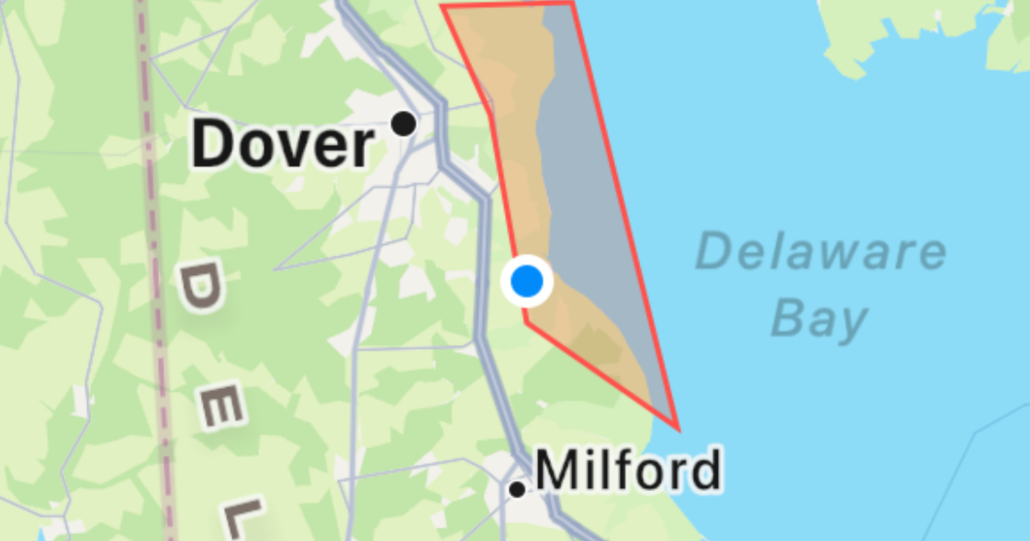
Kent County Issues Emergency Alert for Bay Residents to Seek Evacuation Help by 1 p.m
Kent County’s Department of Public Safety has issued an emergency alert for residents along the Delaware Bay shoreline,...

Pregnant Inmate Escapes Corrections Vehicle During Whataburger Stop
Rebecca Taylor, 26, fled around 11:35 a.m. from a transport stopped at a Whataburger. Taylor was not restrained...

TikTok Star Madison Humphrey Rushed to ER After ‘Dancing With the Stars’ Finale’
TikTok star Madison Humphrey, 27, was rushed to the emergency room on Wednesday, November 25. Humphrey posted about...
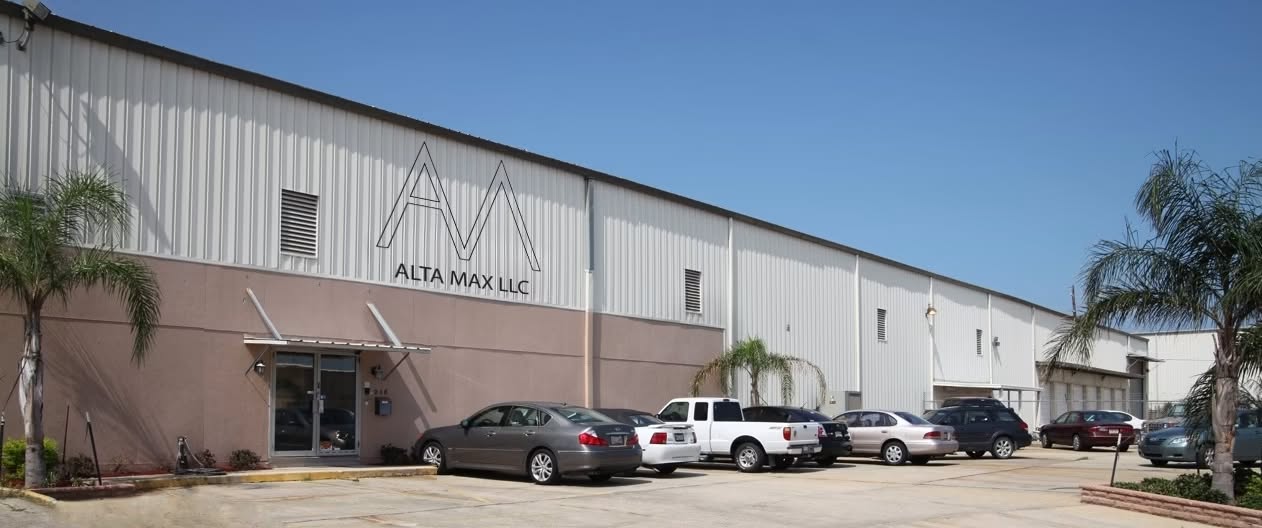
Alta Max Expands New Orleans Defense Facility
Investment exceeds $860,000 at the 44,000-square-foot Harbor Circle facility. Seven new direct jobs planned; 37 existing positions retained....