In a Nov. 9, 2025 essay for Bangor Daily News, a longtime angler argues that western Maine’s smallest, unnamed streams offer a deeper wilderness experience than the region’s famed trophy waters.
Forty years on the Rangeley Lakes Region
The author and his wife have owned a camp in the Rangeley Lakes Region for more than 40 years, he writes in Bangor Daily News.
Logging roads have replaced some river routes that once carried timber to mills across the New Hampshire border, and grand hotels that catered to wealthy sports are gone, but the rivers, streams and ponds around the cabin remain much as hunters Johnny Danforth and Fred Baker found them when they wintered above Parmachenee Lake in 1876.
Brook trout have inhabited these waters since glaciers receded more than 10,000 years ago, and a 16‑inch native fish is not uncommon, the essay states. Landlocked salmon, introduced in the late 1800s, are now as wild as the moose that visit the shoreline.
Literary influences shaped the author's approach
As a young man, the author read Hemingway and Steinbeck, Harrison and McGuane, he writes in the essay. The fly-fishing raconteur Richard Brautigan brought tears to his eyes, while the environmentalist Edward Abbey had him raising his fists in outrage, the piece states.
He also took to heart the words of poet Gary Snyder from “Practice of the Wild,” which urge learning the terrain and telling a good story upon returning home.

The author says he has tried to follow Snyder’s advice for decades, attempting to tell good stories after trips to the Rangeley Lakes Region. These literary touchstones framed his evolution from a pursuit of trophy fish toward a quieter practice on small streams.
Angling methods shifted from heavy gear to minimal kit
Early on, the author pursued larger fish with large streamers and weighted nymphs, wearing a vest packed with more fly boxes than Samuel Carter had little liver pills, he writes.
His pack held reels spooled with lines sinking at different rates, plus extra clothing for rapidly changing weather, the essay notes. He fished from first light until after dark in rain, sleet, snow squalls, and blistering sun, buffeted by wind and harassed by insects.
From heavy gear to a pocket tin
Early on, the author pursued larger fish with heavy streamers, weighted nymphs, a vest packed with fly boxes and reels spooled with lines that sank at different rates, he writes.
Spring thaw — often not until mid‑May — brings smelt runs that draw trout and salmon into big rivers such as the Magalloway, Kennebago, Cupsuptic and Rapid, providing a second chance at fish measured in pounds by late September, according to the piece.
As the years passed, he turned to the tannin‑stained brooks that slip across the Canadian border, some unnamed, where trout fit in the palm of a hand, the essay says. He now carries a single metal tin that once held cough drops, containing a handful of pheasant‑tail dry flies, parachute patterns, elk hair caddis, black ants and soft‑hackled hare’s ear wet flies, he writes.
His 8‑foot space‑age rod stays at the cabin; instead he fishes a secondhand 6‑foot‑6‑inch cane rod the color of maple syrup, once graded B, with a cork base stained by its prior owner, the essay notes.
“Only by going alone in silence, without baggage, can one truly get into the heart of the wilderness,” wrote John Muir, as quoted in the essay.
“… these jewels … these bright fluviatile flowers, made beautiful, the Lord only knows why, to swim there,” wrote Henry David Thoreau, as quoted in the essay.
Seated by the wood stove on a November evening with hail pinging the windows, the author retrieves those moments “like a Basho haiku, remain frozen in time,” he writes in Bangor Daily News.
Worth a look

Bookkeeper Melba Turner, 64, Accused of Forging $15K Checks to Her Company
Melba Turner, 64, turned herself in at Bridgeport Police Headquarters on Nov. 19. Police allege she forged a...
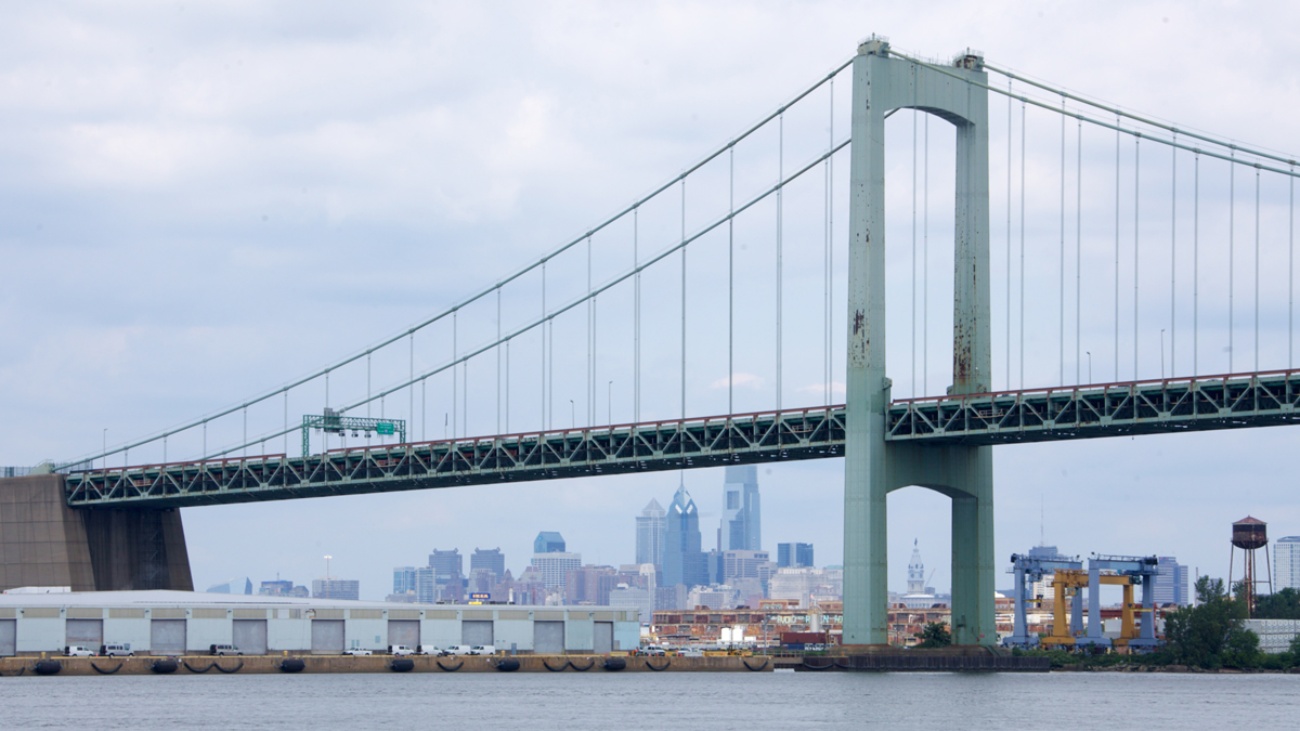
DRPA Approves $802.7M Five-Year Capital Plan for PATCO, Bridges
The Delaware River Port Authority board approved an $802.7 million, five-year capital budget Wednesday, clearing 181 projects across...

Mavericks Beat Jazz 116-114; Mykhailiuk Scores Career-High 39 Points
Cooper Flagg hit two free throws with 3.6 seconds left and the Dallas Mavericks held off a frantic...

Mississippi State Women’s Basketball Defeats Southern Miss 90-73 for 10th Straight Win
Mississippi State women's basketball defeated Southern Miss 90-73 on Sunday at Reed Green Coliseum, extending the Bulldogs' winning...