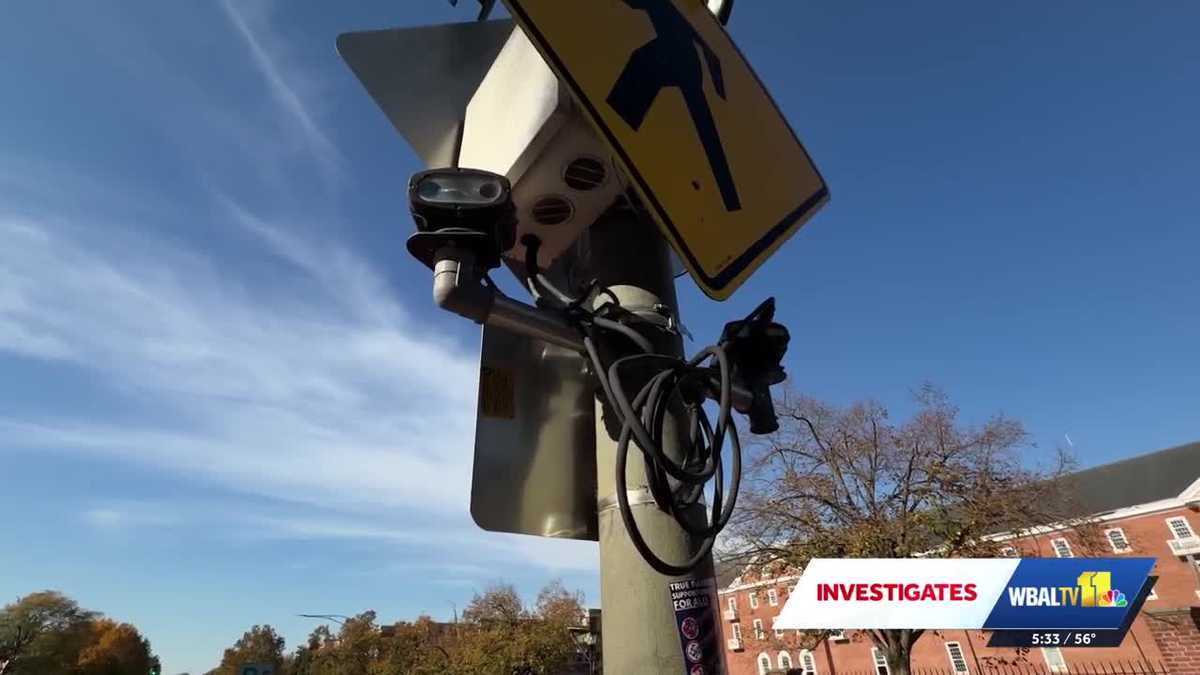
Anne Arundel County roads now feature 189 automated license plate reader cameras across 91 locations, giving the jurisdiction one of the highest concentrations of the technology in Maryland.
As police departments lean on the hardware to log millions of scans, privacy advocates warn that the expanding surveillance apparatus creates serious risks for abuse. The debate pits fast-acting investigative tools against mounting evidence of officers tracking romantic partners.
The technology has become ubiquitous nationwide, with more than 100,000 automated license plate reader cameras watching roadways. Flock Safety supplies the hardware used most widely by law enforcement agencies. During a simulated 20-minute commute from Crofton to Annapolis, an investigative vehicle was photographed by at least a half dozen cameras on the outbound trip alone.
Beyond capturing license plate numbers, the devices log timestamps and physical vehicle details. “While it’s capturing the license plate information, it’s also capturing if you have a roof rack, if you have damage to your car, if you have bumper stickers,” said Bryan Deehring, a cybersecurity professor at Anne Arundel Community College.
Stalking Allegations Surface Nationwide
While departments praise the system’s efficiency, critics point to documented misconduct. The Institute for Justice, a Virginia public interest law firm, has tracked reported police misuse of the technology across the country.
Investigators at the firm found more than 140 reports involving non-law-enforcement use, including at least 85 instances where officers allegedly used the technology for stalking.
“They can just type in a license plate number and up will pop a list of the camera locations that this number has passed by and they can use that information, depending on how many cameras there are in a city to say, ‘OK, it looks like they’re going to the house of this other person who I suspect they had a thing for a long time,’” said Christopher Ingraham, an investigative reporter for The Institute for Justice.
The first such criminal case emerged in 2021 when a western Pennsylvania police officer pleaded guilty to stalking after searching automatic license plate reading systems more than 300 times to track his estranged wife and mother-in-law. Similar discipline has hit multiple departments simultaneously, with Ingraham telling WBAL that some agencies have seen up to eight officers disciplined or fired at once for unauthorized database lookups.
Anne Arundel County Police Manage Automated License Plate Reader Data
Anne Arundel County police have operated automated license plate readers since 2011, maintaining 216 stationary devices last year according to state records. Captain John Poole of the Anne Arundel County Police Department defended the program, noting that data is stored on county servers for 30 days and handled by just 12 of the department’s more than 700 officers.
“We have placed robust safeguards within our own agency, within our own policies that are all forward-facing public information, to ensure that misuse doesn’t occur,” Poole said. He said that the department audited 277 searches this year and found every query included a valid case number.
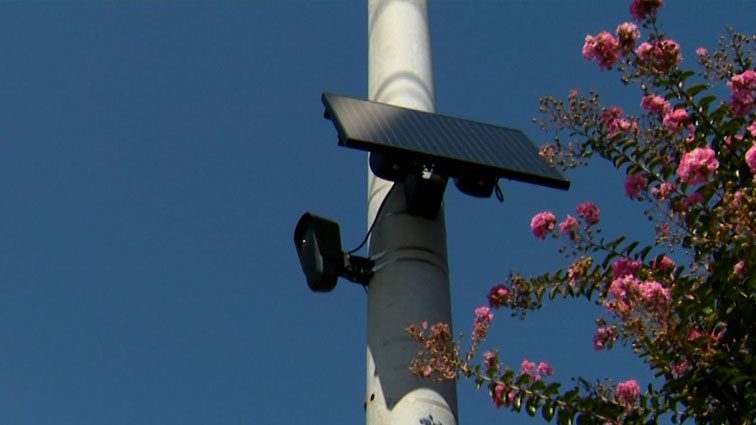
Poole credited the county’s year-to-year agreement with Flock to the company’s solar-powered infrastructure, which avoids the need for costly county fiber optic installations. He cited a recent success where the technology helped locate a homicide suspect within hours of a crime.
Yet legal challenges persist. The Institute for Justice has argued in federal lawsuits in California and Virginia that tracking citizens using camera data without a warrant violates the Fourth Amendment. As legal battles continue, communities are left questioning the balance between rapid police investigations and personal privacy.
Keep reading
Nazi Symbols Spray-Painted on Oklahoma City Homes, Police Investigate
Residents in a northern Oklahoma City neighborhood woke up Tuesday to find Nazi symbols spray-painted on garage doors...

NY Ends Free Gas Hookups Dec. 19, 2026; Rules Likely Month Late
Governor Kathy Hochul signed legislation to end free gas system hookups for residential buildings in New York, setting...
Columbus AFB Living: Packed December Calendar of Holiday Events and Activities
Holiday cheer and winter activities fill the calendar for December at Columbus Air Force Base, according to Columbus...
New Mexico Ranks 14th Nationally for Corporate Tax Competitiveness in 2027
New Mexico has secured the 14th spot in the 2027 national rankings for corporate tax competitiveness, according to...