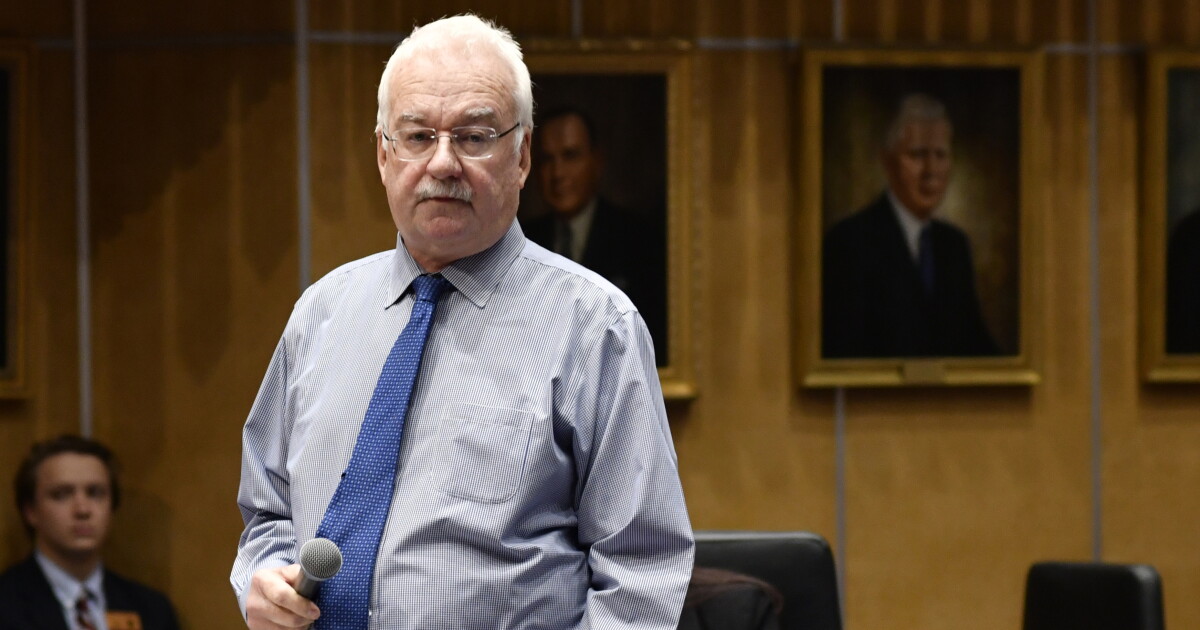
Arizona Republican lawmakers are adjusting to new political realities after voters dramatically reduced their ranks in the Senate during this year’s election.
The GOP caucus, which has held the majority for all but two years since 1966, saw its numbers drop from 17 seats to just 10 in the 30-member chamber.
John Kavanagh, a Fountain Hills Republican who was selected by the remaining senators to serve as minority leader, characterized the outcome as a broader national trend rather than a specific rejection of the party’s long-standing policy platform.
“This debacle was pretty much out of our control,” Kavanagh told Capitol Media Services on Monday. “This is dissatisfaction at the federal level, which went nationwide and wiped out almost everybody with an R after their name.”
The Strategy for a Minority Caucus
With the legislative majority now in Democratic hands, the Republican caucus faces the reality of being largely unable to block or pass policy on their own terms. Kavanagh acknowledged that the party’s primary influence will be limited to nonpartisan bills where vote counts remain tight and proponents might require select Republican support to reach the necessary 16-vote threshold.

To manage this period of political powerlessness, the Senate Republicans are prioritizing a shift in their communication strategy. Kavanagh has created a new position, deputy assistant minority leader for communications, and appointed Sen. Mark Finchem of Prescott to the role. “Finchem was interested in messaging to voters,” Kavanagh said. “And I wanted to give him an opportunity to devote himself to that.”
Reframing the Policy Debate
Despite the electoral losses, Kavanagh maintains that the party must stay the course on its core tenets: affordability, low taxes, reduced government regulation, and border enforcement. He argues that the recent election was influenced by external economic factors, such as gas prices and international conflict, rather than a departure from Republican ideology.
“This was just anti-R because of gas prices and the war in Iran and everything else,” he said. “And it is my hope that those conditions will not be present in two years.”
🚨FOR IMMEDIATE RELEASE: Arizona Senate Republicans Elect Leadership Team for 58th Legislature Full press release: https://t.co/lhAvv9hGGy@JohnKavanagh_AZ @TimDunn_AZ @Leo4AzSenate @RealMarkFinchem pic.twitter.com/vILte2VTIt
The party’s focus on border security remains a point of contention. While Republican lawmakers have previously pushed for hardline measures, such as requiring hospitals to verify immigration status or restricting access to financial services for those without legal status, these efforts have often faced vetoes from Democratic Governor Katie Hobbs.
Republicans previously bypassed the governor by taking proposals directly to the ballot, including a measure approved two years ago allowing state and local police to arrest individuals crossing the border outside of designated ports of entry.
The Human Stakes of Enforcement
The intensity of these enforcement policies has sparked public controversy, marked by reports of armed and masked immigration agents dragging people out of their homes and their cars. Even President Donald Trump suggested in an interview with 60 Minutes that some of the deportation policies previously implemented might have been “too tough,” indicating a potential openness to working with the new Democratic majority in Congress on more moderate immigration agreements.

Kavanagh remains firm on the necessity of deportation but acknowledges that the approach requires nuance. “There are a range of enforcement levels,” he said. “I think Republicans definitely want people with criminal records or mentally ill people out, people of questionable loyalties to the United States out.”
He suggested that while he would be open to granting non-citizen status to individuals whose families have resided in the country for many years, he remains opposed to broad legalization for those who entered the country illegally, fearing it would create a permanent incentive for future unauthorized migration.
As the party looks toward the next election cycle, the focus remains on regaining the majority. Alongside Kavanagh’s leadership, the Senate Republicans selected Tim Dunn of Yuma as assistant minority leader and Leo Biasiucci of Lake Havasu City as majority whip. Whether this leadership team can successfully pivot their messaging to win back voters remains the central question for the caucus as they begin their tenure in the minority.

Man Arrested for Firing Gun Near Children, School Buses in Bridgeport – WFSB
A brick-damaged car and camouflage body armor marked the scene in Bridgeport on Monday when a 26-year-old man...
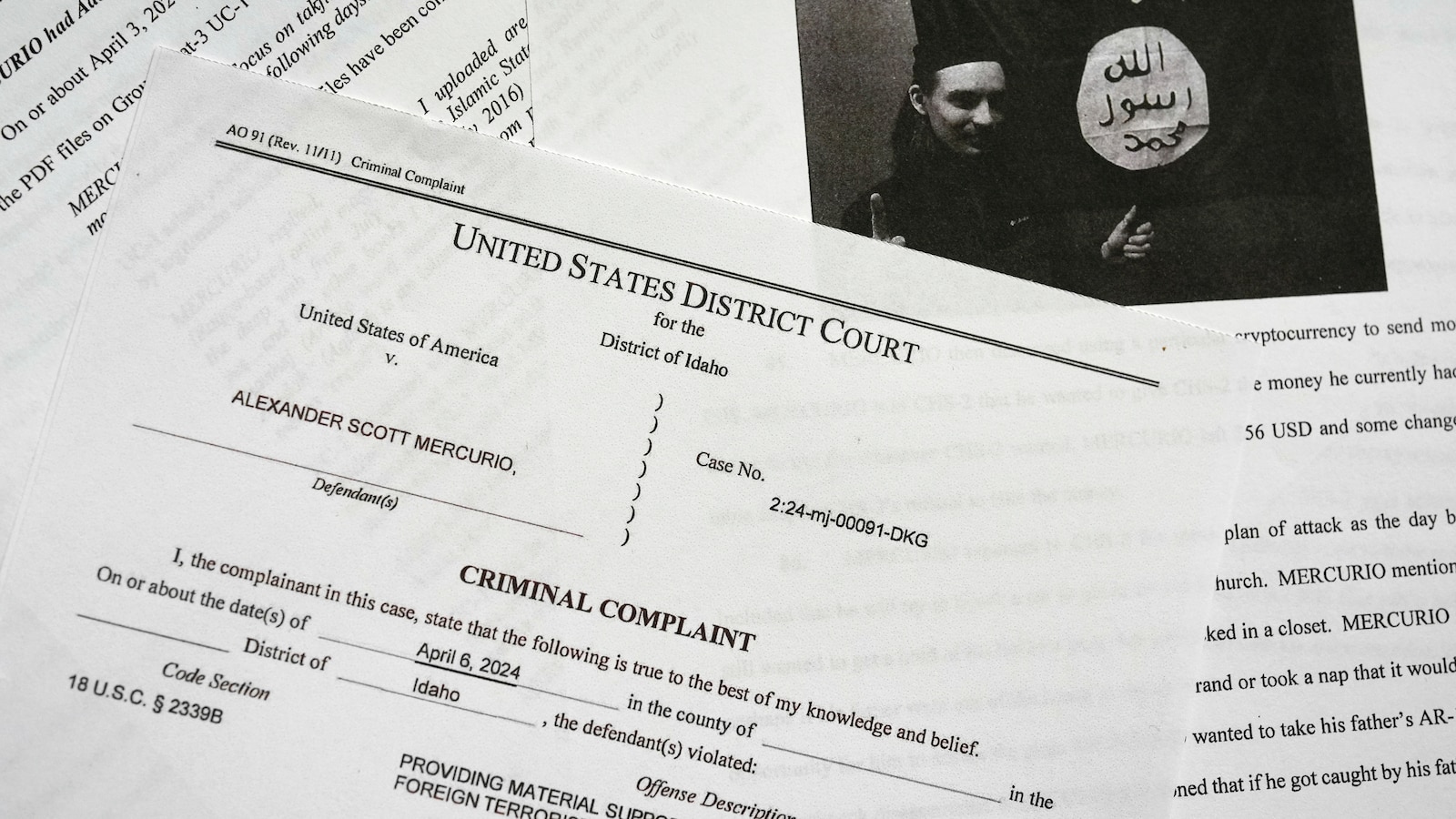
Idaho Man Alexander Scott Mercurio Sentenced to 18 Years for IS Support
Alexander Scott Mercurio was sentenced on Tuesday to 18 years in federal prison for attempting to provide material...

Career Criminal’ Sentenced to 15 Years in Prison | Hawaii News Now
Honolulu prosecutors secured a 15-year prison sentence for a man they describe as a career criminal. On Monday,...
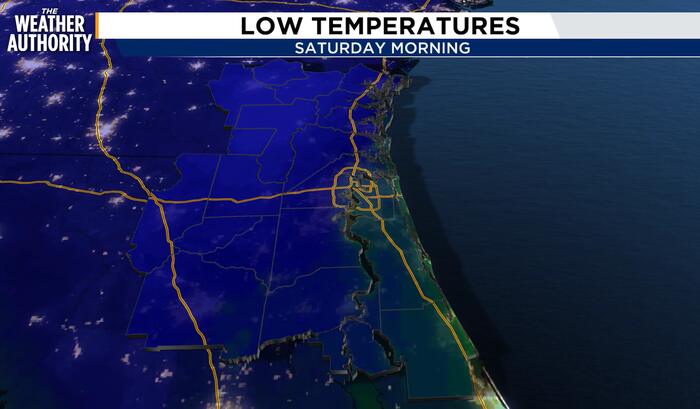
Strong Cold Front Set to Drop Temperatures as Low as the 30S & 40S Later This Week
A strong cold front will move across our area on Thursday, bringing more wind and the coldest air...