
Arkansas library board revised its proposed funding rules this week to exempt encyclopedias and fine art from restrictions on minors’ access.
The change acknowledges the policy would have treated Michelangelo’s paintings in the Sistine Chapel and his statue of David as “items too dangerous for young eyes rather than works of art that should be appreciated by all,” Arkansas Advocate reported.
The rules still require libraries to restrict children’s access to “sexually explicit” material and leave vague language that could require closing access to works including “The Canterbury Tales” and “The Diary of Anne Frank.”

The revision does not address logistical hurdles for smaller libraries that may lack space to move restricted materials to separate areas. The rules compound a 2023 law imposing criminal penalties on librarians for providing material deemed “harmful” to minors. A federal appeals court ruled earlier this year that Arkansas can enforce that law.
The Atlantic declared “The end of reading is here” in a July headline, and The New York Times followed days later by asking whether a post-literate era has arrived. James Marriott’s recent book, “The New Dark Ages,” offers what the sources call the bleakest assessment of falling reading levels and the threat they pose to democracy, according to the Arkansas Advocate.
A NORC Civic Health & Elections Project poll found that 86% of likely Arkansas voters expressed confidence in the people running public libraries, while 72% said the same about state government, the Arkansas Advocate reported. The sources contrast that trust with the board’s pursuit of restrictions that could require closing access to works such as “The Canterbury Tales” and “The Diary of Anne Frank.”
The rules also leave unresolved the logistical challenges for smaller libraries that lack space to relocate restricted materials. A federal appeals court ruled earlier this year that Arkansas can enforce a 2023 law imposing criminal penalties on librarians for providing material deemed harmful to minors, compounding the pressure on local officials.
Eighty-six percent of likely voters in Arkansas said they had confidence in the people running public libraries, compared with 72% for state government, according to the NORC Civic Health & Elections Project.
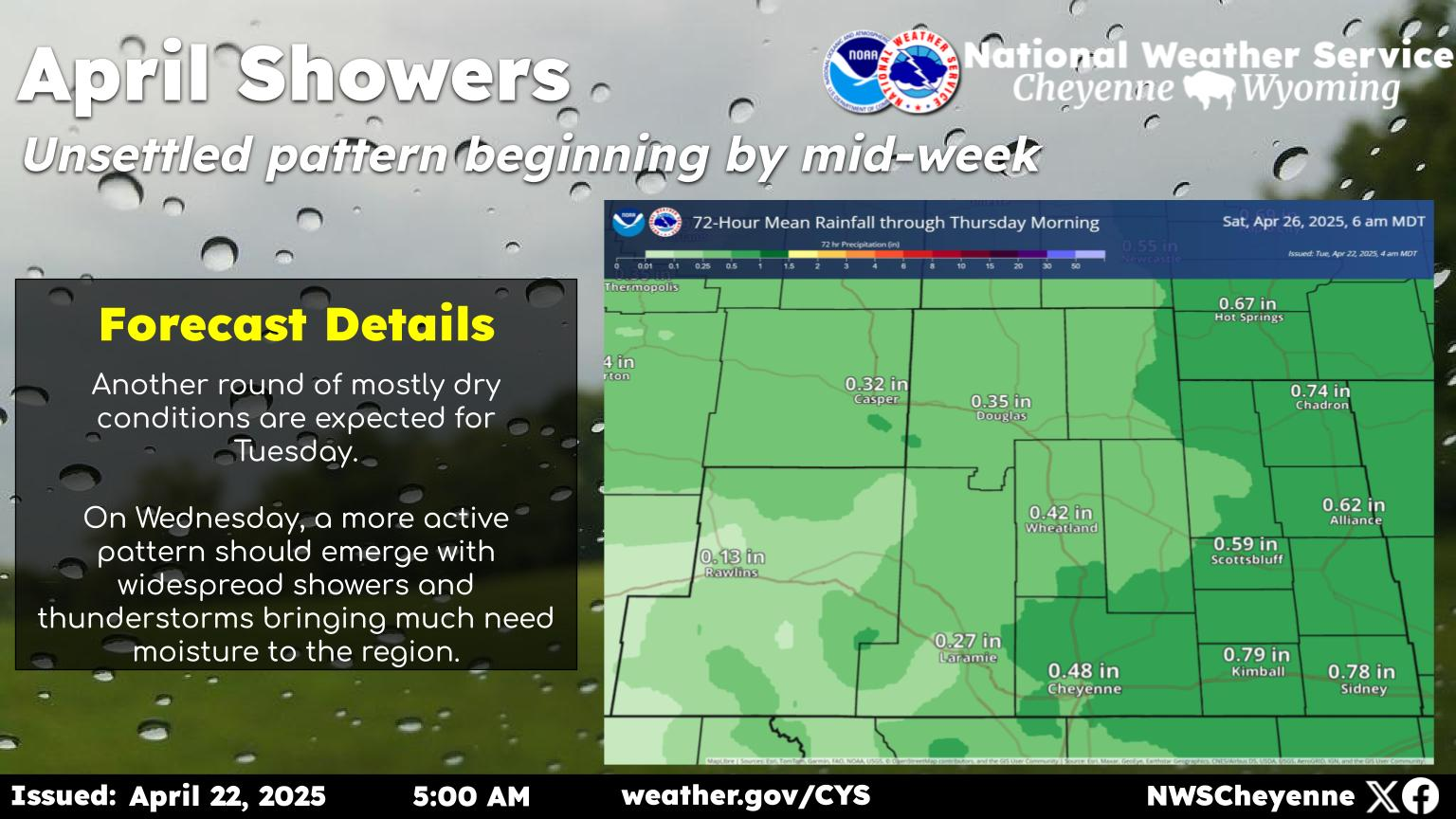
High Wind Watch Issued for I-80, I-25 in SE Wyoming With Gusts to 65 MPH Through Monday Night
The National Weather Service in Cheyenne issued a High Wind Watch on Sunday for corridors along Interstate 80...

Quilts of Hope Volunteer Stitches Comfort for NICU Families, Carries On Nurse’s Legacy
Margie "Ge-Ge" Spencer has made hundreds of quilts for babies in the neonatal intensive care unit at PeaceHealth...

Houston’s First Releases Christmas Worship Playlist for Daily Listening
Houston's First Baptist Church has updated its worship playlist with Christmas songs titled "Sunday365: Songs of Christmas" for...

Sean Dixon Succeeds Doug Price as Visit COS CEO After 10-Year Tenure
Colorado Springs collected $8.5 million in lodgers and auto rental tax through late November, up nearly 5% from...