
In a column for CT Mirror, the author argues that artificial intelligence in transportation spans from life‑saving infrastructure monitoring to fare extraction that has drawn federal scrutiny.
The MTA attached off‑the‑shelf Google Pixel smartphones to subway cars, using Google AI to measure vibrations and sound patterns. The system identified 92% of the track defects previously cited by human inspectors walking the tracks with flashlights. The author asks whether the same technology could be adapted for Metro‑North.
Google retimed traffic signals at 100 intersections in Boston’s North End, reducing delays by as much as 20%. Connecticut DOT is still looking to test AI for traffic‑light timing.
The MTA’s AI‑assisted Automated Camera Enforcement program launched in October on 62 bus routes. When a bus encounters an illegally parked vehicle, the ACE system scans the plate and issues a $50 ticket. In the first five months the program wrote more than 400,000 tickets.
Both UConn and the University of Hartford are working with the Connecticut Department of Transportation on AI tools to monitor bridge corrosion and predict which structures need repair most urgently.
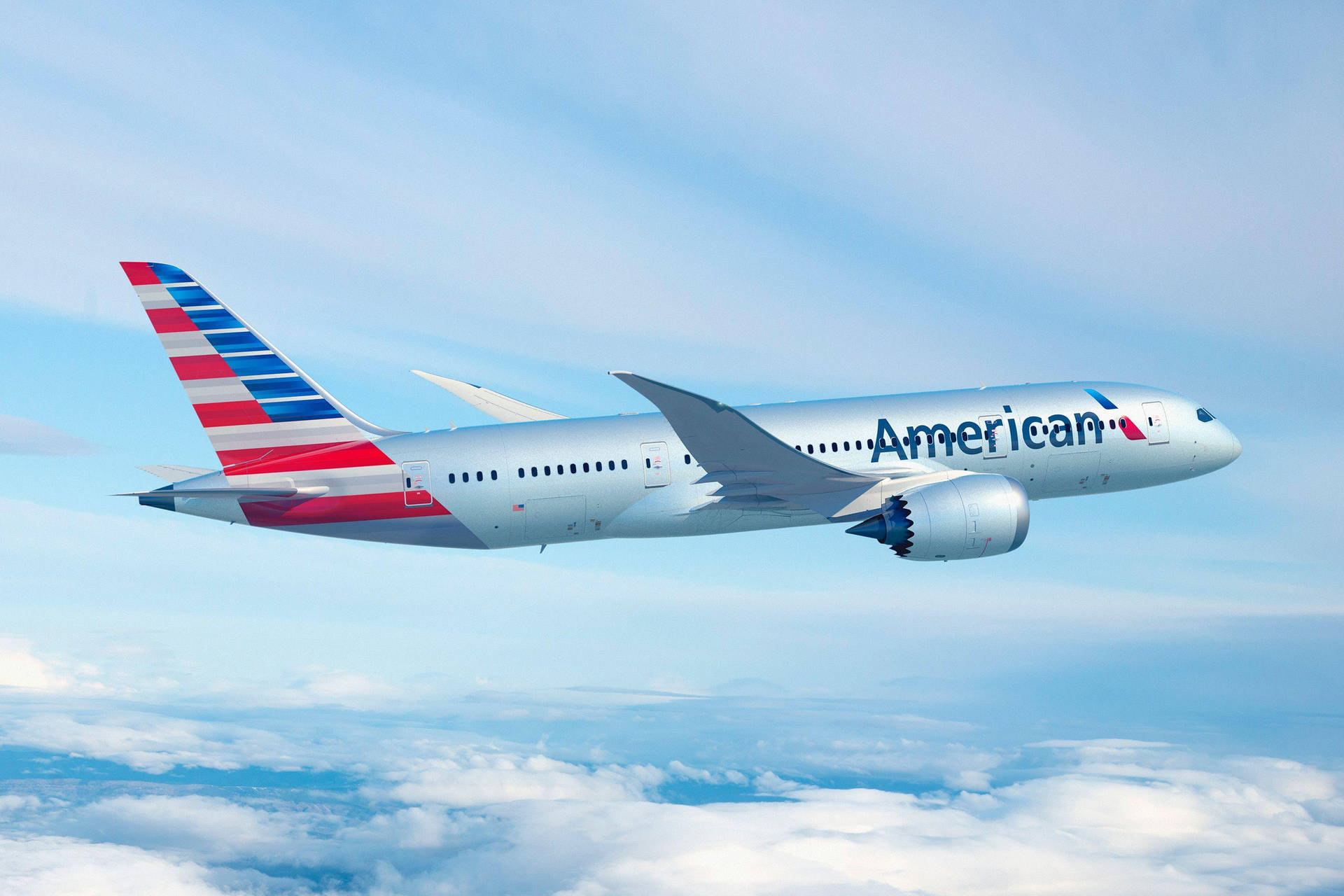
American Airlines uses AI to forecast which passengers will miss connections because of delays. United uses generative AI to contact customers about cancellations. Delta is testing software from Israeli firm Fetcherr that “helps the airline customize its fares to each passenger based on the ‘real time context’ of the booking,” looking at loyalty and travel patterns.
The Federal Trade Commission has ordered Delta, United and JetBlue to explain their personalized‑pricing practices. The deadline for responses is mid‑December.
The Federal Aviation Administration awarded an $875 million, 12‑year contract for a system called Strategic Management of Airspace, Routes and Trajectories, or SMART. The program will begin at the three Washington, D.C., area airports and will provide recommendations to human controllers, not automate air traffic control.
“So which kind of ‘smart’ will be the AI winner in transportation? The one that helps identify a bridge before it crumbles, or the kind of ‘smart’ that extracts the maximum fare for your next flight?” the author wrote in CT Mirror.
Related reading
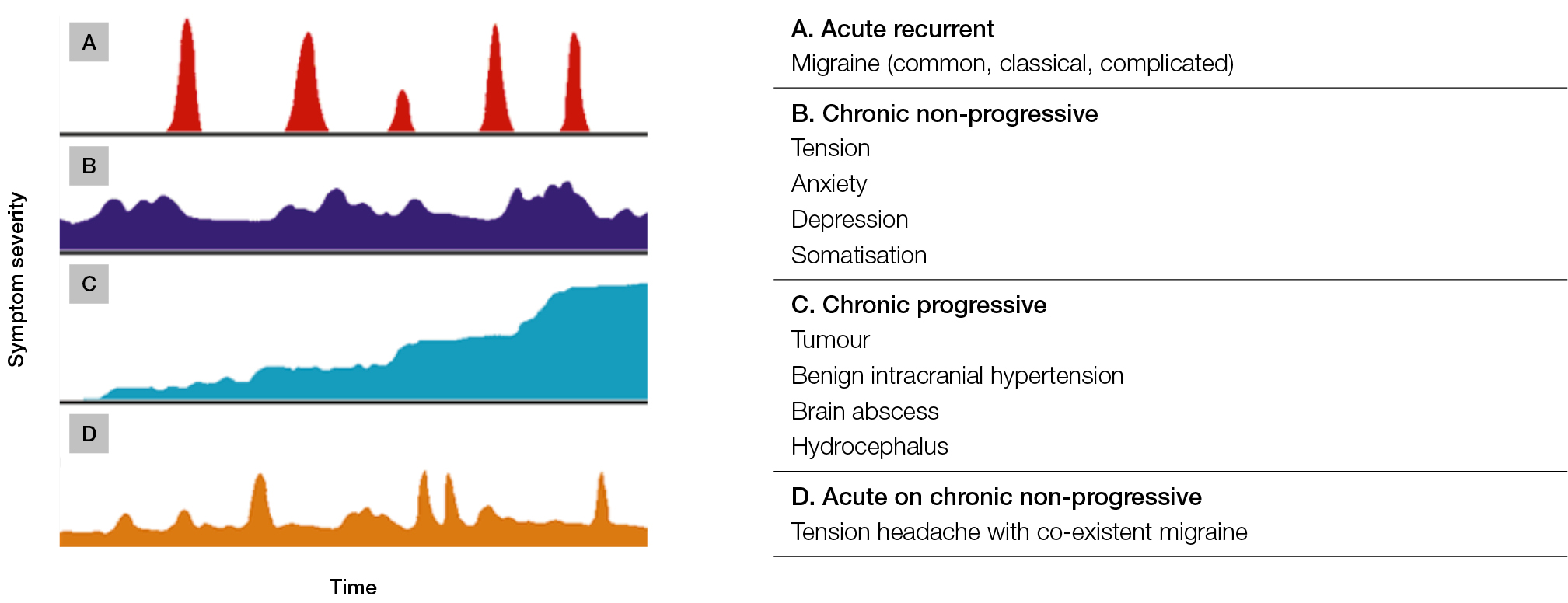
Advanced Pediatrics Las Vegas Releases Clinical Guide on Childhood Migraine Recognition and Management
Advanced Pediatrics Las Vegas released a clinical guide on childhood migraine recognition and management for families in Southern...

Boston Opens $16M Seaport EMS Station, First Municipal Facility After Decades of Growth
Boston opened a $16 million fully electric EMS station on Drydock Avenue near Pier 10 in early November...
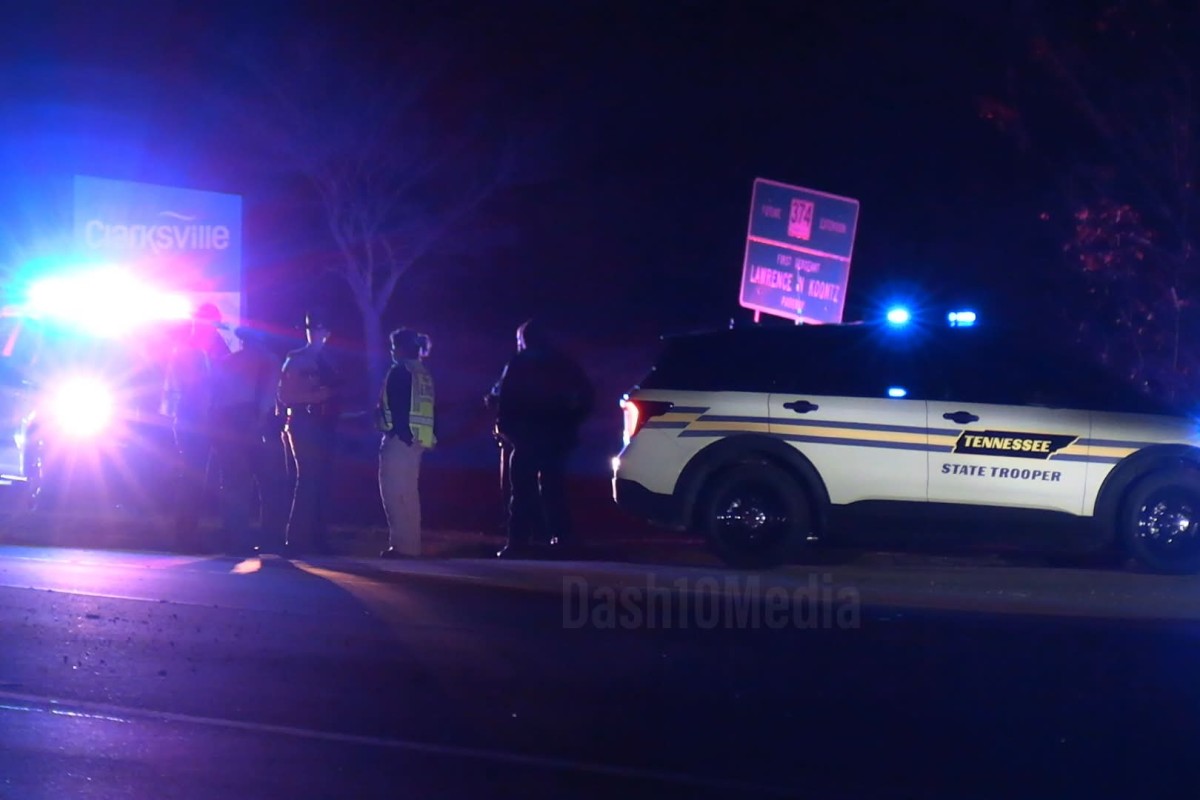
One Killed, Three Injured in Rollover Crash Near Clarksville, Tennessee
A single-vehicle crash killed one person and injured three others Saturday night on Dover Road near Clarksville, Tennessee....

Honolulu Ethics Commission Roiled by Power Struggle, Harassment Complaint
Honolulu Ethics Commission Chair Shelton G.W. Jim On and new Executive Director Sandy Ma are locked in a...