
In 1964, the U.S. Army secured vast tracts of Hawaiian state land for the price of one dollar. Now, more than six decades later, the service wants to give much of it back early—including the sacred Makua Valley—years ahead of the leases’ 2029 expiration date.
The Army has formally proposed terminating its leases on thousands of acres across Oahu and Hawaii Island, a move that would return parcels the military no longer needs for training while keeping its grip on the Pohakuloa Training Area, its largest live-fire range in the Pacific.
A $1 Lease Ends Early
Army Assistant Secretary for Installations, Energy and Environment Jordan Gillis wrote to state Board of Land and Natural Resources Chair Ryan Kanakaʻole on Friday, stating that “based on our commitment to return lands that are no longer required for military use, the Army would like to begin the lease termination process.”
According to the letter, the Army intends to end leases on 4,390 acres at the Kawailoa-Poamoho Training Area and 782 acres at the Makua Military Reservation on Oahu, and to partially end leases on 700 acres at Kahuku Training Area and 3,000 acres at Pohakuloa Training Area on Hawaii Island. The original 1964 leases, which cost just $1, were set to expire in 2029. While several of the parcels saw little ground-level training—Poamoho was used primarily as a flight range—the Army acknowledged that Makua in particular will require extensive coordination to determine cleanup roles, oversight authority, and access rights during remediation.
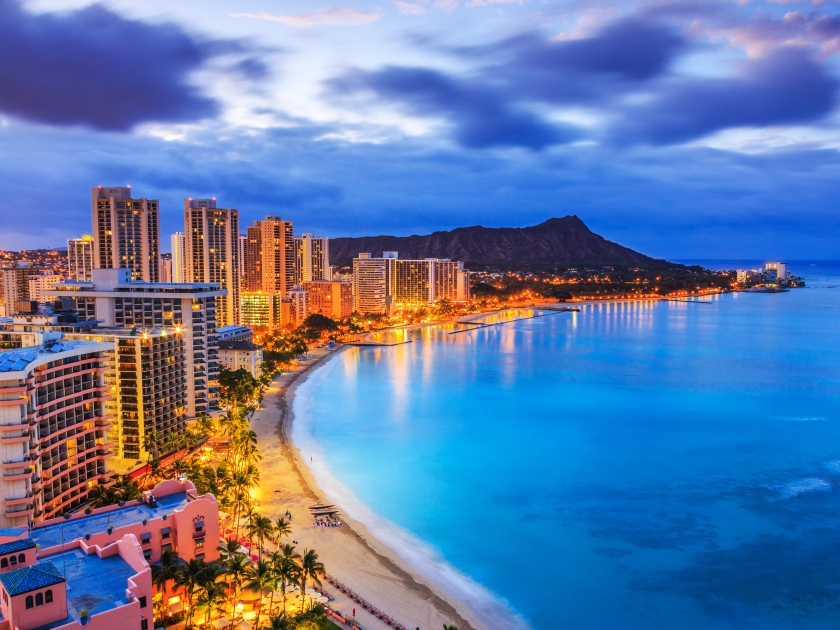
“We look forward to working with you and your staff to get the aforementioned parcels returned for State use,” Gillis wrote.
Gillis requested a meeting with the Department of Land and Natural Resources to develop a plan for the close-out procedures, required documentation, and inspections needed to hand the land back properly.
Makua Valley: A Sacred Site Returns
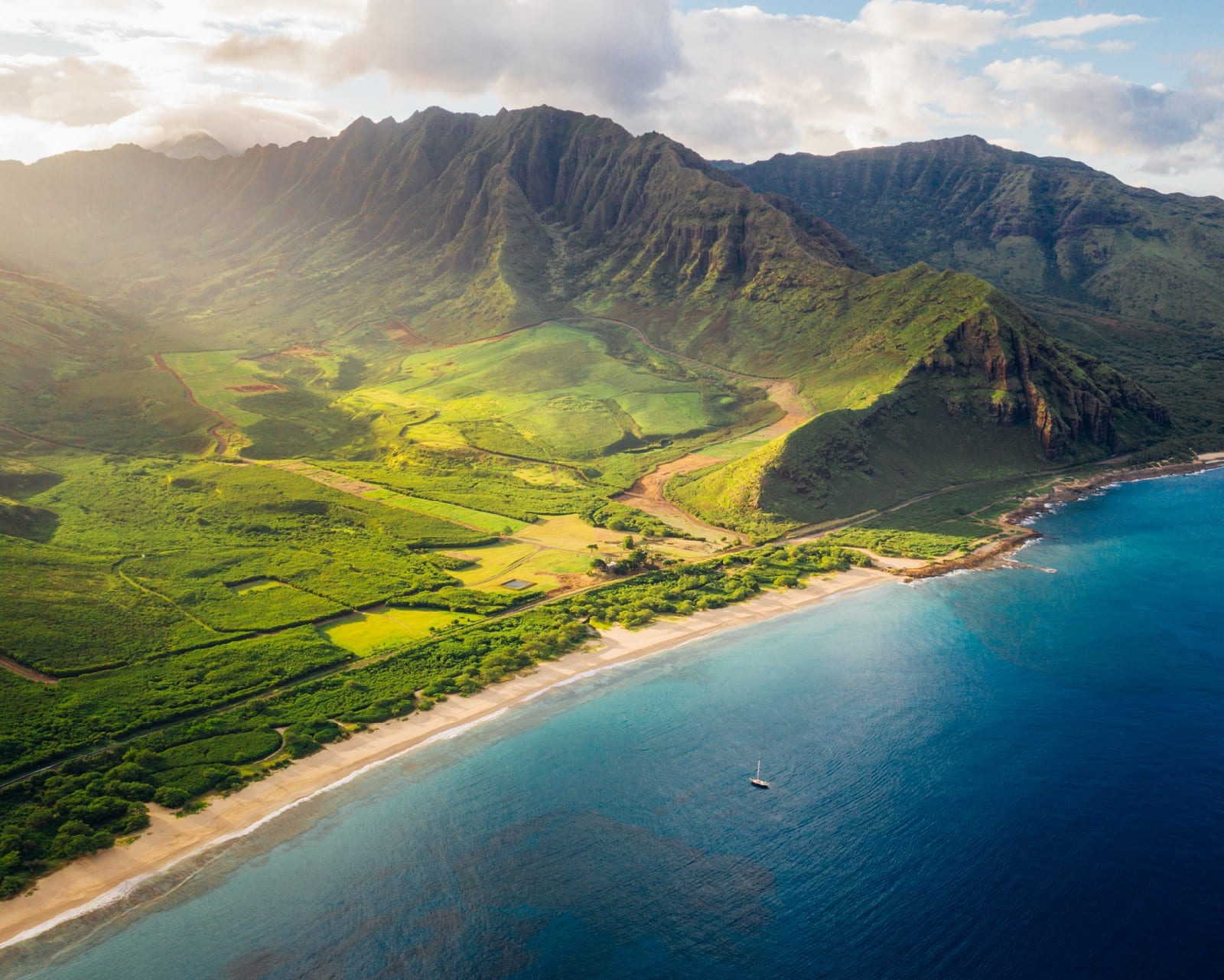
Among the parcels is Makua Valley, which Hawaiian cultural practitioners regard as sacred. Makua means “parent” in Hawaiian, and in some oral traditions it is considered the place where the Hawaiian people originated. The valley was used heavily as a live-fire range until ancient Hawaiian cultural sites were discovered after a brush fire caused by training. No live-fire training has occurred there in more than two decades after a lawsuit by Earthjustice on behalf of the activist group Malama Makua.
On October 1, the Army signed a memo stating it was ending training in the valley entirely. Gillis’ letter noted that Makua’s ranges are “no longer available for ground training and have been removed from the training inventory.” The Army acknowledged that Makua will require “a robust lease close-out process, in coordination with your staff, to determine roles and responsibilities, proposed land use, schedule, oversight authority, and rights of access during the cleanup process.”
DLNR Communications Director Andrew Laurence said the department “will need to work with the Army to ensure that the return of the lands is carried out in accordance with their applicable lease provisions, including obligations relating to the condition of the lands upon surrender.”
Community Advocates Want More
Gov. Josh Green welcomed the move in a statement, saying he “welcomes the Army’s long-awaited first steps toward returning lands no longer needed for military training.” But his office emphasized that Green “remains committed to the return of the entire Makua Valley, including both state-owned and federally owned lands, consistent with the Army’s public commitment.”
U.S. Rep. Jill Tokuda, who sits on the House Armed Services Committee, called it “a good first step” but stressed that the return of these parcels is “in no way any kind of quid pro quo for the lease negotiations.” She said the military should “continue to act in good faith in terms of renegotiating the leases,” adding that “giving back land that you’re not using, remediating it for the benefit of Native Hawaiians and our communities, that’s just doing the right thing.”
“Obviously when we talk with the community, it’s about the long-term return… It’s like looking at potentially in the future the full return of Makua Valley and what that’s going to mean,” Tokuda said.
Former BLNR chair William Aila Jr., a longtime advocate for the Army to leave Makua, said the proposal suggests the military is “ready to give up the top (federal) portion” of the valley. But Aila and others oppose continued drone and aircraft training in the area. He advocates for placing Makua Valley into a community land trust rather than under state control, managed by those who have fought for the valley’s return for the past 30 years.

The Military’s Counterpoint: Pohakuloa Stays Critical
Not all the land is being returned. The Army plans to retain much of Pohakuloa, which commanders argue is essential for preparing American troops and their allies for potential conflict in the Pacific amid simmering tension with China. The service’s largest live-fire training area in the Pacific Basin remains central to military readiness in the region.
The state Board of Land and Natural Resources voted last year to reject the Army’s final environmental impact statements, pointing to data gaps and incomplete studies. The dispute became public when Green said the Army had told his office it was considering condemning the lands—taking them permanently from the state through eminent domain—if an agreement could not be reached.
“If any language even surfaces it, I assure you, I will take to the floor,” Tokuda said.
As the Army and state officials prepare to meet on lease close-out procedures, the future of Makua Valley remains contested between Hawaiian cultural practitioners who regard it as a sacred birthplace and officials preparing to return the land for state use.

Maryland Defeats Ohio State 3-1 in Big Ten Field Hockey Tournament
The Ohio State field hockey team's 2026 campaign closed Wednesday evening at Buckeye Varsity Field in Columbus, where...
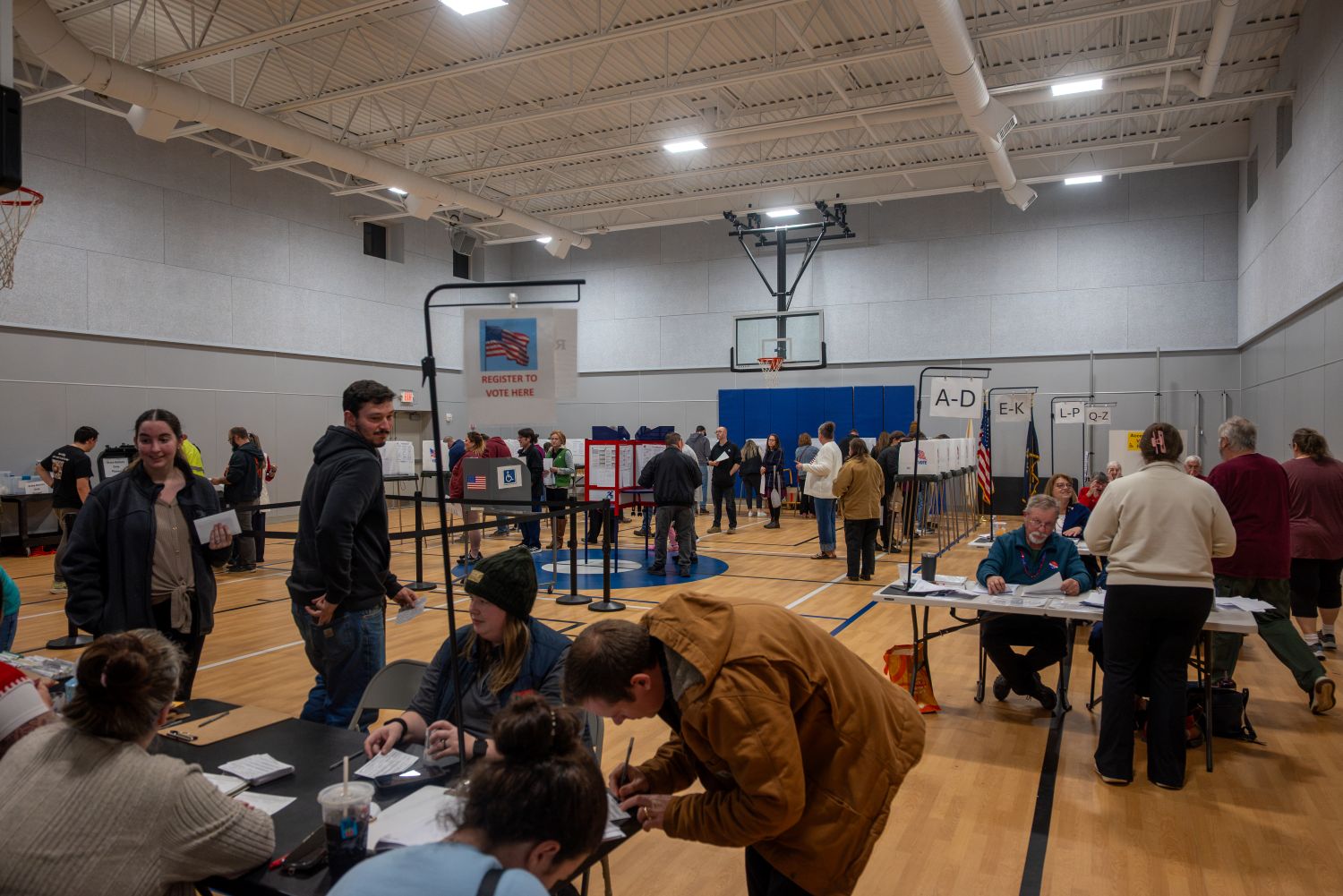
Maine voters elect Hannah Pingree as governor, oust Susan Collins in Senate
Maine Voters Oust Susan Collins, Elect Hannah Pingree Governor in Democratic Sweep On November 3, 2026, Maine voters...
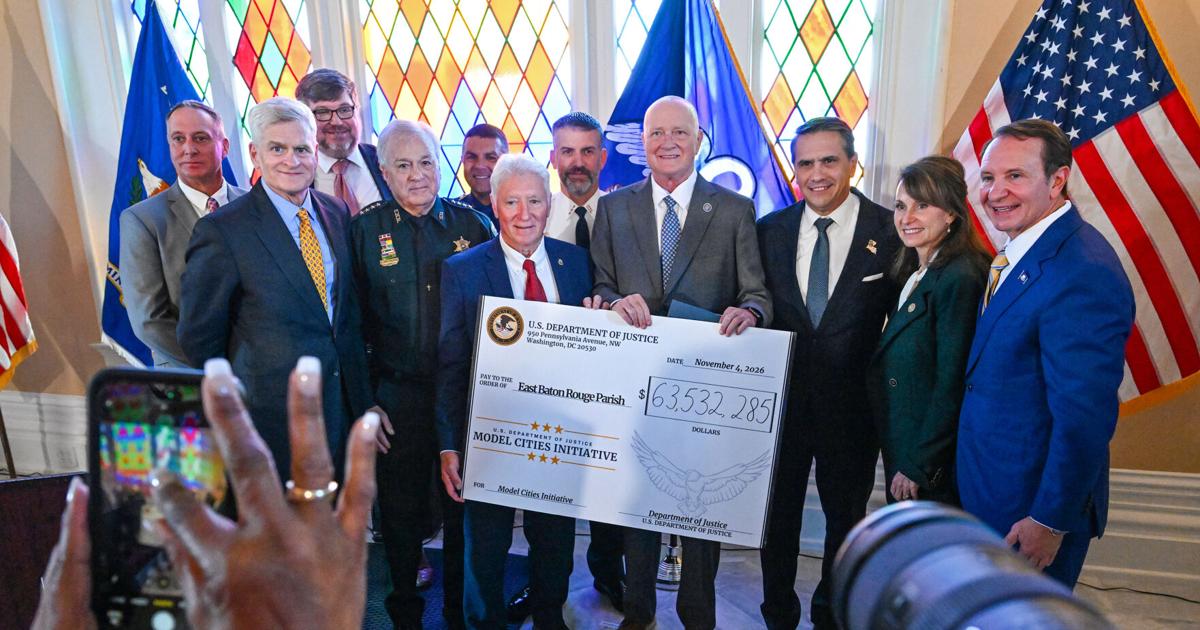
Baton Rouge to Receive $64 Million in Federal Funding to Combat Violent Crime
Baton Rouge will receive $63.5 million in federal funds over the next three years to expand officer patrols,...

California Woman Indicted for Disrupting American Airlines Flight
A federal grand jury in Wichita has returned an indictment against a 47-year-old California woman accused of disrupting...