
Regional arts resources expand in the Pacific Northwest
The Regional Arts & Culture Council (RACC) has released a specialized directory of art fabrication and resource companies operating across Oregon and Washington.
This list identifies professional shops with the technical capacity to assist artists in translating creative concepts into physical, large-scale works.
The directory serves as a bridge between individual creators and the industrial processes required for public art, architectural installations, and complex sculptural works. By cataloging these specialized services, RACC provides a guide for artists facing the technical hurdles of material science and structural engineering.
While the list is not intended to be an exhaustive census of the region’s industrial capabilities, it highlights a dense network of expertise spanning glass, metal, and mixed media. RACC noted that inclusion on this list does not constitute an official endorsement of these companies or their specific services.
Specialized glass and ceramic fabrication
The glass sector in the Pacific Northwest features a wide array of technical approaches, from traditional stained glass to high-tech architectural lamination. Companies like Bullseye Studio collaborate with designers globally to create kilnformed art glass for large-scale public installations and the built environment.
Boeing has stopped all 737 production because of the continuing machinists strike. "Airplane production in Washington state is temporarily paused including work on the 737 MAX, 767, 777/777X, P-8, KC-46A Tanker, E-7 Wedgetail," a spokesperson said. "Work at our Fabrication sites… pic.twitter.com/77ym2OPs6C”
For artists requiring specific decorative finishes, Moon Shadow Etchers provides automated sandblasting and photo-etched imagery on glass. Other local providers offer niche services, such as Glass Strategies, which focuses on architectural art glass fabrication and UV-bonded glass vitrines, or Ultraviolet Stained Glass, which specializes in translating hand-drawn patterns into traditional lead came fabrication.
The directory also captures high-end casting and fusing capabilities through providers such as Batho Studios, Firearts Studio, and the specialized services of Glass Strategies. These shops allow artists to move beyond small-scale studio work into permanent, weather-resistant architectural elements.
Metal fabrication services support public art
Metal fabrication represents a large portion of the resource list, covering everything from delicate custom armatures to massive public monuments. The capabilities range from small-scale welding to advanced CNC plasma and laser cutting.
Several firms specialize in the heavy lifting required for public art. Ben Dye Sculpture, LLC, assists emerging artists by offering proposal consulting and RFP/RFQ support alongside steel and bronze fabrication. Similarly, Elemental Fabrication operates as a Portland-based shop that specifically targets public art collaborations, utilizing CNC routing and welding to bring designs to life.
For projects requiring complex casting or specialized metal alloys, the list identifies several industrial-grade foundries and machine shops:
- Blue Mountain Fine Arts Foundry: Offers ceramic shell and lost wax processes for bronze, aluminum, and silver.
- Calcagno Studio & Foundry: Specializes in sand casting and lost wax processes for various metals.
- Madden Fabrication: Provides expertise in exotic metals, including titanium, nickel alloys, and copper.
- Valley Bronze of Oregon Inc.: A full-service foundry and monument specialist.
- Walla Foundry: Utilizes digital operations and casting for diverse projects.
Beyond casting, the list includes providers for structural and architectural metalwork. Albina Pipe Bending Company Inc. focuses on the bending and forming of pipe, tube, and structural steel for museums and government buildings, while General Sheet Metal works with a variety of finishes including brass, zinc, and polished copper.
Digital prototyping integrates with mixed media
As contemporary art increasingly integrates digital technology and non-traditional materials, the resource list has expanded to include high-tech prototyping and mixed-media services. This allows artists to test scale and form before committing to expensive, permanent materials.
Form 3D Foundry offers 3D scanning and large-format 3D printing for direct casting or epoxy infusion. This digital workflow is complemented by providers like The Good Mod Workshop, which integrates digital modeling with physical crafts like upholstery, sewing, and woodworking.
For artists working with organic or synthetic textures, Sculpturerox provides expertise in mold making and faux finishes using clays, concrete, and silicone. Pushdot Studio offers the essential backend services of large-format archival printing and artwork capture, which are critical for exhibition mounting and portfolio development.
The availability of these resources suggests a maturing ecosystem where the line between the artist’s studio and the industrial machine shop is increasingly blurred. The question remains how these specialized technical services will continue to evolve alongside the rapid advancements in 3D printing and digital fabrication tools.
Related reading
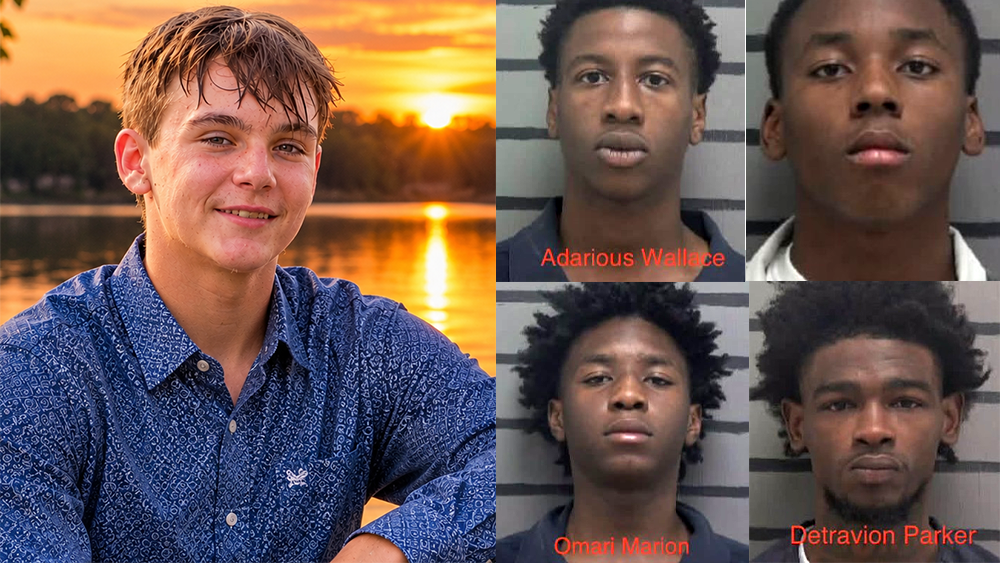
Four Arrested in Murder of 15-Year-Old Austin Payne in Albany
Four charged in shooting of 15-year-old Austin Payne Austin Payne called his mother on Halloween night to tell...
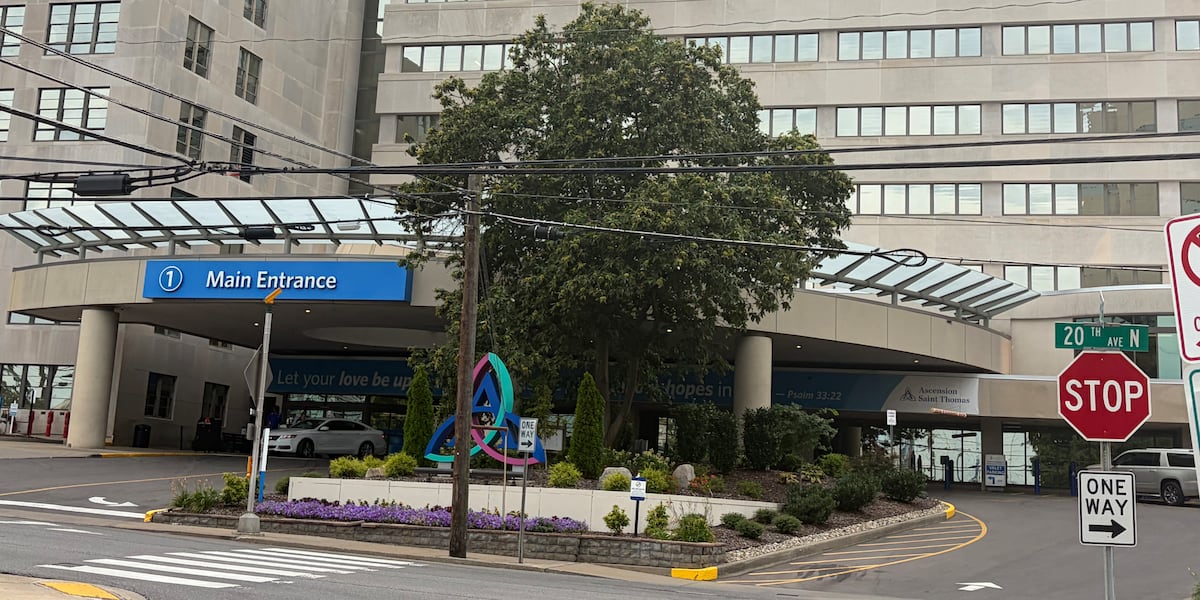
Nashville Woman Files $150 Million Lawsuit Against Ascension
Linda Gilbert seeks $150 million in lawsuit against Ascension Saint Thomas A Nashville woman is suing Ascension Saint...

RIDOT to Begin Kingston Station Railroad Bridge Replacement
RIDOT to replace Kingston Station bridge The Rhode Island Department of Transportation (RIDOT) will begin a major replacement...

Salem vs. ODU Basketball Play-by-Play Highlights
According to a box score report from ohiodominicanpanthers.com, the game saw rapid momentum shifts within the first six...