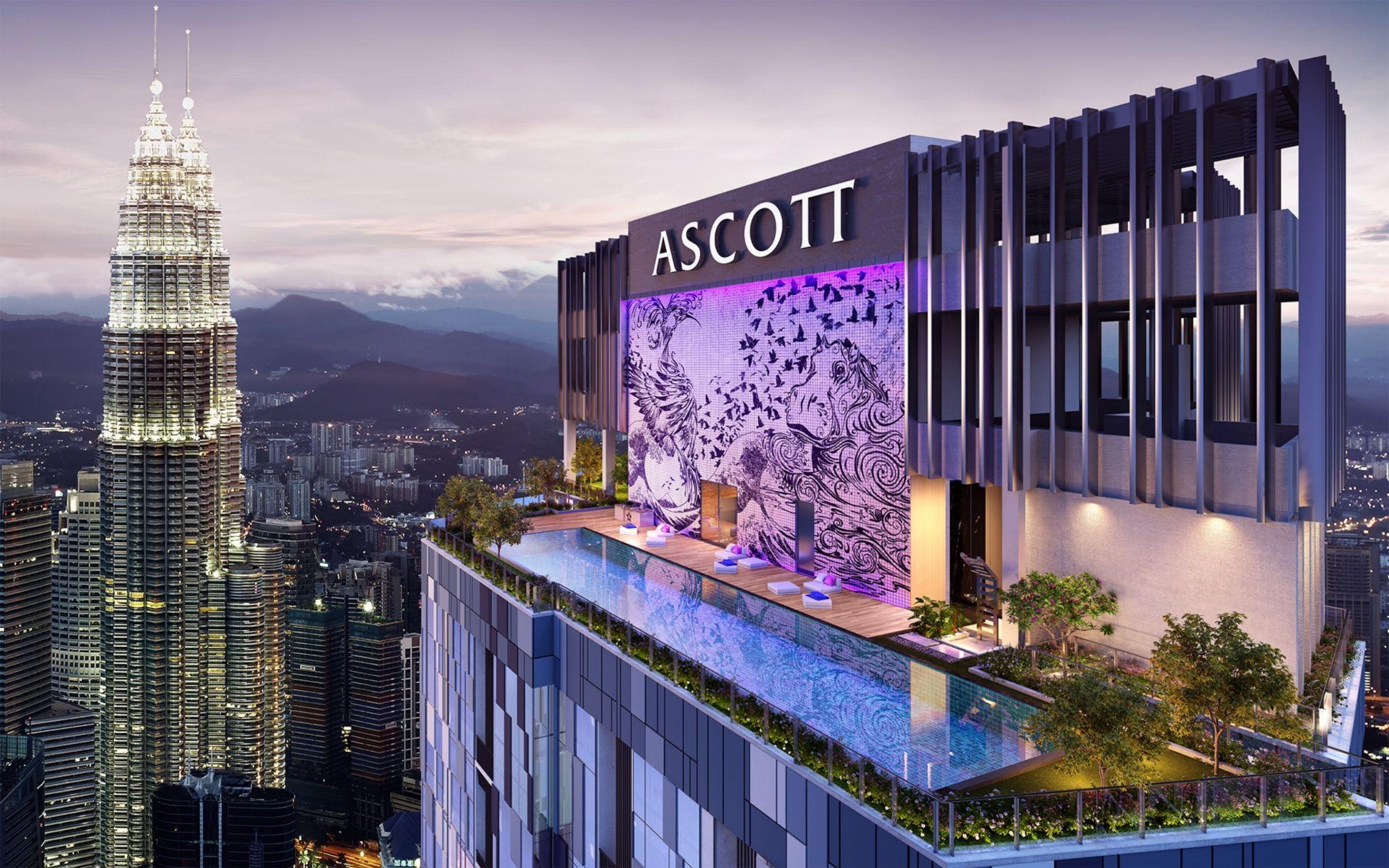
The Ascott Limited has achieved Global Sustainable Tourism Council (GSTC) certification for 50% of its eligible property portfolio, TTR Weekly reported.
The Singapore-headquartered hospitality company, which is wholly owned by CapitaLand Investment, is moving toward a target of certifying its entire eligible portfolio by 2028. The GSTC-Committed member is expanding its environmental and social governance standards across its global operations.
The certification process involves rigorous, independent audits by GSTC-accredited bodies. These audits evaluate properties against specific global criteria, including sustainable management, environmental stewardship, community impact, and the preservation of cultural heritage.
Ascott has already achieved full GSTC certification for all eligible properties in several key markets, including India, Laos, Europe, and Australia. The company also holds a distinction in the Asia-Pacific region, becoming the first hospitality provider in Japan, Malaysia, and the Philippines to have its entire eligible portfolio certified.

Expansion efforts are currently concentrated in Indonesia, where the company expects to certify all eligible properties by the end of 2026. This move would add more than 50 properties to its certified list and increase its total share of certified properties to over 65%.
| Region/Market | Certification Status |
|---|---|
| India, Laos, Europe, Australia | Full eligible portfolio certified |
| Japan, Malaysia, Philippines | First hospitality company with full certification |
| Global Portfolio | 50% of eligible properties certified |
| Indonesia | Expected full certification by end of 2026 |
These sustainability initiatives are managed under Ascott CARES, a global framework designed to align company operations with GSTC Standards. A central component of this strategy is the Ascott CarbonClear Initiative, which the company launched in 2024.
The initiative focuses on improving performance metrics related to energy, water, waste, and carbon emissions across its various properties. These operational improvements are intended to support Ascott’s long-term commitment to reaching Net Zero for Scope 1 and 2 emissions by 2050.
While the push for rapid certification demonstrates a commitment to standardized environmental metrics, the hospitality industry often faces scrutiny regarding the actual impact of such certifications on localized ecological footprints. Critics frequently question whether corporate-wide frameworks can effectively address the unique environmental pressures of diverse geographic locations, from high-density urban centers to sensitive coastal tourism hubs.
The company remains on track to complete its full portfolio certification by 2028.
Keep reading

Zelenskyy Discusses Prisoner Exchange and Security Guarantees in Abu Dhabi Peace Talks
Ukrainian President Volodymyr Zelenskyy arrived in Dublin on Thursday for high-level meetings with Taoiseach Micheál Martin, setting the...
Russia and Ukraine Agree to Major Prisoner Exchange in US-Mediated Abu Dhabi Talks
Russia and Ukraine have agreed to a large-scale exchange of prisoners of war during US-mediated negotiations in Abu...

Hoax Bomb Threat Emails Target Schools in Italy, UK and Ireland
Thousands of schools across Italy, the United Kingdom, and Ireland were targeted by hoax bomb threat emails on...

Tragedy on the Melaka Campaign Trail: Car Hits Lorry, Alor Gajah PKR Deputy Chief Dies in Crash Outside Campaign Operations Room – Malay Mail
An aide to the Pakatan Harapan candidate for the Asahan seat died in a collision with a fruit-laden...