
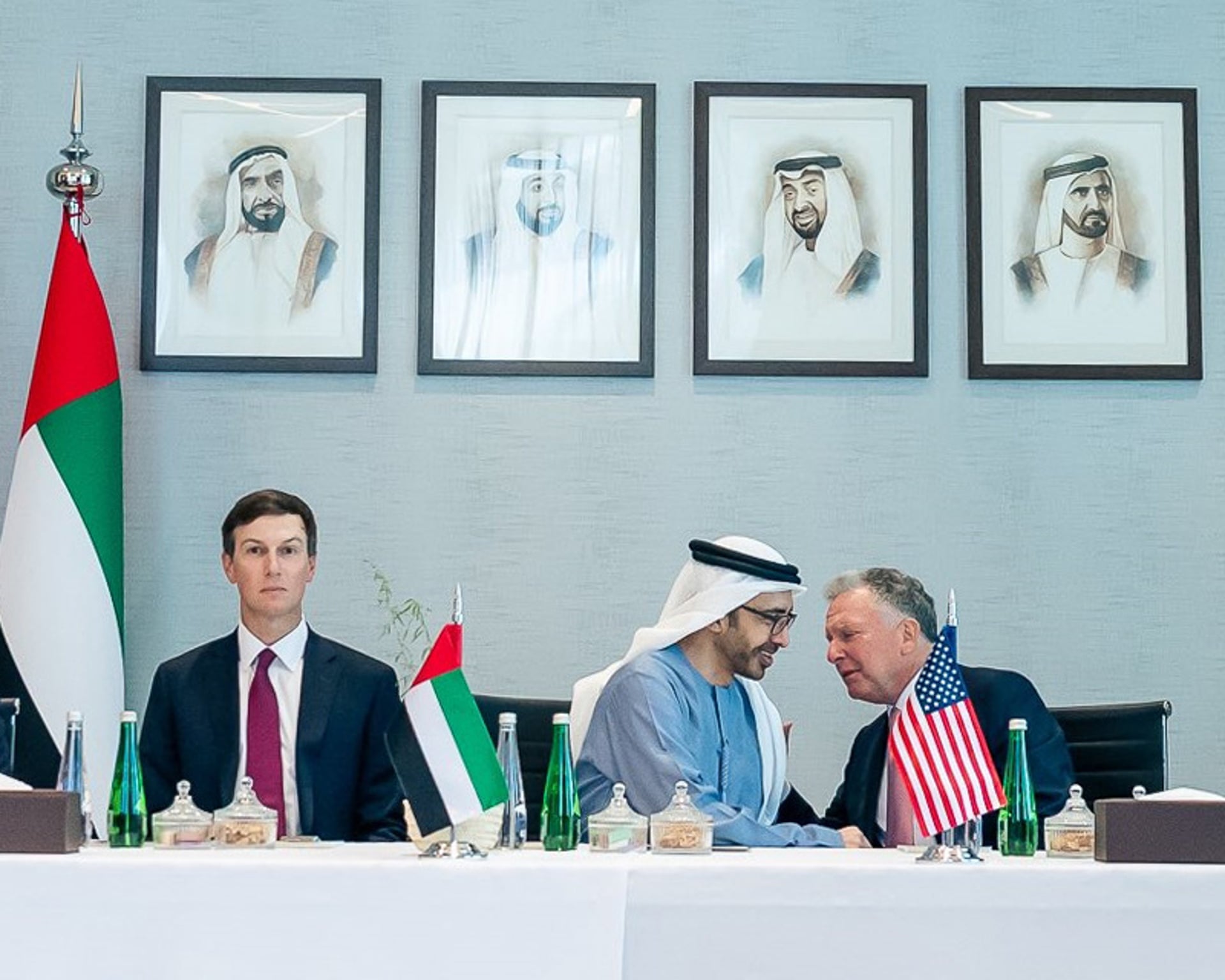
Ukrainian President Volodymyr Zelenskyy arrived in Dublin on Thursday for high-level meetings with Taoiseach Micheál Martin, setting the stage for a critical debriefing with U.S. envoys Jared Kushner and Steve Witkoff regarding the ongoing peace negotiations in Abu Dhabi.
The diplomatic push follows a two-day trilateral summit—the first of its kind in nine months—aimed at reviving stalled efforts to end the nearly five-year conflict.
During a press conference in the Irish capital, Zelenskyy confirmed that the Abu Dhabi discussions centered on two primary pillars: a large-scale prisoner exchange and the development of a new security architecture for Ukraine.
According to The Irish Times, the Ukrainian president expressed optimism regarding the potential release of 1,000 to 1,200 prisoners of war, stating, “That would be a very positive thing, and I don’t see any reasons for Russia to not accept that proposal.”
The Scope of the Abu Dhabi Negotiations
The trilateral talks, mediated by the United States, have shifted the diplomatic landscape compared to previous sessions in Geneva. While Russia and Ukraine have periodically swapped prisoners throughout the war, the proposed humanitarian release would mark the largest of the conflict.
Vladimir Medinsky, the head of the Russian delegation, and Rustem Umerov, who led the Kyiv delegation, confirmed the plan for the exchange, with final numbers expected to be solidified shortly, The Irish Times reported.

Beyond the immediate human cost, the discussions addressed the contentious issue of territorial boundaries and long-term security guarantees. In comments reported by CNBC, Zelenskyy emphasized that his nation is “not real estate,” signaling a firm stance against territorial concessions despite pressure from the reality of the front line.
The Ukrainian leader said that while the Abu Dhabi session was “constructive and quite substantive,” the fundamental demands of both Moscow and Kyiv remain far apart.
Differing Perspectives on Security
The diplomatic maneuvering comes as the U.S. administration faces a transition in Congress, with Democrats set to take control in January. US Secretary of State Marco Rubio described the Abu Dhabi meeting as “very productive” but cautioned that a definitive breakthrough remains distant, according to The Irish Times.
Meanwhile, The Guardian reported that Zelenskyy believes Russian President Vladimir Putin “lives in a different reality,” particularly concerning Russian claims of occupying half of the Donbas region.
The situation remains volatile on the ground. Overnight strikes continued to hit the Zaporizhzhia region and Kharkiv, while Russian officials reported that air defenses intercepted 627 Ukrainian drones, including 150 near St. Petersburg.
One of these strikes reportedly ignited a fire at the Ust-Luga oil export facility, injuring three workers, as noted by The Irish Times. These ongoing kinetic operations underscore the difficulty of maintaining a diplomatic track while the front lines remain largely static.
The American Role and European Involvement
The involvement of Kushner and Witkoff represents a concerted effort by the current U.S. administration to secure a “final end” to the fighting. After their scheduled meetings in Moscow, the envoys are expected to arrive in Dublin to compare notes with Zelenskyy.
European officials, alongside representatives from the EU and NATO, have also been present in Abu Dhabi, consulting with the Ukrainian delegation, although Russia has reportedly resisted direct European involvement in the negotiations.
The sequence of these diplomatic events is considered vital by Kyiv. As reported by CNBC, Zelenskyy outlined his preferred order for progress: “First, stop the war in Ukraine. Second, security guarantees for Ukraine. Third, maybe some dialog about these topics of security.” Whether this sequence can be reconciled with Moscow’s requirement for security guarantees as a prerequisite for ending hostilities remains the primary obstacle to a lasting peace deal.
Worth a look
Russia and Ukraine Agree to Major Prisoner Exchange in US-Mediated Abu Dhabi Talks
Russia and Ukraine have agreed to a large-scale exchange of prisoners of war during US-mediated negotiations in Abu...

Hoax Bomb Threat Emails Target Schools in Italy, UK and Ireland
Thousands of schools across Italy, the United Kingdom, and Ireland were targeted by hoax bomb threat emails on...
Tragedy on the Melaka Campaign Trail: Car Hits Lorry, Alor Gajah PKR Deputy Chief Dies in Crash Outside Campaign Operations Room – Malay Mail
An aide to the Pakatan Harapan candidate for the Asahan seat died in a collision with a fruit-laden...

Wayne Rooney Joins I’m A Celebrity Line-up With £800,000 Fee
Wayne Rooney is heading into the Australian jungle as the highest-paid contestant on the 26th year of I'm...