
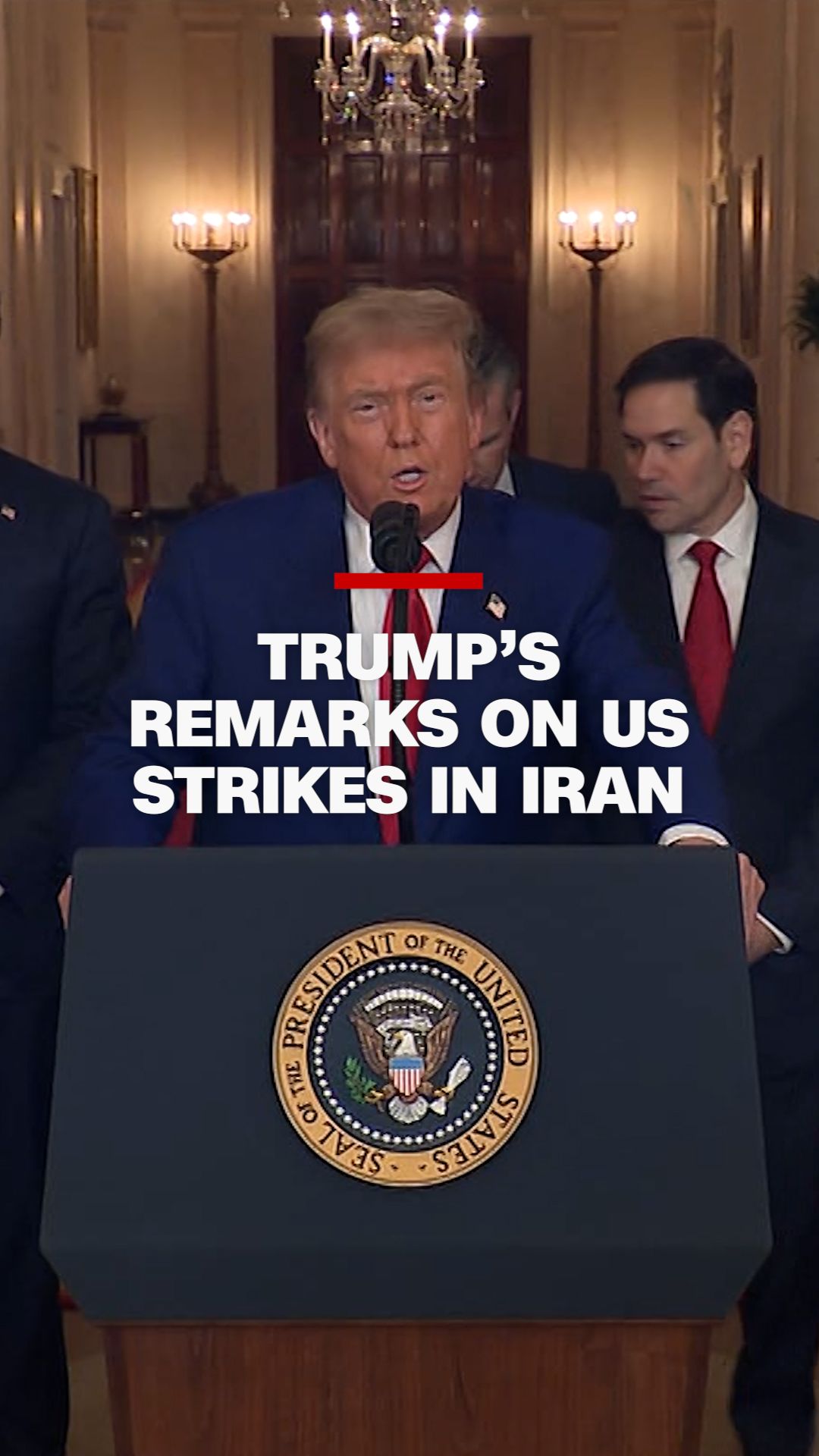
Asia’s economies remain exposed to a war in Iran that shows no sign of ending, even after US President Donald Trump declared on Nov. 9, 2026 that the conflict “militarily is effectively over.”
The Strait of Hormuz is still largely closed, and Asian governments — which took around 84 per cent of the crude oil and 83 per cent of the liquefied natural gas flowing through the chokepoint in 2024 — face a supply shock likely to outlast Washington’s declarations, East Asia Forum reported.
Trump’s claim draws ‘Mission Accomplished’ comparisons
Trump’s Nov. 9, 2026 statement invited “inevitable comparisons” with former US president George W Bush’s “Mission Accomplished” claim during the Iraq war, the publication said. Nine months into the war, no lasting settlement is in sight.
Damage to Qatar’s gas export plants will affect supply over the longer term, and replenishing oil stockpiles drawn down since February is likely to keep prices elevated after a settlement restores Middle Eastern oil flows.
Diversion of US attention from Asia
The conflict has diverted US attention and resources away from Asia, Chin-Hao Huang wrote in the latest East Asia Forum Quarterly. Huang warned that Washington’s push for allies to carry a greater security burden reverses the old moral hazard of US alliances: “regional allies might assume inordinate risks that expose them to unwanted economic retaliation or tit-for-tat military confrontation with China.”
Many Asian allies are reluctant to take on those risks without reliable assurances and are instead diversifying partnerships to preserve strategic autonomy. Singaporean Prime Minister Lawrence Wong said regional states are taking security matters into their own hands “just in case help does not arrive in time.”
Inflation and fiscal strain across Southeast Asia
Southeast Asia’s strong growth hides sharp distributional costs from higher energy prices, Jayant Menon wrote in the same issue. The inflation rate is projected to climb to 4 per cent or above, dealing the harshest blow to the region’s poorest nations.
“A longer shock increases the risks of stagflation, deeper inequality and lasting damage to the welfare of the poor,” Menon warned. Governments have shielded households with broad-based support, absorbing costs through their budgets, but the fiscal cost will weigh more heavily the longer uncertainties last.
Echoes of the 1979 oil crisis
Drawing a parallel with the 1979 oil crisis, Fritz Bartel said that governments then borrowed heavily to protect living standards and helped set the stage for the debt crises of the 1980s. “States got in trouble for not establishing a path to adjust their societies to the new global economic reality, not for protecting populations from energy crises,” Bartel wrote.
Fiscal room varies widely: most of the region’s larger economies carry moderate debt and borrow largely in their own currencies, while the poorest have thin reserves and face growing risk of debt distress.
Targeted support and energy diversification urged
Contributors to the Quarterly argued that the priority should be to direct assistance to the households that need it most and to be clear about when emergency measures will end. Menon noted most countries “subsidise both fossil fuels and the green transition, an incongruity that undermines policy coherence and wastes public funds.”
Longer-term resilience depends on energy diversification. The near-term transition will rely heavily on Chinese-made technology, making open regional trade in green technology critical. RCEP and the ASEAN Power Grid, as ASEAN-centred initiatives, offer platforms for cooperation that can reduce exposure to disrupted fuel supplies and chokepoints.
More on Donald Trump
Worth a look
- PM Andy Burnham Faces Backlash Over Two Viral TikTok Videos From No 10 Reception
- Huw Edwards Regrets Guilty Plea, Ties BBC Repayment to Conditions
- La Rochelle hold off Perpignan comeback to claim 34-23 Top 14 victory (newsarchyuk.com)
- Trump's Beef Quota Filled About 37% in Month One; Ground Beef Fell 13 Cents (daybreakwire.com)

PM Andy Burnham Faces Backlash Over Two Viral TikTok Videos From No 10 Reception
Prime Minister Andy Burnham faced a political backlash this week after TikTok videos from a Downing Street reception...

Huw Edwards Regrets Guilty Plea, Ties BBC Repayment to Conditions
Huw Edwards told The Observer he sometimes regrets pleading guilty to three counts of making indecent images of...

Philippines Eyes ASEAN Tax Lessons, Bank Secrecy Reform After Chairmanship Ends
The Philippines concluded its 2026 ASEAN chairmanship, handing the bloc's leadership to Singapore and shifting domestic policy discussions...

Irish Times Answers Reader Queries on Voluntary PRSI and Pension Gaps
In a column for The Irish Times, the paper answers reader queries on voluntary PRSI contributions, eligibility rules...