
Arizona Students Discover Tokyo Immigration Parallels Through Cronkite Borderlands Initiative
“We tend to think of borders as this imaginary dotted line that divides countries, right?” Rodrigo Cervantes said.
Arizona knows a thing or two about borderlands, but what happens when you take that conversation thousands of miles away to the borderlands of Japan? Students from the Walter Cronkite School of Journalism and Mass Communication at Arizona State University recently traveled to Tokyo to explore how immigration, identity, and culture shape communities on the other side of the world. In Tokyo, these student reporters found connections that are far closer to home than many might expect.
The journey marked the first time the Cronkite Borderlands Initiative has traveled to Asia in its 15-year history. During an appearance on the public affairs program “Horizonte” hosted by Catherine Anaya, Cervantes, an Assistant Professor at the Walter Cronkite School of Journalism and Mass Communication at ASU, and Natalia Rodriguez, an ASU journalism student, shared insights from their reporting trip. Cervantes explained that while people naturally picture geographic divisions like the Arizona-Mexico boundary, borders are more complicated and include technological borders.
Examining Global Xenophobia and Changing Laws in Japan
Japan is separated by water from other nations and is often left out from the rest of the world, Cervantes noted during the broadcast. Yet despite this physical separation, the country faces systemic immigration challenges that mirror trends in the United States and elsewhere. The student reporting revealed rising political movements with strict postures against undocumented immigrants, alongside growing instances of xenophobia directed at specific communities. These shifting rules and laws point to a broader global phenomenon rather than an isolated regional issue.
Rodriguez emphasized that experiencing these dynamics in person provided a depth of understanding that remote reporting simply cannot replicate.
“You really get to see the complexities and how similar things are to the immigration struggles, systems and challenges that people are facing here and understand that they’re applied in the exact same way and have the same ramifications.”
Rodriguez said.
Humanizing the Alternative Detention System
Among the standout reporting projects from the trip was Rodriguez’s profile of a local baker who dedicates his personal time to helping refugees. The volunteer supervises individuals released under Japan’s alternative to detention system while also assisting immigrants in detention facilities. What struck Rodriguez most about the subject was that his extensive volunteer work did not feel like a conscious choice to him, but rather a basic human responsibility.
The project highlights the human toll of bureaucratic immigration structures across different continents. By stepping outside traditional domestic reporting zones, the Cronkite students documented how ordinary citizens interact with and soften the impact of strict government policies, proving that the human element of borderlands exists wherever people cross paths.

College of Idaho defeats Carroll College 66-50 in men’s basketball
Defense Does the Talking as Yotes Silence the Saints at Elgin Baylor Arena Defense sets the tone when...

HPU and UH-Hilo play in women’s volleyball match
Hawaii Pacific University and UH-Hilo played in a women's volleyball match. The matchup opened with intense defensive pressure...
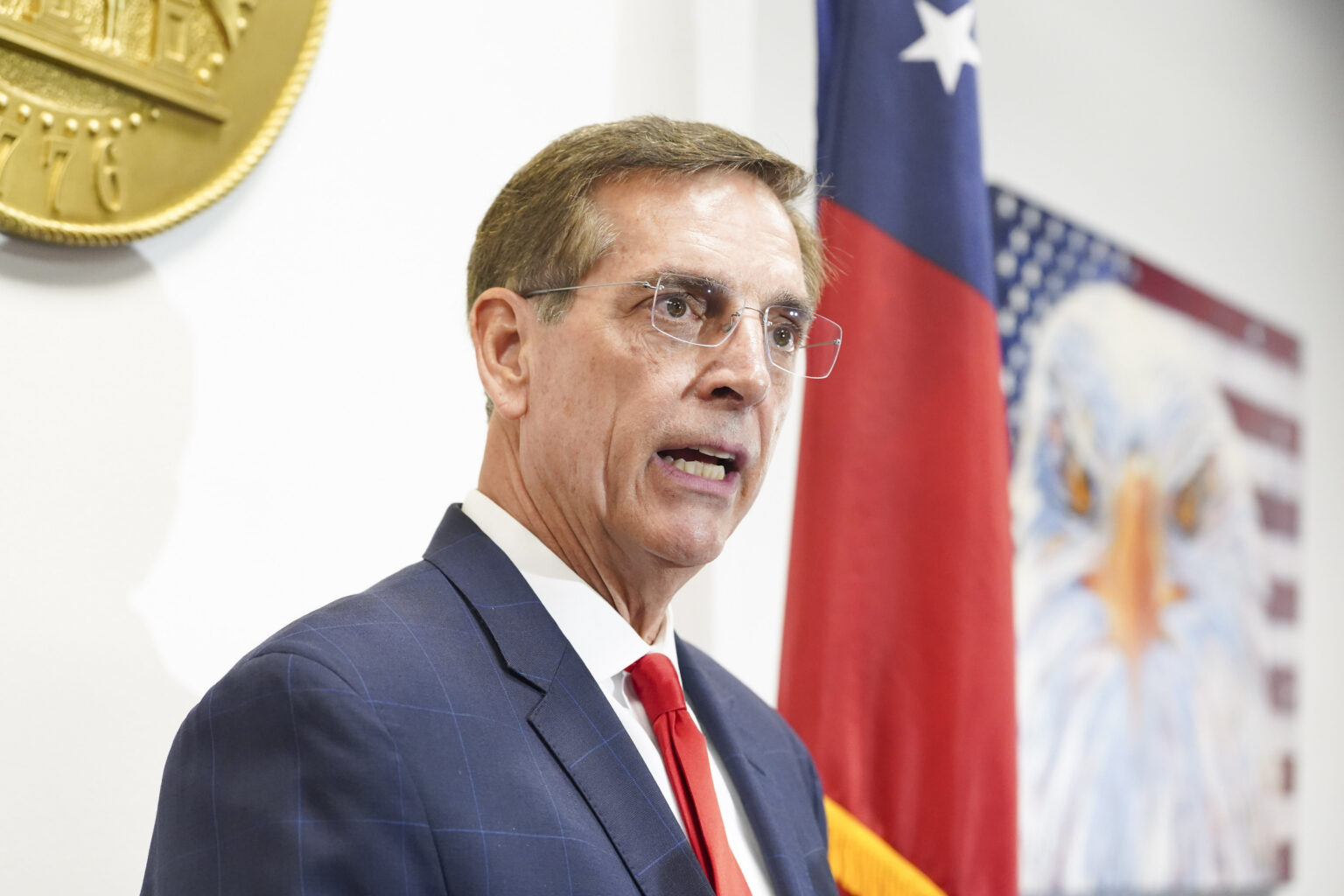
Georgia Secretary of State Probes Missing Votes That Flipped Key House Race
Georgia Election Chief Opens Probe Into Late Vote Upload That Flips State House Race On Friday, an inquiry...
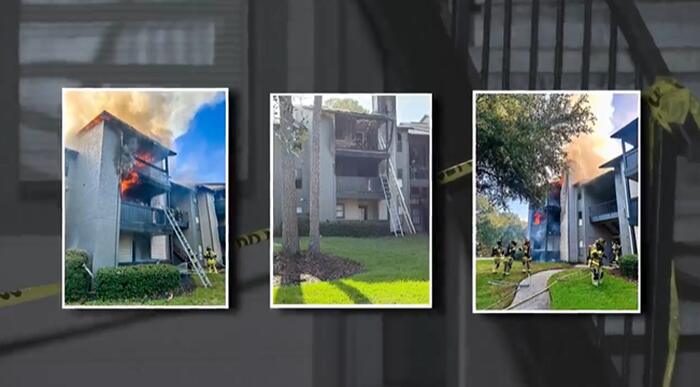
11 Displaced After Apartment Fire at Mandarin Lakes in Jacksonville
Early Morning Flames at Mandarin Lakes Apartments Force Eleven Residents Out An early morning fire struck the Mandarin...