
FAA Deploys First Digital Air Traffic Control Towers in Florida and Alaska
The Federal Aviation Administration announced that the nation’s first digital air traffic control towers are officially operational, bringing camera-based systems first to Bartow Executive Airport in Florida and Kenai Municipal Airport in Alaska, The Guardian reported.
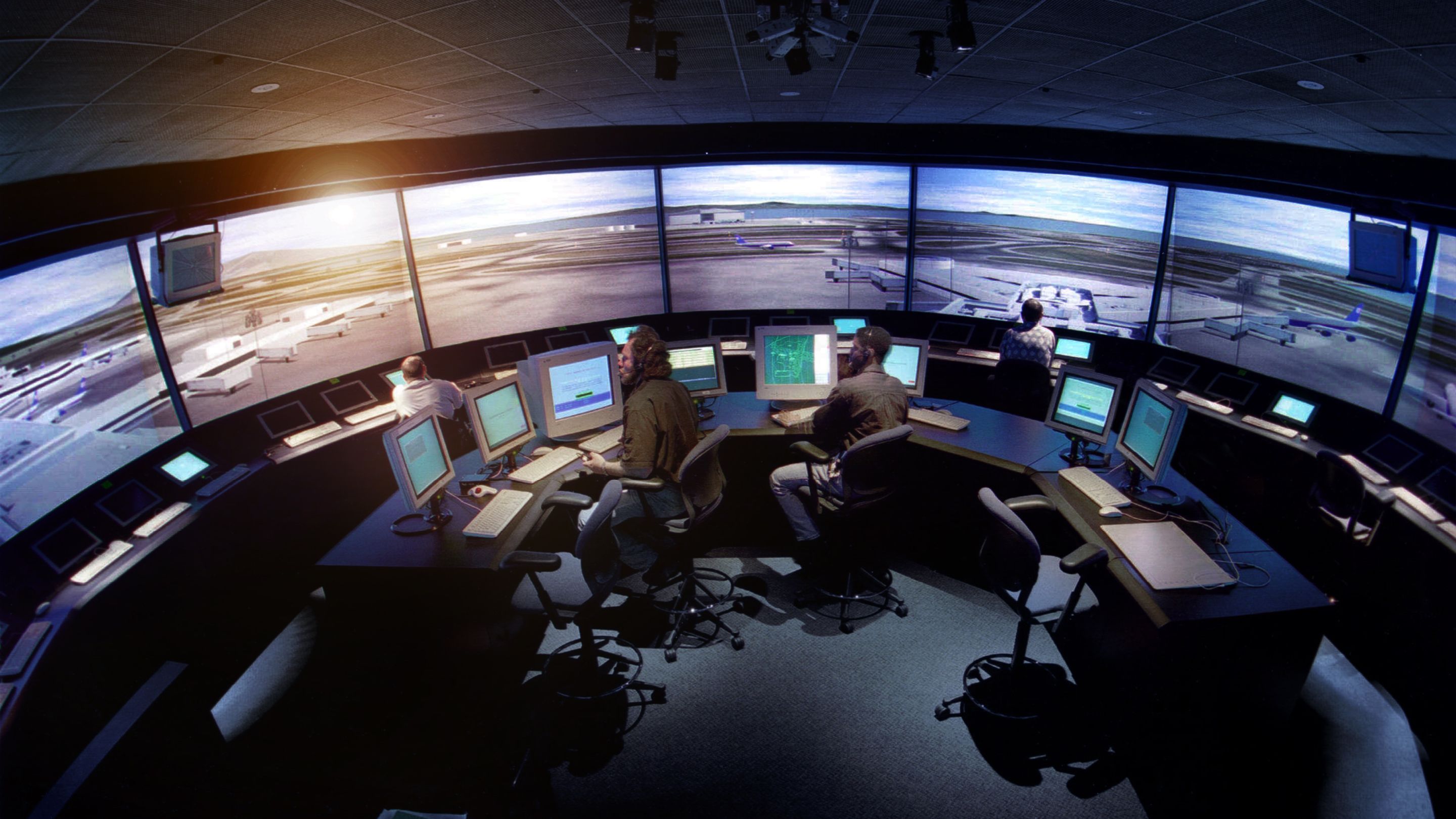
The rollout marks a practical step in modernizing regional aviation infrastructure. Instead of physical glass-walled cabs overlooking tarmacs, these digital installations rely on advanced camera networks and high-definition displays. This equipment feeds a continuous, 360-degree perspective of runways, taxiways, and the immediate airspace directly to controllers on site.
According to the FAA, five additional non-towered regional airports are slated to receive the technology next. That expansion includes Winter Haven Regional Airport in Florida, Venice Municipal Airport in Florida, Montgomery County Airpark in Maryland, Johnston Regional Airport in North Carolina, and Durango-La Plata County Airport in Colorado.
Agency leadership insists the digital upgrade is not an automated replacement for personnel. FAA Administrator Bryan Bedford emphasized that human controllers remain essential for directing traffic.
“Our air traffic controllers continue to do the critical job of keeping aircraft safely separated, and we’re giving them better technology to do that,” Bedford said in a statement. “Digital towers provide controllers with greater visibility of airport activity and more information to make critical decisions.”
The transition arrives as the federal government faces intense oversight regarding aviation safety and equipment reliability. Staffing levels across the national airspace system have drawn sustained scrutiny following a tragic 2025 midair collision between a passenger jet and a military helicopter near Washington, D.C., which claimed 67 lives. Investigators later classified that disaster as entirely preventable.
To address aging mechanical infrastructure, Congress approved $12.5 billion over five years in June 2025 to support air traffic control reforms. Even so, the Trump administration is pressing lawmakers for an additional $30 billion to accelerate upgrades across a national network that still relies on decades-old copper telecommunications lines, paper tracking strips, and legacy hardware.
Technology integration also extends beyond camera towers. In September, the agency rolled out a new artificial intelligence software tool called the Strategic Management of Airspace, Routes and Trajectories, known as Smart, which has further fueled public debate regarding automation in safety-critical roles.
Bedford is scheduled to testify before the House Transportation and Infrastructure Committee, where lawmakers are expected to press transportation officials on the pace, cost, and safety standards of the modernization initiative.

College of Idaho defeats Carroll College 66-50 in men’s basketball
Defense Does the Talking as Yotes Silence the Saints at Elgin Baylor Arena Defense sets the tone when...

HPU and UH-Hilo play in women’s volleyball match
Hawaii Pacific University and UH-Hilo played in a women's volleyball match. The matchup opened with intense defensive pressure...
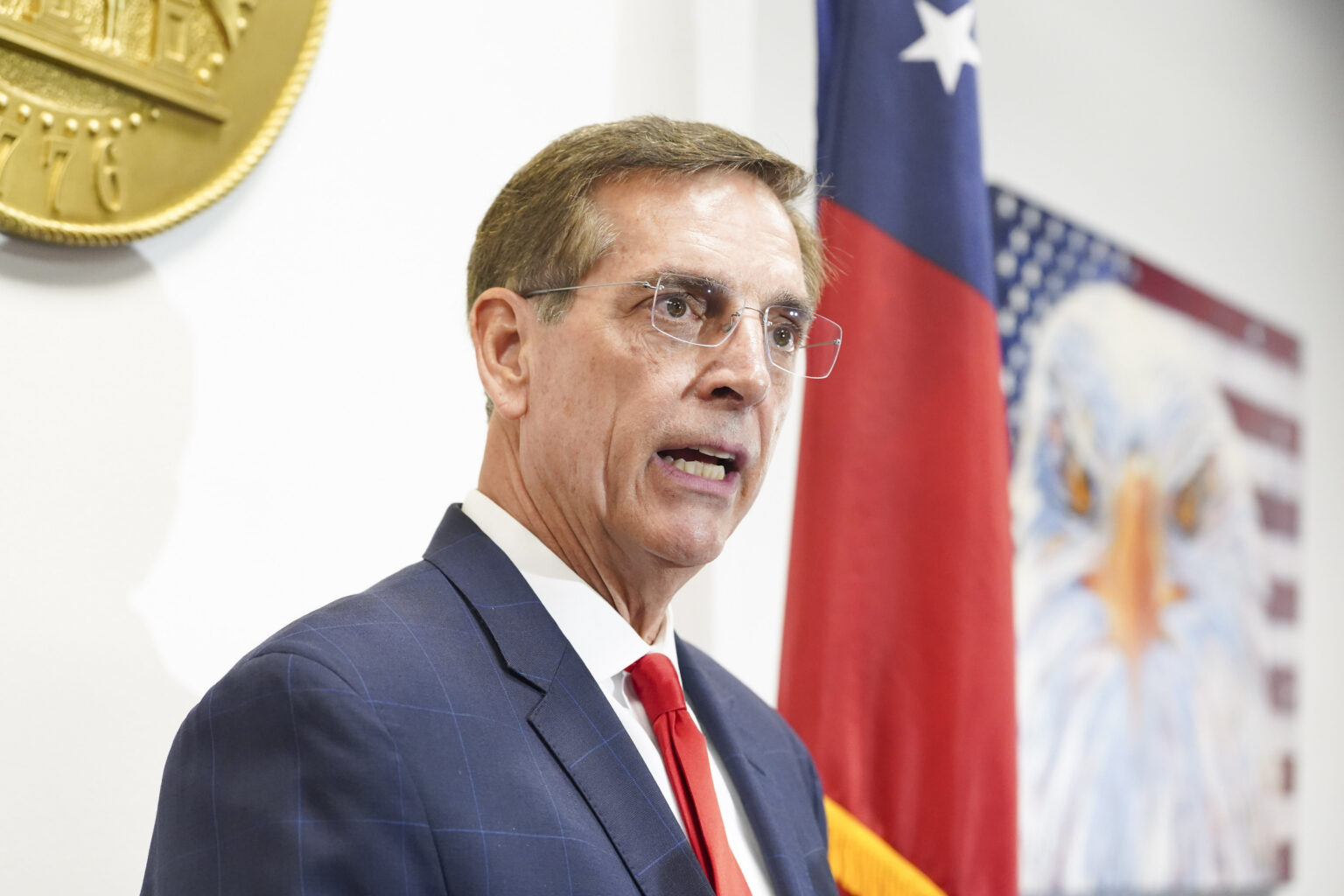
Georgia Secretary of State Probes Missing Votes That Flipped Key House Race
Georgia Election Chief Opens Probe Into Late Vote Upload That Flips State House Race On Friday, an inquiry...
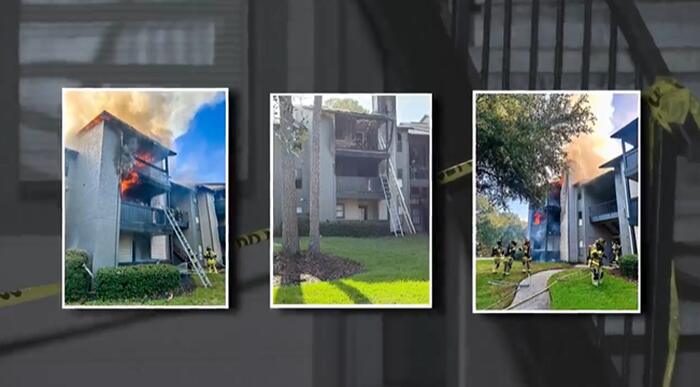
11 Displaced After Apartment Fire at Mandarin Lakes in Jacksonville
Early Morning Flames at Mandarin Lakes Apartments Force Eleven Residents Out An early morning fire struck the Mandarin...