
At 86, Ural Thomas still commands the room, a fact Oregon Public Broadcasting captured when the soul veteran and his band, The Pain, took over the Think Out Loud studio for a live performance this week.
Thomas’s return to the stage marks a second act most musicians never get. In the 1950s, he shared bills with Stevie Wonder, Etta James and Otis Redding. Then the spotlight moved on. Thomas stayed in Portland, writing songs and waiting, largely unseen, for more than four decades.
The pivot arrived in 2013 when Portland guitarist Scott Magee approached him about recording together. They formed Ural Thomas and The Pain, released a debut album on a local label in 2016, and have put out three records since, including 2022’s Dancing Dimensions. The output is startling for any artist, let alone one who spent half a century off the commercial grid.
“I never really left the scene,” Thomas told opb. “I was just writing and creating new music, waiting for the right time and the right people.”
Magee, who produced the albums and leads the band, said the chemistry was immediate. “Ural brings a history you can’t replicate,” he told opb. “The band’s job is to get out of the way and let that voice do the work.”
The Think Out Loud appearance aired at noon and repeats at 8 p.m., giving listeners a rare chance to hear the full arc — from the Chitlin’ Circuit to a Portland studio — in a single hour.
Thomas was born in Louisiana in 1939 and moved to Portland as a child, attending Jefferson High School. Before returning to Portland in 1968, he logged more than forty appearances at the Apollo Theater and shared bills with James Brown alongside the acts previously noted.
For decades he held weekly jam sessions at home, a practice begun in the 1970s, before Scott Magee approached him in the early 2010s after learning he still lived in the city.
Portland’s soul lineage runs deeper than the city’s rock reputation suggests. Thomas’s career is living proof that the music didn’t disappear; it just went private until a younger generation of players decided it was worth amplifying again.

Mayor Mamdani Announces Disbanding SRG That Arrested Him Twice
Mayor Zohran Mamdani announced Monday that he is disbanding the NYPD's Strategic Response Group, the same elite tactical...
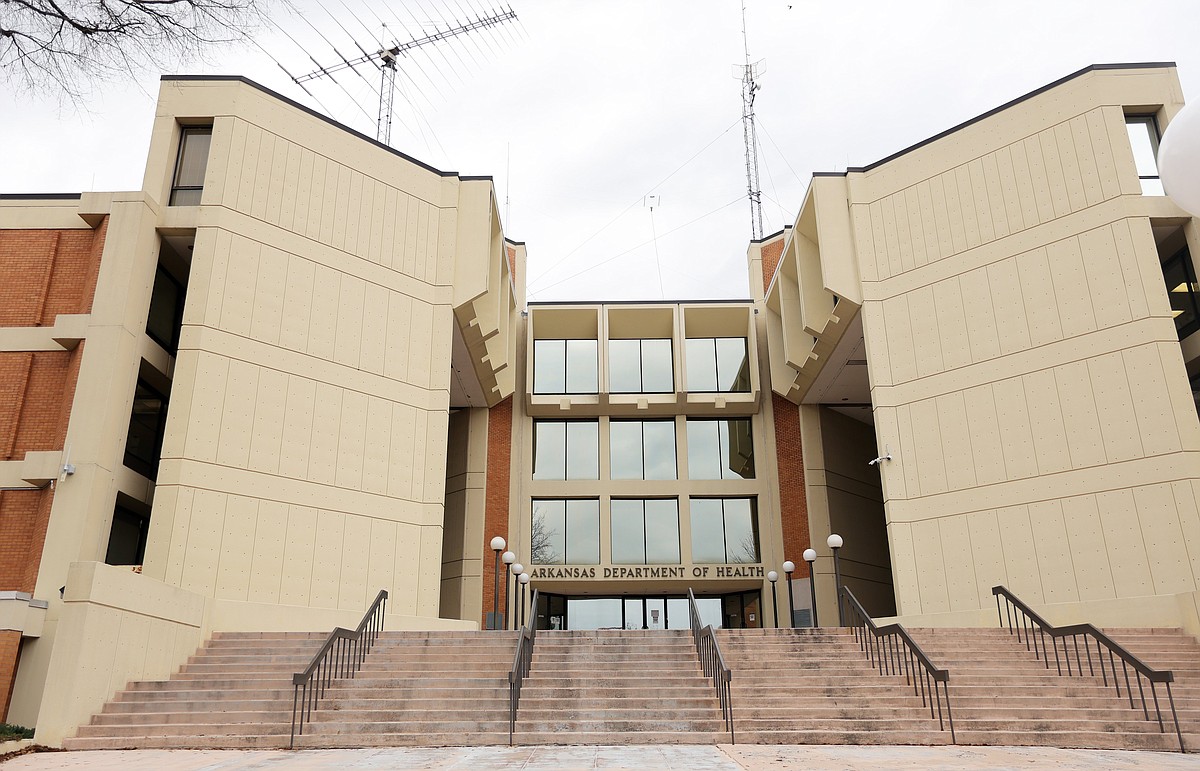
Arkansas Reports First 2026 Measles Cases: Five Probable Infections Linked to Out-of-State Travel
Arkansas has recorded its first measles cases of 2026, five probable infections in unvaccinated Lawrence County residents exposed...
Missouri Funds Midwife Training but Keeps Laws That Drive Them Away
The state is spending nearly $1 million to build its first nurse-midwifery program while requiring a physician’s signature...

Former Army Supervisor Accuses Gov. Wes Moore of Stolen Valor Over Combat Claims
"It’s disingenuous to say he led soldiers into combat or did direct action activities in combat zones," said...