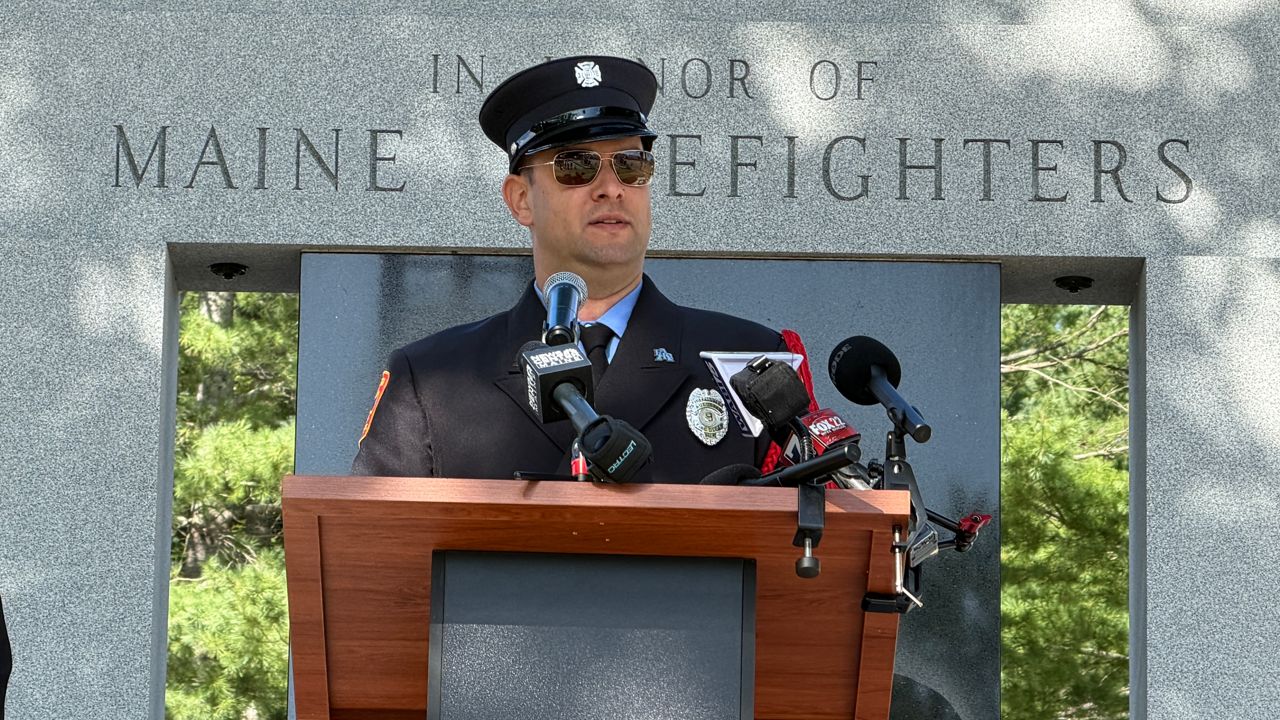
Twenty-five years after the terrorist attacks that reshaped the American landscape, the community in Augusta gathered on Friday to honor the first responders and victims of September 11, 2001. The ceremony, held at a memorial dedicated to fallen Maine firefighters, served as both a moment of mourning and a reflection on the enduring duty of public safety professionals, NY State of Politics reported.
For those in attendance, the passage of a quarter-century did little to dull the visceral memories of that morning. Many attendees recalled the exact moment they realized the scale of the tragedy, describing a sense of surrealism that remains difficult to articulate decades later. The event highlighted a specific connection between the local Maine community and the national trauma, emphasizing that while the world has changed fundamentally, the core mission of emergency services remains constant.
The enduring legacy of the first responder
Chris Giroux, a local firefighter and president of the local firefighter’s union, served as the emcee for the tribute. He spoke to the continuity of the profession, noting that the fundamental promise of emergency services has survived the decades.
Happy National Potato Day! 🥔 Growing up in Aroostook County & picking potatoes as child, I saw firsthand what potato farming means to Maine. It’s not just a crop, it's a way of life. I'm proud to stand up for our potato farmers, and today's a good day to say thank you for the… pic.twitter.com/h2PnKFTnst
“Twenty-five years later, the world is different, but one thing has not changed,” said Augusta firefighter Chris Giroux. “When someone calls 911, help is coming. When the alarm sounds, we still go. That is the legacy of Sept. 11.”
The personal toll of the attacks was felt deeply by those who witnessed the unfolding events from afar or lived through the immediate aftermath. Earl Bierman, who serves as the chief of staff for Maine House Republicans, shared his experience of watching the tragedy unfold while working as a firefighter for the Department of Defense in Winter Harbor. He and his brother-in-law drove to New York City immediately following the news, recounting the experience of seeing sights they never thought they would see again. Bierman noted that amidst the tragedy, the most striking element was the way people came together.
The ceremony also focused on the specific lives lost from the state of Maine. Senator Susan Collins identified several individuals whose names remain etched in the local memory, including Robert and Jacqueline Norton of Lubec, who were passengers on Flight 11, and Stephen Ward of Gorham, who was working for Cantor Fitzgerald in the north tower.
A call for national unity and resilience
The political and civic implications of the anniversary were addressed by Senator Collins, who recalled the chaotic atmosphere in Washington, D.C., on that day. She described the immediate evacuation of Senate office buildings by Capitol Police and her return to the Capitol that evening to sing “God Bless America” alongside her colleagues.

Beyond the personal recollections, the discussion turned to the broader sociological shifts caused by the attacks. Augusta Police Chief Kevin Lully observed that while the attacks forced massive changes to national security, intelligence sharing, and the public safety network, they also triggered a profound shift in the American social fabric.
Lully argued that the immediate aftermath saw a breakdown of traditional social barriers.

“An unprecedented wave of patriotism and community arose as a result of this attack,” Lully said. “We stopped seeing each other through the lens of political parties or personal beliefs. We were simply Americans standing shoulder to shoulder bound by shared grief, unyielding resilience and pride.”
As the ceremony concluded, the focus shifted from the grief of the past to the responsibilities of the present. Senator Collins urged Americans to draw inspiration from the courage displayed twenty-five years ago, calling for a return to a culture of respect and collective problem-solving. She framed the memory of the day not just as a historical marker, but as a standard for how the country should function—characterized by the same unity and resolve that defined the days following the attacks.

Western New Mexico scores 32-yard field goal Against CWU
Kainan Manna led a no-huddle offensive sequence that moved the ball deep into CWU territory, ultimately resulting in...
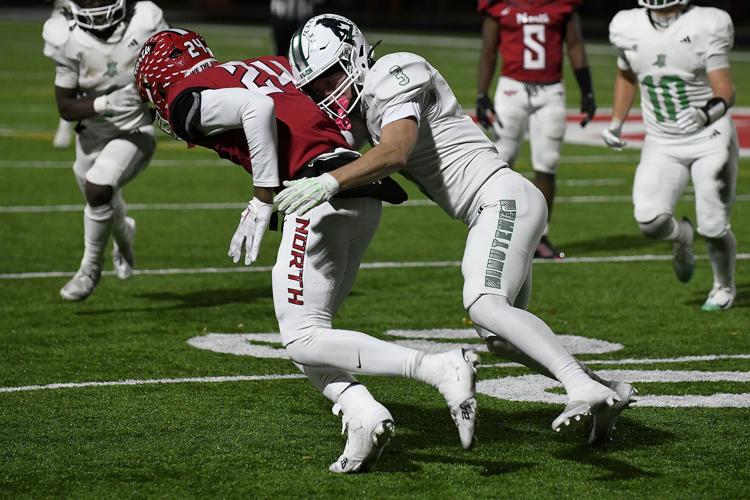
Concord Minutemen Win Class 5A Sectional Title With 38-14 Victory Over LaPorte
Concord Minutemen secure 38-14 sectional title win over LaPorte The Concord Minutemen relied on a wave of unexpected...

Nelson Bock examines religious friction in Helena, Montana
Nelson Bock examines religious friction in Montana Nelson Bock has identified a series of ongoing theological and social...

Mid-Missouri Open Burning Rules: Guidelines for Columbia, Jefferson City, and Surrounding Counties
As autumn leaves settle across Mid-Missouri, a patchwork of local fire regulations is taking effect, creating a complex...