
Nelson Bock examines religious friction in Montana
Nelson Bock has identified a series of ongoing theological and social conflicts within the religious landscape of Helena, Montana, according to a recent column in the Helena Independent Record.

The analysis, titled “Battles to fight,” suggests that the religious community in the state capital is currently navigating a period of significant internal tension. These disputes are not merely academic or theological; they represent deep-seated disagreements that impact how faith communities interact with one another and with the broader public in Montana.
Bock’s commentary highlights the complexities of maintaining religious cohesion in an era where traditional doctrines are being tested by modern social shifts. The “battles” referenced in the column point toward a struggle for identity and influence within local denominations, as well as the broader challenges facing organized religion in the American West.
While the specific doctrinal nuances of each conflict vary, a common thread appears to be the tension between institutional stability and the evolving expectations of individual congregants. This friction often manifests in debates over leadership, the interpretation of sacred texts, and the role of the church in addressing contemporary civic issues.
The social stakes of theological disputes
For the residents of Helena, these religious shifts carry implications that extend beyond the walls of the sanctuary. When religious institutions undergo significant internal realignment or conflict, the social fabric of the community often feels the ripple effects. This can influence local charitable efforts, community organizing, and the general tone of civic discourse.
The tensions described by Bock suggest a community in transition. As religious groups grapple with their own internal directives, the way they engage with secular Montana society is also being redefined. This creates a landscape where religious influence is both contested and undergoing a period of intense scrutiny.
The debate often centers on how much a religious organization should adapt to the prevailing cultural currents of the 21st century. On one side, there are those who argue for a strict adherence to historical tradition to preserve the integrity of the faith. On the other, there are those who believe that for religion to remain relevant and impactful, it must evolve alongside the society it serves.
This divide is not unique to Montana, but the specific geographic and cultural context of the region adds a distinct layer to the struggle. In a state where community ties are often built around long-standing local institutions, a fracture within a religious body can lead to broader social fragmentation.
The core of the issue remains whether these religious institutions can find a way to resolve their internal contradictions without losing their foundational purpose. The “battles” Bock describes indicate that for many in Helena, the resolution of these conflicts is a pressing concern that will shape the city’s cultural character for years to come.
Religious volatility in small-to-mid-sized cities often serves as a precursor to larger shifts in regional political and social alignments.

No. 10 North Dakota Beats No. 5 Western Michigan 4-1 in Series Finale
Ralph Engelstad Arena Finale Sees Fighting Hawks Hand Broncos 4-1 Defeat Grand Forks played host to a decisive...

Texas A&M Falls to South Carolina 17-9 Despite Rueben Owens II’s 137-Yard Performance
Texas a&M Slips to 1-5 in SEC Play After Defensive Battle in Columbia Saturday afternoon at Williams-Brice Stadium,...
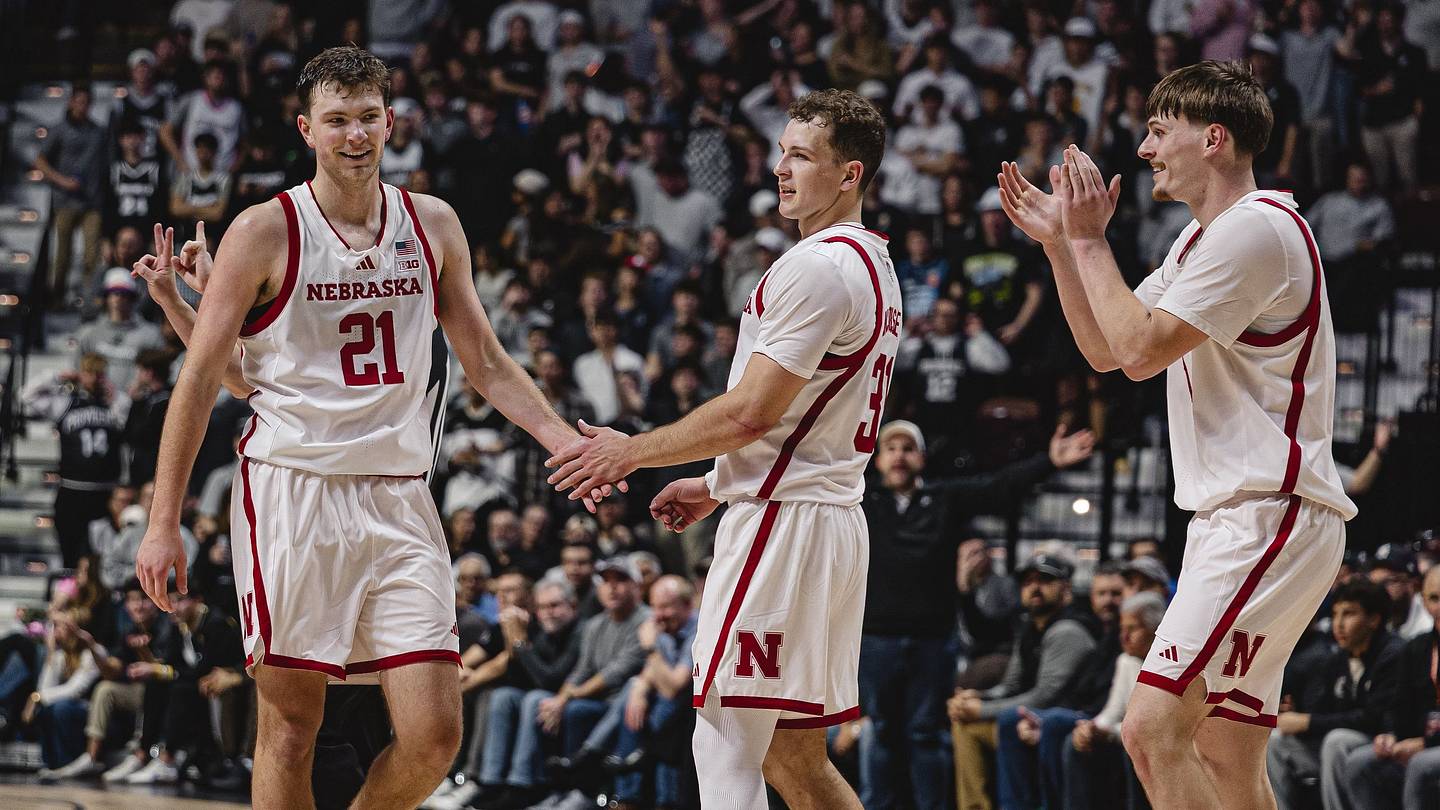
Nebraska Extends Regular-Season Win Streak to 24 After Beating Providence
Nebraska men’s basketball pushed its non-conference regular-season win streak to 24 games on Saturday, defeating Providence 67-58 at...

Gap Branch Library to Close Following Lancaster County Tax Defeat
Gap Branch Library Closure Triggered by Failed Lancaster County Tax Referendum The Gap Branch Library announced it has...