
Stealth Bombers Expand Maritime Reach With First Operational LRASM Strike
The United States military has quietly checked off a major milestone in Pacific deterrence, proving that its stealth fleet can pack a serious punch against enemy warships from well outside traditional missile range. During large-scale summer exercises across the Pacific, an Air Force B-2 Spirit stealth bomber successfully launched a Long-Range Anti-Ship Missile against a decommissioned Navy ship.
That June test, carried out north of the Mariana Islands during the Valiant Shield exercise, marked the first time the Air Force integrated the more than 200-nautical-mile weapon with its B-2 stealth bomber. For defense planners watching Chinese naval expansion in the Indo-Pacific, the successful sinking of the former USS Juneau amphibious transport-dock ship changes the tactical math of a potential Taiwan Strait crisis.
Extending Stand-Off Distance Against Modern Anti-Access Fleets
Distance is everything in modern naval warfare, where opposing air defense networks can trap surface fleets and traditional aircraft in a deadly bubble. By pairing the long reach of the stealth bomber with a heavy-payload anti-ship missile, the military aims to keep its high-value assets safe while threatening enemy invasion armadas.
“Range increases potency while mitigating risk,” wrote James Holmes, a professor at the Naval War College, in an analysis published by 19FortyFive.
A B-2 fleet carrying these weapons could penetrate within the PLA anti-access envelope. As Holmes noted, if a conflict erupted and bombers could neutralize a significant portion of a Chinese invasion fleet, they could temporarily deny China access to Taiwan.
The strategy hinges on scaling up inventory. The Air Force Life Cycle Management Center’s armament directorate announced plans in a July 2026 contract notice to acquire up to 11,200 Joint Air-to-Surface Standoff Missiles and LRASMs over a five-to-seven-year window, according to Air & Space Forces Magazine.
Pacific Exercises Test New Munitions and Autonomous Wingmen
The June test was only part of a broader summer campaign. Just weeks later during the Rim of the Pacific exercises off Hawaii in July, U.S. and allied forces deployed a mix of torpedoes and missiles, including additional LRASMs, to sink two more decommissioned hulls.
The exercises also served as a proving ground for next-generation technology. Alongside maritime strikes, forces in the Philippine Sea integrated anti-submarine warfare drills with the multinational debut of Australia’s MQ-28 Ghost Bat. The uncrewed collaborative combat aircraft flew side-by-side with crewed platforms like the F-15EX, F-35A, and F-35B fighters.
Building a Low-Cost Anti-Ship Arsenal Alongside Precision Bombs
The LRASM is not the only precision weapon entering the heavy bomber’s rotation. The Air Force Research Laboratory has also advanced the Quicksink program, a low-cost initiative designed to convert standard unguided bombs into smart maritime weapons.

Airmen assigned to the 393rd Bomber Generation Squadron loaded GBU-38 Joint Direct Attack Munitions into a B-2 at Whiteman Air Force Base as part of those capability demonstrations, according to U.S. Strategic Command imagery documentation. The B-2 first employed a Quicksink during the 2024 RIMPAC, followed by a joint test with Royal Norwegian Air Force assets in the Norwegian Sea in 2025 and another trial off the Florida coast.
As the military continues refining its high-end interoperability across allied fleets, the technological gap between traditional power projection and modern anti-access defense continues to narrow.
Worth a look

Cookie Plug Closes Its Virginia Beach Store
Dark Windows at Holland Plaza The building’s exterior sign is gone, the lights are off, and a simple...
Vermont to Receive $20M for Flood Recovery, Senator Welch Says
Vermont is set to receive $20 million in federal emergency funding to repair damages left behind by severe...
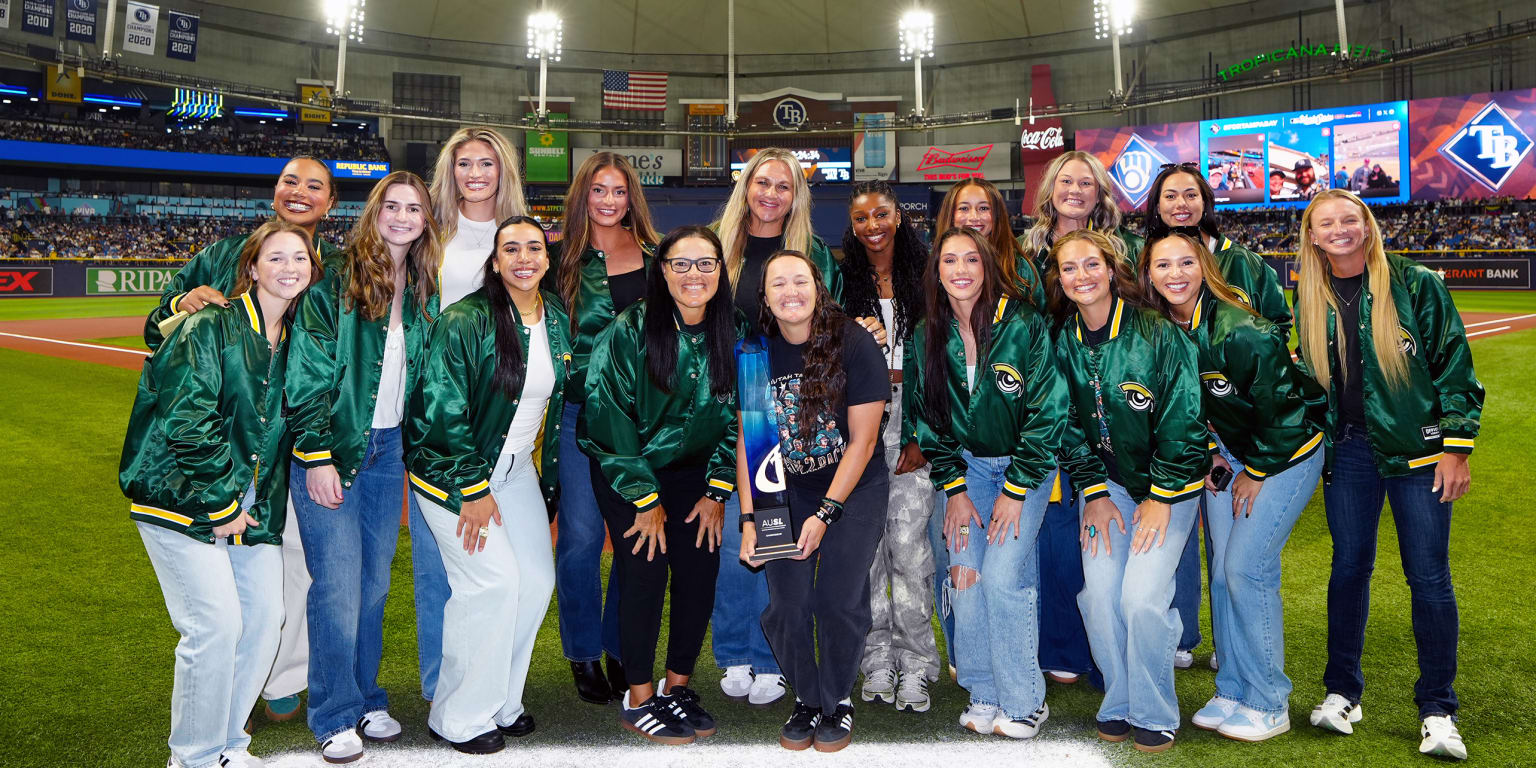
Utah Talons Celebrate Back-to-Back Softball Titles at World Series
As fans poured through the gates behind home plate prior to Game 4 of the World Series on...

WalletHub Names Austin the Best US College Town for 2027
Austin has secured the No. 1 spot as the best college town in America for 2027, according to...