- The Bipartisan American Affordability and Jobs Act passed the Senate with 14 Democrats joining Republicans.
- The 417-page bill narrows NEPA reviews, shortens tribal consultation timelines and limits judicial review of federal permits.
- The House, on recess until Dec. 1, must act before the new Congress is sworn in early next year.
- NRDC analysis says the bill quadruples the wetland area data centers can disturb without individual permits.
The Bipartisan American Affordability and Jobs Act targets the National Environmental Policy Act, the National Historic Preservation Act, the Endangered Species Act and the Clean Water Act.
It would limit which projects require environmental review, narrow the scope of those analyses and shorten deadlines for agencies to complete them. “It makes NEPA a dead letter,” said Martin Nie, a natural resource policy professor at the University of Montana, montanafreepress.org reported.
Section 1110 would prohibit judges from halting construction on public-lands projects even if the required NEPA process is skipped, according to NRDC. Section 1204 quadruples the threshold for streams and wetlands that can be filled without an individual Clean Water Act permit — from half an acre to two acres — a change NRDC said matches the Data Center Coalition’s top priorities.
BAAJA narrows which projects trigger consultation under the National Historic Preservation Act and shortens the timelines for tribal input. The National Congress of American Indians, the Native American Rights Fund and the National Association of Tribal Historic Preservation Officers have condemned the bill, saying it threatens cultural heritage and tribal sovereignty.
Gheri Hall, co-director and deputy of compliance for the Blackfeet Tribal Historic Preservation Office, said that without consultation “cultural sites can be permanently destroyed before we have the opportunity to identify, document and protect them.”
She told montanafreepress.org: “There are so many cultural sites out there that we don’t even know exist.”
The Crow Tribe in southeast Montana is among the few tribes supporting the bill. Chairman Frank White Clay wrote to senators that “overlapping federal reviews, bureaucratic delays, and unpredictable permitting timelines have hindered investment in Indian Country.”
The bill lets states replace the U.S. Fish and Wildlife Service as the consulting agency for federal projects that could affect listed species. Chris Westfall, senior government relations legislative counsel with Defenders of Wildlife, said roughly 90 percent of ESA consultations already finish in under two weeks. “The bill is a solution in search of a problem,” he told montanafreepress.org.
Westfall warned that shifting consultation to states would overwhelm them and could let project sponsors seek state approval when the federal government would not grant it.
BAAJA also exempts highway projects from ESA requirements, changes the definition of “best available science” and restricts permit updates when projects affect more species than originally anticipated.
The bill would weaken protections for wetlands under two acres and make it easier to drain or fill wetlands of any size. Mark Mariano of Montana Wetlands and Waterfowl said the U.S. loses more than 60,000 acres of wetlands a year.
Both Montana senators voted for the bill. Sen. Steve Daines said on X it would “deliver major wins for Montana” and “boost critical projects that create good-paying Montana jobs and strengthen made-in-Montana energy.” The House is on recess until Dec. 1; if it amends the bill, the Senate must vote again before the new Congress is sworn in early next year.

Arizona State fans enter Thanksgiving week with three programs trending upward
Arizona State fans enter Thanksgiving week with three programs trending upward after a decade of men's basketball stagnation,...
Prism and Pulse Opens Laser Tattoo Removal in Concord Township
Prism and Pulse, a laser tattoo removal business, has opened in Concord Township. ChaddsFordLive reported the business is...
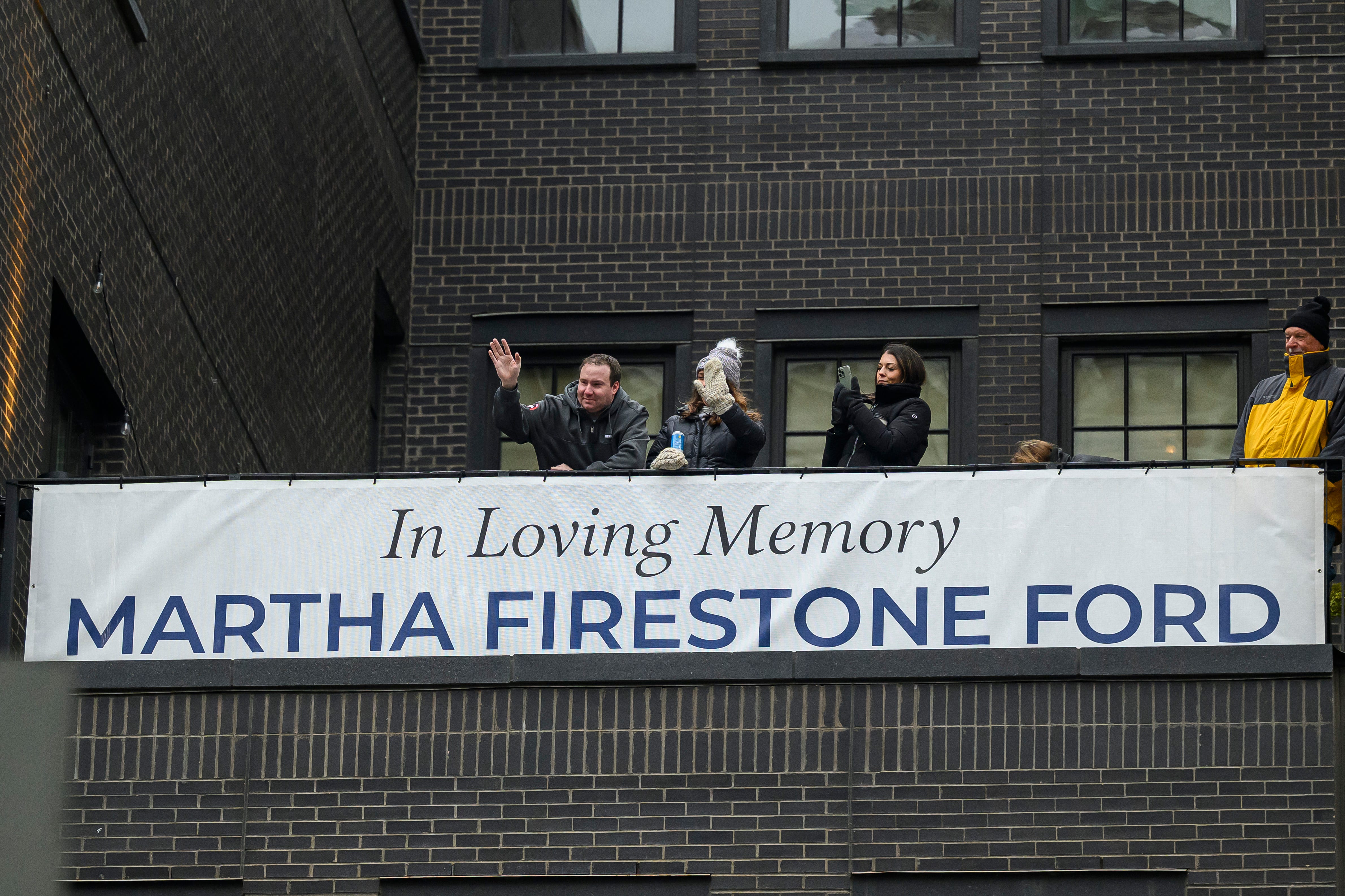
Dan Campbell Honors Martha Firestone Ford as ‘Special Woman’ After Lions Thanksgiving Loss
"She was always visible, and she's such a sweetheart," Detroit Lions coach Dan Campbell said after Thursday's Thanksgiving...
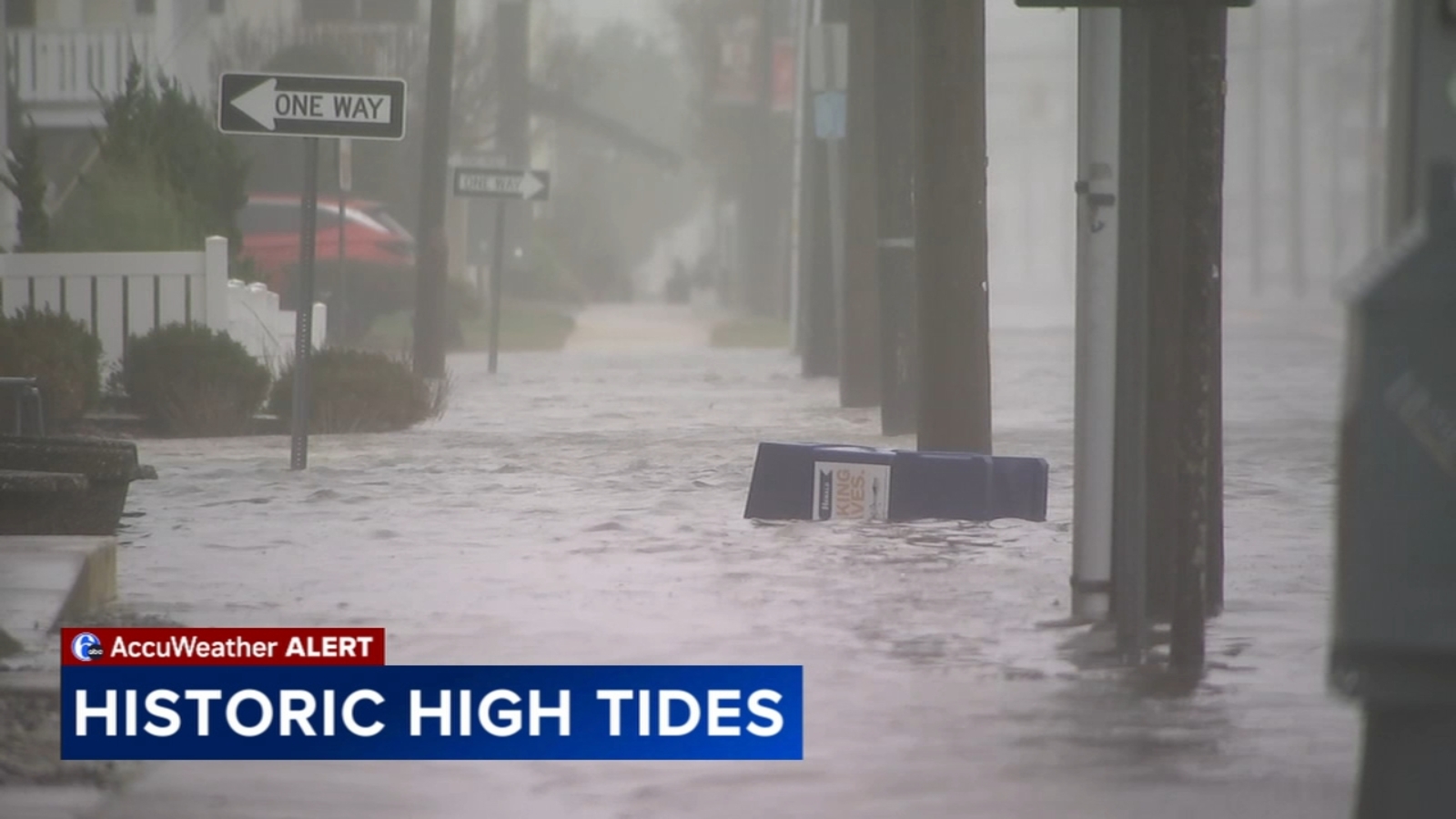
Jersey Shore Towns Restrict Travel Amid Powerful Thanksgiving Storm Flooding Region
Several Jersey Shore towns banned non-essential travel Thursday as a powerful coastal storm flooded roads and lashed the...