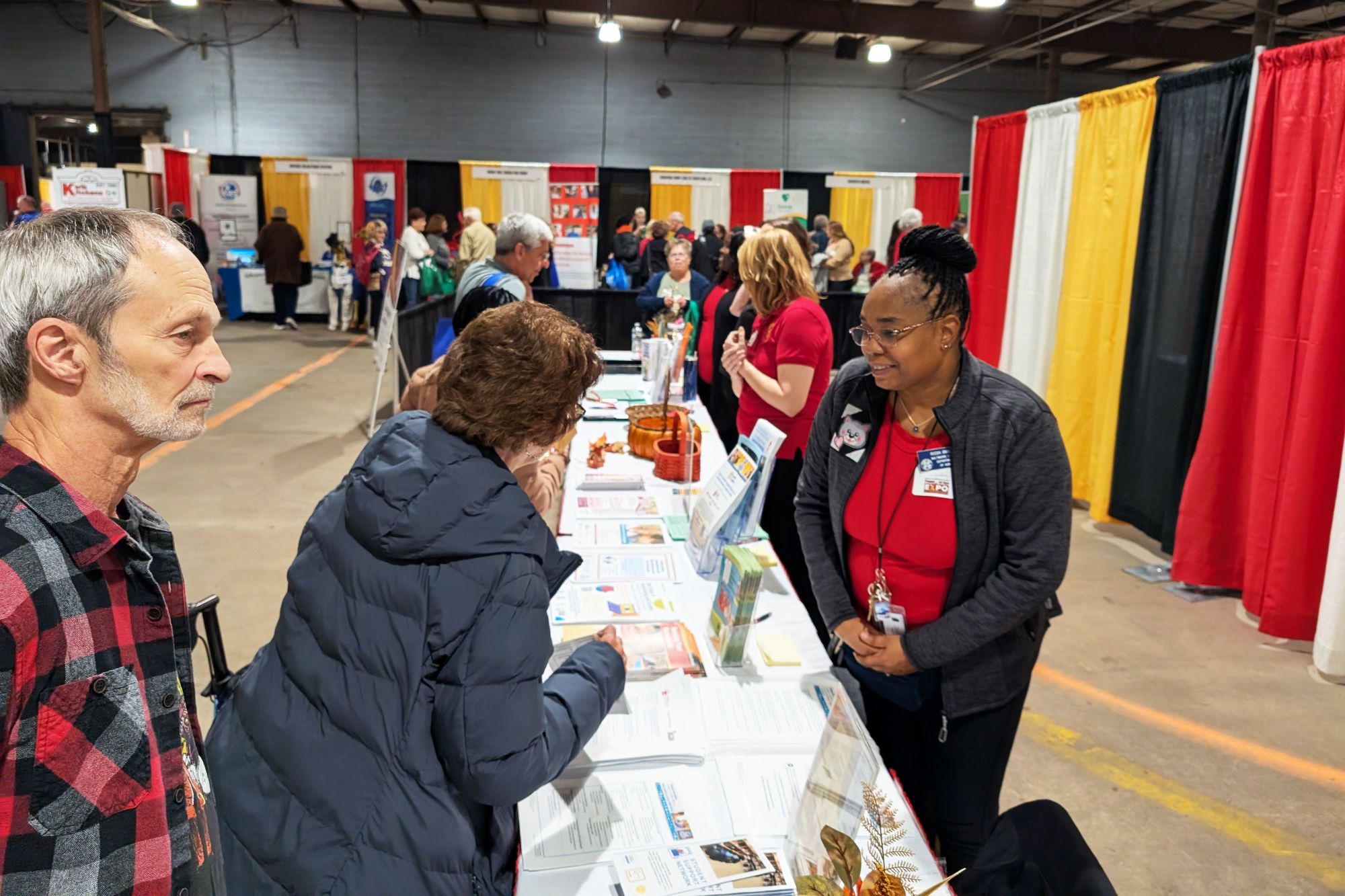
Baltimore County’s Department of Aging is expanding outreach for its Caregiver Support Program after hearing from families who found it too late, according to the program.
The program, funded by a grant from the National Family Caregiver Support Program, serves county residents over 60 and caregivers older than 55 looking after children under 18 or adults 18 to 59 with disabilities. It provides resources, referrals and stipends for costs Medicare does not cover, such as incontinence supplies, in-home services and nutritional consultations, said Kathleen Koenig-Stoffel, the program’s manager.
“A lot of people have to leave their jobs to care for relatives, so everything helps,” Koenig-Stoffel said.
Rehanna Khattak, a caregiver for her father after his stroke, said a caseworker emphasized respite from their first call.
“She said that if I need a break, I should take a break,” Khattak said. “If I burned out, there wouldn’t be anyone else to help him.”
Koenig-Stoffel said guilt often stops caregivers from using respite.
“A lot of times, the guilt caregivers feel taking time for themselves is overwhelming,” she said. “It takes a mental toll, so we try to emphasize self-care components in all of our programming.”
The county’s November caregiver conference features respite programming designed to give care recipients activities while caregivers participate in workshops. Program managers are recruiting volunteers to provide in-home respite.
Eram Abbasi, chief of Community Services at the Baltimore County Department of Aging, said 2027 partnerships with faith-based and cultural organizations aim to reach caregivers not currently contacting the county.
“In some cases, these are faith-based communities or cultural centers, so by partnering with those organizations, it will give us a chance to reach these caregivers that are not directly coming to us,” Abbasi said.
The county also works with schools to identify grandparents who serve as primary caregivers for students and hosts memory cafes with nonprofits. A monthly virtual support group connects caregivers with peers.
“I know it’s great to talk to us, but it’s better to talk to your peers,” Koenig-Stoffel said. “A lot of staff have been caregivers, so we have personal experience, but it’s really nice to hear from your peers and know that you’re not alone.”
Free access to the online platform Trualta offers on-demand training, including middle-of-the-night behavioral tips.
“If it’s the middle of the night and your loved one wakes up and they have a behavioral issue, you can just click on there and it’ll give you very quick, three- to five-minute tips to try to help you navigate that situation in the middle of the night,” Koenig-Stoffel said.
Khattak’s father has regained speech and uses his left hand after losing right-hand function.
He remains limited to his bed but has avoided complications.
“In two and a half years, he hasn’t had a single bedsore,” Khattak said. “The way they train people, the way they helped us figure out what we would have to do going ahead, I never expected any of that.”

Speed Skaters Gather in Lexington for Kentucky Thoroughbred Classic
Speed skaters from across the United States gathered in Lexington this weekend for the ninth annual Kentucky Thoroughbred...

Holiday Events and Parades Kick Off Across Lower Delaware
Holiday events open across Lower Delaware on Friday with tree lightings in Middletown and Rehoboth Beach, Bay to...
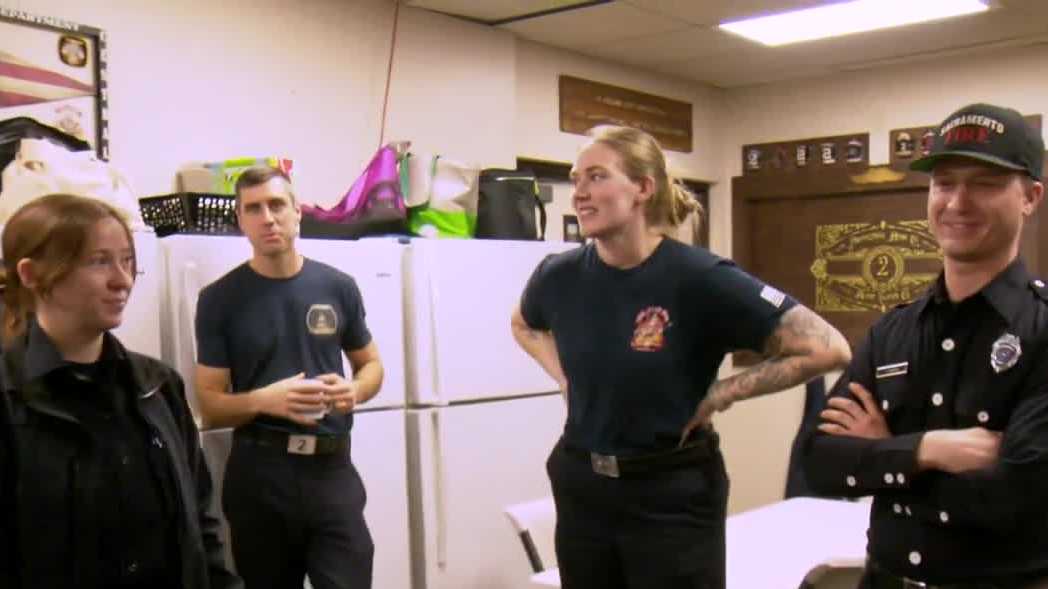
Sacramento Firefighters Handle Cooking Fires During 48-Hour Thanksgiving Shift
Sacramento firefighters at Station 2 answered multiple cooking fires while working a 48-hour shift on Thanksgiving Day. The...

Metro Phoenix Holiday Light Guide 2026: 7 Major Displays Open for Season
Metro Phoenix holiday light displays opened Friday night across seven major venues, with Glendale Glitters and the Arizona...