Vermont state employees must return to the office starting Jan. 10 under a mandate emailed Nov. 13 after a Sept. 25 court ruling reinstated Gov. Phil Scott's authority.
The mandate, communicated to staff by email on Nov. 13, follows a unanimous Sept. 25 high court ruling that reinstated Gov. Phil Scott’s authority to set the policy after the Vermont Labor Relations Board had struck it down in April.
The decision affects a workforce that still relies heavily on remote arrangements established during the Covid-19 pandemic. A staff survey last fall indicated that over 3,000 of Vermont’s roughly 8,000 state employees worked from home three or more days per week, according to VTDigger. Before 2020, only about 9% of the workforce had worked more than one day per week remotely, an earlier survey showed.
Human Resources Commissioner Kristin McClure told staff in her email that all existing remote work agreements would become “null and void” as of Jan. 10. “The decision to require some level of in person work is not based on individual performance or productivity,” McClure wrote. “As an enterprise, the State needs a workforce that is more regularly and consistently connecting in person in support of Vermonters.”
If they do not have an approved telework request, staff must be onsite for all working hours.
The Vermont State Employees’ Association, which represents roughly 6,000 workers, opposed the policy from the start, arguing it bypassed a required bargaining process. Executive Director Steve Howard said in an interview last week that he expected a substantial number of employees to resign in the coming months.
“The most highly qualified employees, he said, will have the easiest time finding roles elsewhere,” VTDigger reported. Howard added that attrition could occur over months as staff find the required commute untenable or are unable to secure housing or childcare near the office.
The Department of Human Resources pushed back on that projection. The state has not released a count of the positions affected by the mandate, and the union has not quantified how many workers might leave, Vermont Post reported.

Financial and operational concerns raised
A Department of Environmental Conservation employee told VTDigger the mandate places a heavy financial burden on staff who maintain home offices and said it also costs the state. The administration previously outlined a roughly nine-month compliance period for out-of-state workers to meet the return-to-office requirement, according to VTDigger.
VTDigger reported that Ted Fisher, a Department of Human Resources spokesperson, acknowledged in a Tuesday email that only a handful of entities continue to face space challenges.
Telework request process detailed
Employees may request up to two virtual work days per week, but supervisors have full discretion to approve or deny those requests, VTDigger reported.
Vermont Post reported that supervisors must review telework agreements every six months.
Vermont’s small population of roughly 644,663 and its dispersed, rural geography — marked by the Green Mountains separating Lake Champlain from the Connecticut River Valley — shape workforce logistics for its approximately 8,000 state employees, many of whom face long commutes or limited housing near Montpelier, the nation’s least populous capital.
The state’s progressive political culture, evident in early recognition of same-sex unions and 99.9% renewable electricity generation, coexists with a labor environment where the Vermont State Employees’ Association represents about 6,000 workers and has historically contested unilateral policy shifts through bargaining requirements and legal challenges.
The mandate was first implemented in December 2025. In April, the Vermont Labor Relations Board struck it down, finding Scott had failed to bargain in good faith. The governor appealed to the Vermont Supreme Court, which ruled unanimously in his favor.
“The Governor’s assessment of the operating needs of his administration was reasonable, and it is not up to this Court to assess the wisdom of that decision,” Associate Justice Nancy Waples wrote in the decision.
- St. Paul Leads Minnesota in Copper-Theft Convictions, Yet 4,000 Streetlights Stay Dark
- Commodore Barry Bridge Closed Through Nov 28 After Storm Damages Work Platforms
- Jackson State vs Delaware in Newark Saturday for Regular-Season Finale (world-today-news.com)
- Guinea-Bissau's military leaders delay return to civilian rule until 2028 (newsarchyuk.com)

St. Paul Leads Minnesota in Copper-Theft Convictions, Yet 4,000 Streetlights Stay Dark
St. Paul has secured more copper-theft convictions than any Minnesota city, yet roughly 4,000 of its streetlights remain...
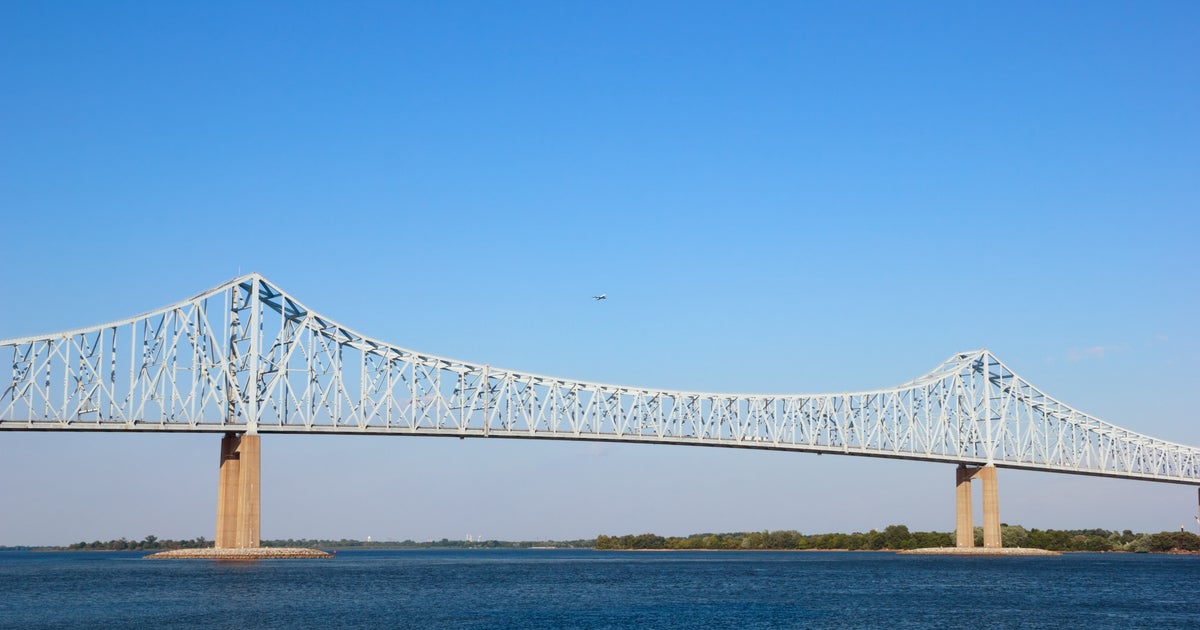
Commodore Barry Bridge Closed Through Nov 28 After Storm Damages Work Platforms
The Commodore Barry Bridge is closed in both directions through Saturday, November 28, after powerful winds from a...

Analyses Find Old Assembly Map Would Have Protected WI Republicans, Two Analyses Found
Democrats won 53 of 99 Assembly seats this month, but under the 2022 map the same votes would...

Forbes India Unveils ‘The Changemakers’ List Profiling Leaders Across Tech, Healthcare, Fragrance, Real Estate, Education and Skincare’
Forbes India released its digital edition "The Changemakers: India's Leaders of Progress" on November 25, profiling entrepreneurs across...