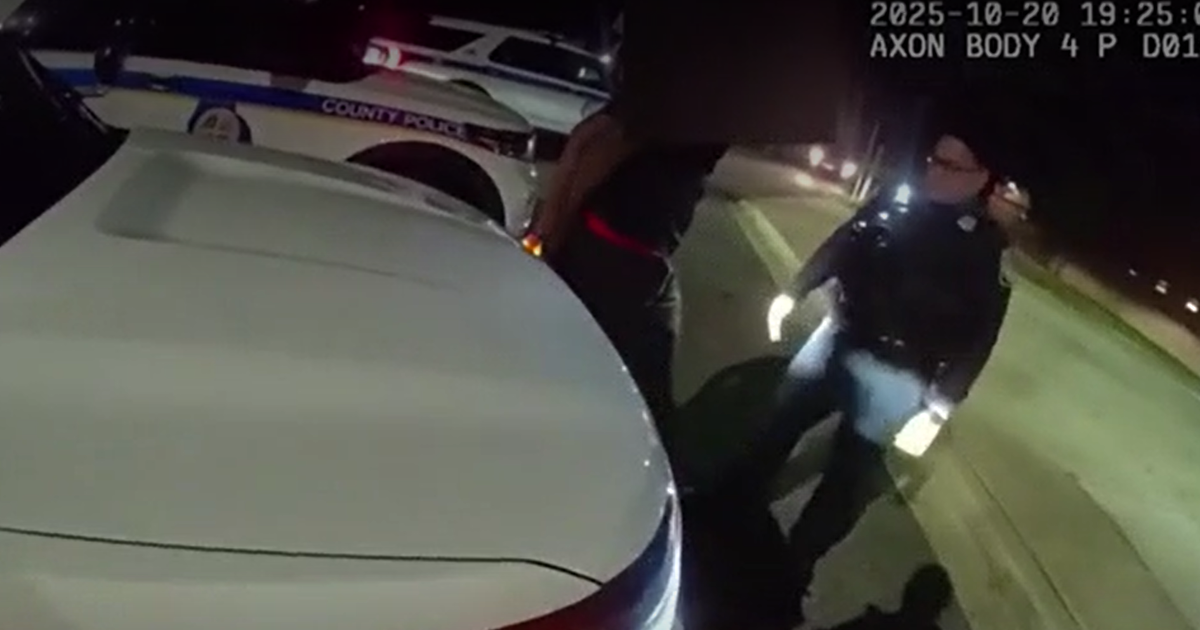
Four teenagers waiting for a ride outside Kenwood High School in Baltimore County found themselves staring down the barrels of police weapons last year, all because an artificial intelligence system misidentified a bag of Cool Ranch Doritos as a firearm.
The incident, which took place on October 20, 2025, has now moved from a traumatic local event into a formal courtroom battle.
A lawsuit filed on November 17 in the Baltimore County Circuit Court alleges that the students’ constitutional rights were violated when local police, acting on an alert from the Omnilert AI detection system, surrounded and handcuffed the group.
According to the complaint, the students—who were waiting for a parent after football practice—were forced to their knees on the concrete while officers searched for a weapon that did not exist. The legal action, brought by the Lawyers’ Committee for Civil Rights Under Law along with Willkie Farr & Gallagher LLP and Engel Law Group, P.C., names the school district, the police department, and Omnilert as defendants.
Last October, eight Baltimore County Police Department officers responded to the alert with guns drawn, forced the students to their knees, handcuffed them and searched their pockets over a bag of Doritos. https://t.co/PbjqusPaM3
The core of the dispute lies in how a technological alert escalated into a high-stakes police encounter. Attorneys for the students argue that while the AI system initially flagged a 90% probability of a gun on campus, school and police personnel reportedly determined the alert was invalid shortly after it was generated.
Despite this, the police response proceeded anyway. As NBC News reported, the lawsuit alleges that the school’s principal sent a screenshot of the footage to a school resource officer, who then forwarded it to the police department, triggering the armed response.
“The police told my son this could have been a real problem. No child in Baltimore County should face this kind of danger while waiting outside his own school for a ride home from his mother,” said Freida Winfield, a parent of one of the students, in a statement cited by USA Today.
The Maryland Office of the Inspector General for Education investigated the event in November 2025. Their report concluded that the escalation was the result of “human error and training gaps” rather than systemic bias within the software. According to the findings, an employee failed to properly note the cancellation of the alert before sharing the image with law enforcement.
The report also clarified that the system did not specifically identify a chip bag as a weapon, but rather triggered an alert based on the student’s hand movements, position, and the reflective properties of the object held.
This incident highlights the growing friction between the deployment of public safety technology and the practical realities of school environments. While proponents of AI surveillance argue these tools provide an essential layer of security, critics point to the potential for catastrophic false positives.
The lawsuit seeks to bar Baltimore County Public Schools from using the Omnilert system until the district adopts more rigorous training and verification protocols. It also demands greater transparency regarding how these tools are integrated into daily law enforcement operations.
The defendants maintain that the technology functioned as intended. An Omnilert spokesperson told CBS News Baltimore that the system successfully flagged a potential threat and routed it for human assessment within seconds, noting that the company’s involvement ended once the event was marked as resolved. Then-Superintendent Myriam Rodgers also defended the process at the time, stating that the program was designed to provide a signal for human review.
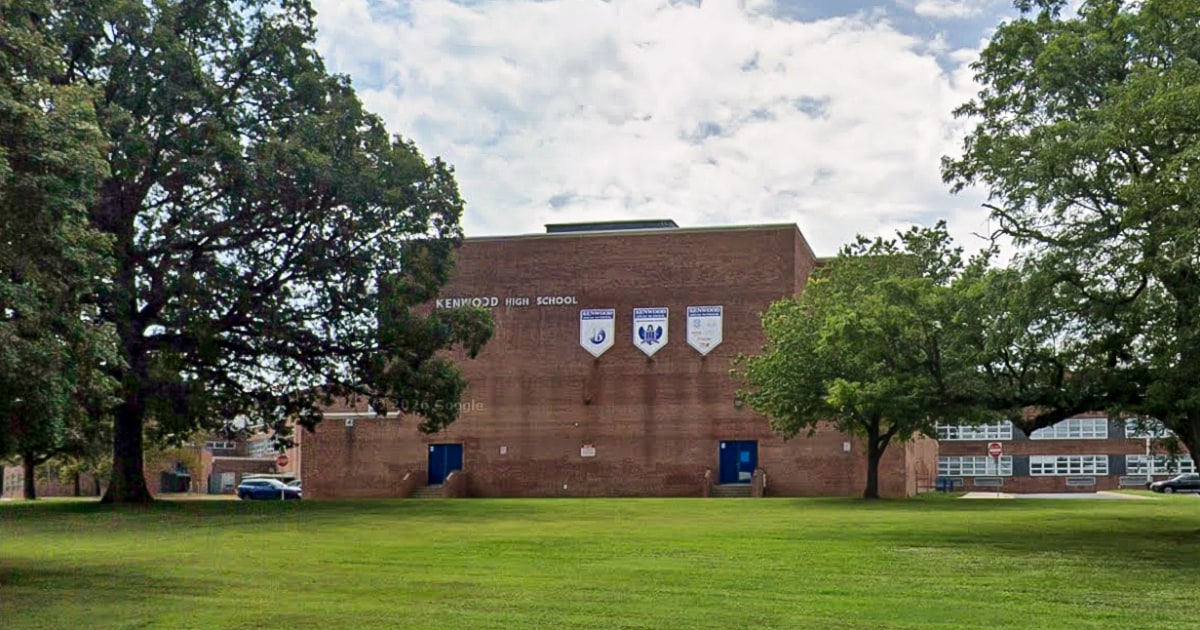
However, the human cost of that “signal” remains the focus of the current litigation. Beyond the physical detainment, the lawsuit claims the situation was further exacerbated by the response from school leadership. According to NBC News, the complaint alleges that the school’s principal joked about the incident in a text message to administrators, writing, “It was a bag of chips” accompanied by crying-laughing emojis.
As the case proceeds, it forces a broader reckoning regarding the constitutional protections afforded to students in an era of automated surveillance. The fundamental question of whether schools can effectively balance the use of high-tech security tools with the necessity of protecting students from the risks of over-policing remains unanswered.
For now, the Baltimore County Police Department has declined to comment on the pending litigation, and the school district has yet to provide a response to the latest allegations.
Earlier coverage: AI Mistakes Doritos Bag for Gun, Triggering Armed Police Response at Baltimore School
More on Kenwood High School
Baltimore high school student Taki Allen was swarmed by police after an artificial intelligence system apparently mistook his bag of Doritos for a gun https://t.co/LYgtlPqaAr pic.twitter.com/yWwO2y5ge8
Baltimore police handcuff student after AI mistakes Doritos bag for a gun. More info: https://t.co/jxIkEUP1sZ pic.twitter.com/B44XwkRnin
🚨#BREAKING: A 16-year-old student says he’s now terrified to go back to school after an AI system mistakenly sent more than 20 police officers after him after a gun detection software falsely flagged a Doritos bag as a firearm. leading armed officers to hold the student at… pic.twitter.com/VxFhXymFpY
A kid ate Doritos at his high school and an AI-powered gun-detection system mistakenly flagged the bag of chips as a weapon. Police were called and when they showed up, they pointed guns (real ones) at the student. https://t.co/TvTO4RIPzC
Keep reading
Ohio House Advances Bill to Lower Concealed Carry Age to 18
The Ohio House passed legislation on November 18 that would lower the minimum age for carrying a concealed...

Colorado State Rallies Past North Dakota State 71-64 Behind Jorgensen’s 17 Points
Colorado State secured a 71-64 victory over North Dakota State on Wednesday in Fort Collins, rallying from a...

NY Senate Democrats Re-elect Stewart-Cousins as Majority Leader, Lift Term Limits for Supermajority
Senator Andrea Stewart-Cousins secured another two-year term as New York State Senate majority leader on Monday, emerging at...

Newark Holiday Calendar: Turkey Trot, 40th Thanksgiving Breakfast, Winterfest Changes, Menorah Lighting
As the holiday season approaches, Newark prepares for several traditions, including the 40th anniversary of the community breakfast...