
Bangladesh rejected reported Indian conditions for the return of deposed Prime Minister Sheikh Hasina on Tuesday, insisting no foreign power can dictate terms to a sovereign state.
Prime Minister Tarique Rahman’s Information Adviser Zahed Ur Rahman told reporters at the Bangladesh Secretariat that Dhaka “will reject any unjust terms” regarding the extradition of Hasina, who has lived in India since fleeing a student-led uprising in August 2024. “Neither India nor any other country can dictate terms on this,” he said, adding he did not believe New Delhi would actually attach conditions to her return, The Hindu reported.
The pushback follows a BBC Bangla report on November 12 alleging that India had set two primary conditions: that the Bangladesh Army directly receive Hasina via military flight or land crossing, and that Dhaka guarantee her right to appeal a death sentence and a fresh trial on crimes against humanity charges.
State Minister for Foreign Affairs Shama Obaid Islam categorically denied those discussions ever took place. “No, not at all, we have had no such conversations with them on this matter,” she told reporters, according to NDTV and the Dhaka Tribune.
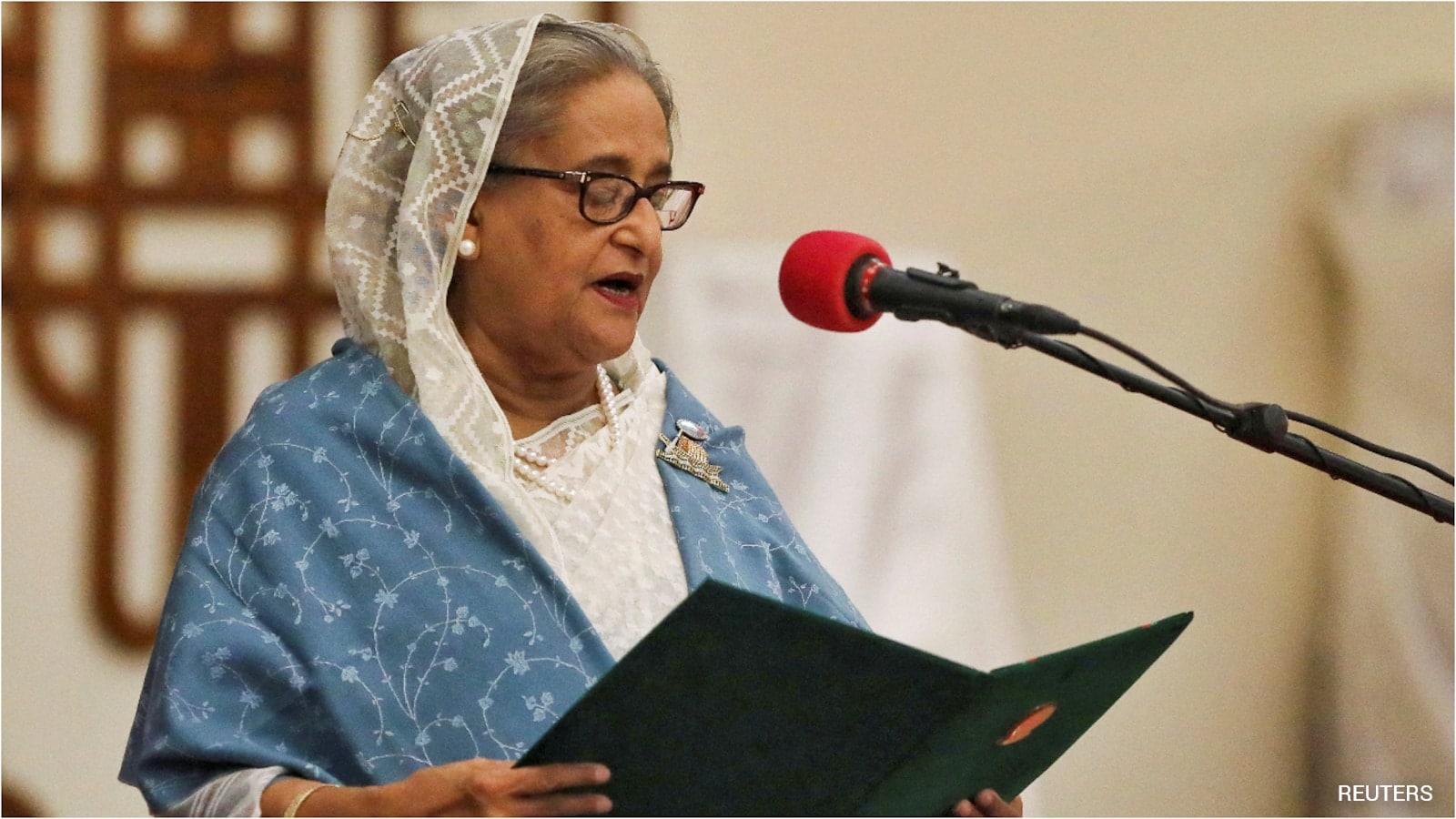
Hasina, 79, was convicted in absentia by Bangladesh’s International Crimes Tribunal in November 2025 for her role in the crackdown on protesters during the July–August 2024 uprising. She received a death sentence on one charge and life imprisonment on another, verdicts she has rejected as illegitimate.
Bangladesh formally requested her extradition under a bilateral treaty, but legal experts cited by The Hindu have questioned the treaty’s applicability in her case. Law Minister M. Asaduzzaman said Saturday that Dhaka has completed its legal obligations. “We have completed everything required from our side as part of the legal process. What they will do is up to them,” he told reporters.
The sovereignty argument
Zahed framed the dispute as a test of Bangladesh’s post-uprising independence. “After August 5, 2024, Bangladesh has stood tall with its head held high as an independent and sovereign state,” he said, “and nothing can be extracted from Bangladesh through any unjust pressure or conditions.”
He emphasized that any trial upon Hasina’s return would proceed strictly under domestic law. “The government has formally requested her return in light of the extradition treaty. Her trial will be conducted under the prevailing laws of Bangladesh,” he said.
Shama echoed that sentiment, telling the Dhaka Tribune that the reported Indian demands “have no basis in Bangladesh’s laws.” She also questioned whether Hasina’s citizenship guarantees her a passport, noting that relevant laws do not require the government to issue travel documents to convicted criminals.
“Bangladesh-India relations are a much bigger deal than Sheikh Hasina,” Shama said, urging against giving the issue outsized importance while acknowledging Dhaka cannot ignore Hasina’s activities in India if they aim to destabilize the country.
India’s calibrated stance
New Delhi has avoided confirming or denying the BBC report. On Friday, Ministry of External Affairs spokesperson Randhir Jaiswal described extradition as a legal matter to be handled accordingly. “India desires a positive, constructive and forward-looking relationship with Bangladesh,” he said.
Jaiswal also addressed the postponement of the India-Bangladesh Consular Dialogue, originally scheduled for November 17–18 in Dhaka, saying it was deferred to a mutually convenient date and not cancelled, Prothom Alo reported.
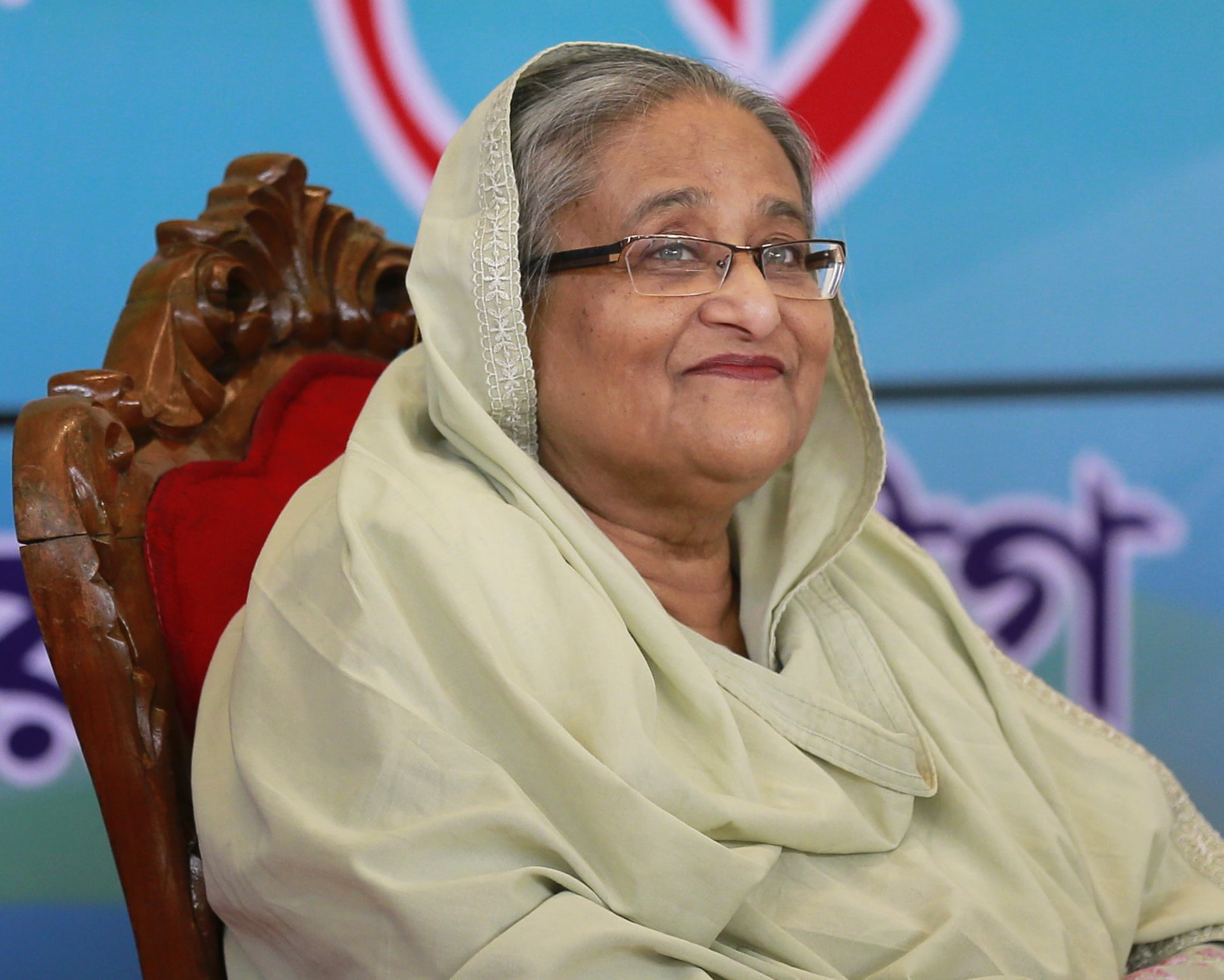
India Today, citing the BBC report, said New Delhi seeks guarantees that the Bangladesh military oversees Hasina’s secure return and that she receives a fair appeal process under international scrutiny.
The Guardian reported that Hasina applied for a new passport and national identity card on November 9 through a British lawyer, showing a planned voluntary return in December. “If death is my destiny, I would rather die on the soil of my own country, among my own people,” she told the Associated Press.
Hasina faces legal hurdles regarding voluntary return
The extradition request sits on a fault line of law and politics. Hasina has repeatedly said she will return voluntarily in December to face legal proceedings, but Dhaka insists the process must follow the treaty—a procedure her own former minister, Mohammad A. Arafat, argued is a deliberate obstacle.
“If they have the courage, let them issue the travel pass and then say, ‘We have issued your travel pass, but you are still not coming,’” Arafat told The Telegraph India. “India will never extradite her under these circumstances. And it is not just India. No other country in the world would do so.”
Asaduzzaman added a procedural barrier: the Supreme Court’s Appellate Division has no legal provision to condone delays in appeals for crimes against humanity cases under the special law enacted by Hasina’s own government. Most legal experts, however, told The Hindu they see little scope for execution upon return, citing precedents where death-row convicts received bail.
“She is confident about her return, which is why she has applied for a new passport and a national identity card.”
Exiled Awami League leader in Kolkata, speaking to The Guardian
Sheikh Hasina, daughter of Bangladesh’s founding leader Sheikh Mujibur Rahman, ruled for 15 years before her ouster. Her Awami League government faced accusations of widespread human rights violations and suppressing dissent. The current BNP-led government has banned the party. Meanwhile, Tarique Rahman, now Prime Minister, was himself arrested upon returning to Bangladesh in September and faces prosecution over an alleged murder during the 2024 uprising, The Guardian noted.
Bangladesh awaits India's response to extradition request
The consular dialogue has been deferred. Bangladesh awaits India’s response to its extradition request. Hasina’s passport application sits with the High Commission in New Delhi. And a 79-year-old former premier prepares for a December return that could end in immediate arrest, a death-row cell, or a legal battle that tests the limits of bilateral diplomacy and domestic law.
Related reading

This Is a Fast-Moving Area of Research, so for Now We Need to Proceed With Caution and Reassess
"This is a fast-moving area of research, so for now we need to proceed with caution and reassess...
Low BSE Risk Found in Using Food Waste for Insect Feed, Study Finds
A quantitative risk model published October 23 in Frontiers in Microbiology finds that a single cow slipping through...
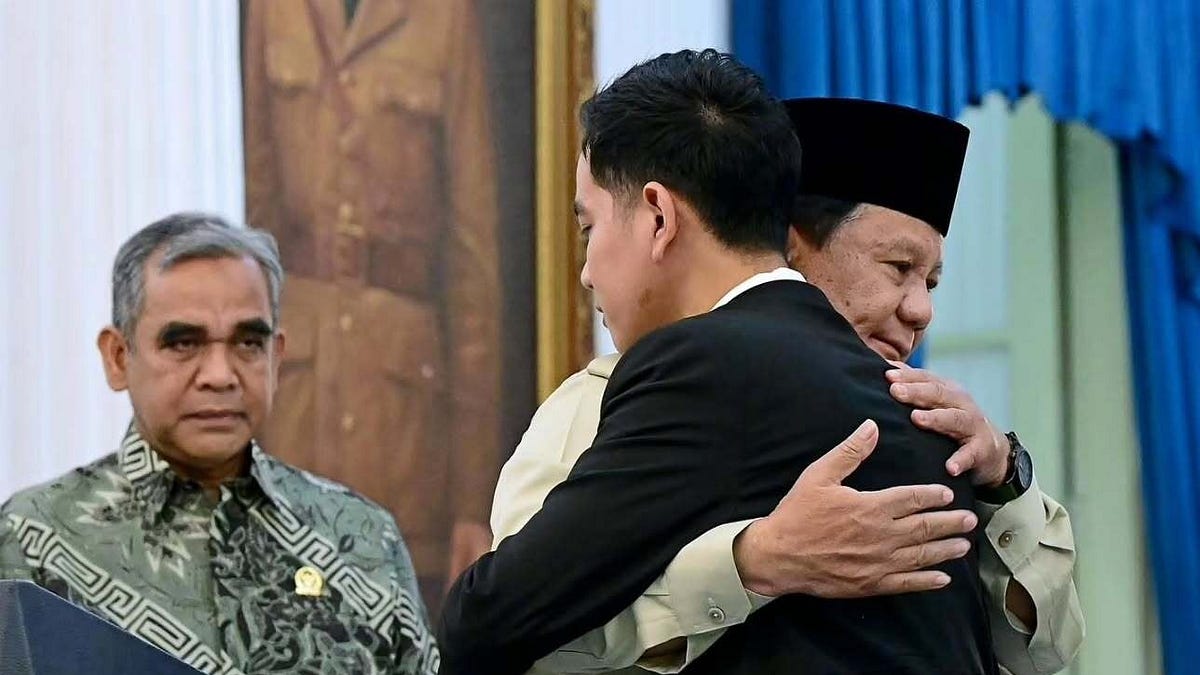
Indonesia Vice President Gibran Resigns After Court Invalidates Diploma
Indonesia's vice presidency sits vacant for the first time since the democratic era began, after Gibran Rakabuming Raka...

Mother Relieved After Riad Bouchaker Life Sentence for Parnell Square Attack
The life sentence for Riad Bouchaker settles a harrowing chapter from the Parnell Square attack in November 2023....