
Ground ambulance services in Wyoming gained a temporary bump in Medicaid reimbursement as state leaders rolled out $205 million in federal rural health funding.
State Distributes Rural Health Transformation Awards to Hospitals and EMS
State officials announced the distribution of Wyoming’s Rural Health Transformation Program awards to critical access hospitals and emergency services on Oct. 23, 2026, barrasso.senate.gov reported. The funding stems from a federal initiative championed by U.S. Senator John Barrasso, who practiced medicine in the state for 24 years.
The state program operates under HB 122, renamed the Rural Health Transformation Program Sustainability, Accountability and Fiscal Protection Act. The legislation places the effort inside the Wyoming Department of Health and establishes a nine-member advisory committee required to review and approve any single grant, award, or expenditure exceeding $500,000.
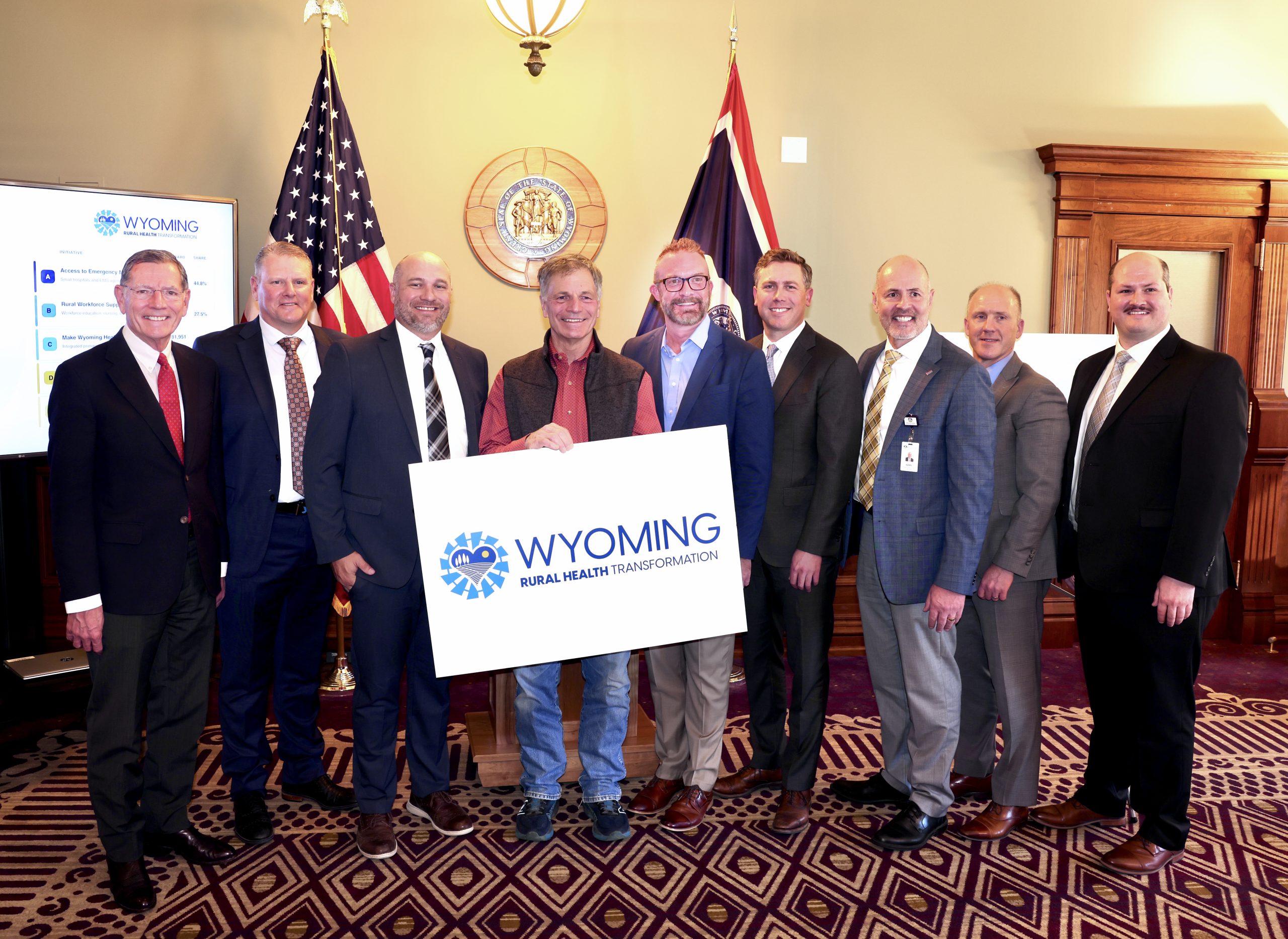
Senate lawmakers passed the measure 26 to 5 with the understanding that a special session might follow if the Centers for Medicare & Medicaid Services rejected portions of the plan. CMS Administrator Dr. Mehmet Oz praised the initiative for helping states develop innovative, locally driven solutions.
“I want to thank President Trump, Wyoming’s United States Senator John Barrasso and Administrator Oz for their leadership in bringing this program to fruition,” Governor Mark Gordon said. “The Trump Administration’s Rural Health Transformation Program is helping states like Wyoming develop innovative, locally driven solutions to improve rural Americans’ access to high-quality care,” said CMS Administrator Dr. Mehmet Oz.
Lawmakers Raise Medicaid Ambulance Payments to Medicare Rate for Two Years
Lawmakers also passed related legislation, including SF 4, which Governor Mark Gordon signed on March 6, 2026. That measure raises Medicaid payments for ground ambulance services from 66% to 100% of the Medicare rate for a two-year window running from July 1, 2026, through June 30, 2028, according to REDi Health reporting.
The adjustment represents a roughly 50% increase for ambulance providers previously receiving two-thirds of the Medicare rate. State analysts said that the extra revenue can help sustain regional emergency medical services projects launched with Rural Health Transformation Program funds.
As a doctor who practiced medicine in Wyoming for 24 years, I know how important affordable, reliable, and quality local care is for our rural communities. That’s why I fought last year to create the Rural Health Transformation Program. Wyoming is using this year’s $205 million… pic.twitter.com/QpVzLTKF1z
Because the higher rate expires in mid-2028 ahead of the federal program, health leaders view it as a temporary bridge while building long-term revenue. Two smaller bills accompanied the package: HB 4 permits birthing centers to bill Medicaid, while SF 5 allows county memorial hospitals and hospital districts to reorganize under Chapter 9 bankruptcy.
Hospital Leaders Address Rural Pressures
During the legislative session, Wyoming Hospital Association President Eric Boley highlighted potential confusion regarding state funding streams. He pointed out that Rural Health Transformation Program dollars and standard Medicaid reimbursements operate as separate pots governed by distinct rules, meaning a one-time federal grant does not fix monthly claims that underpay providers.
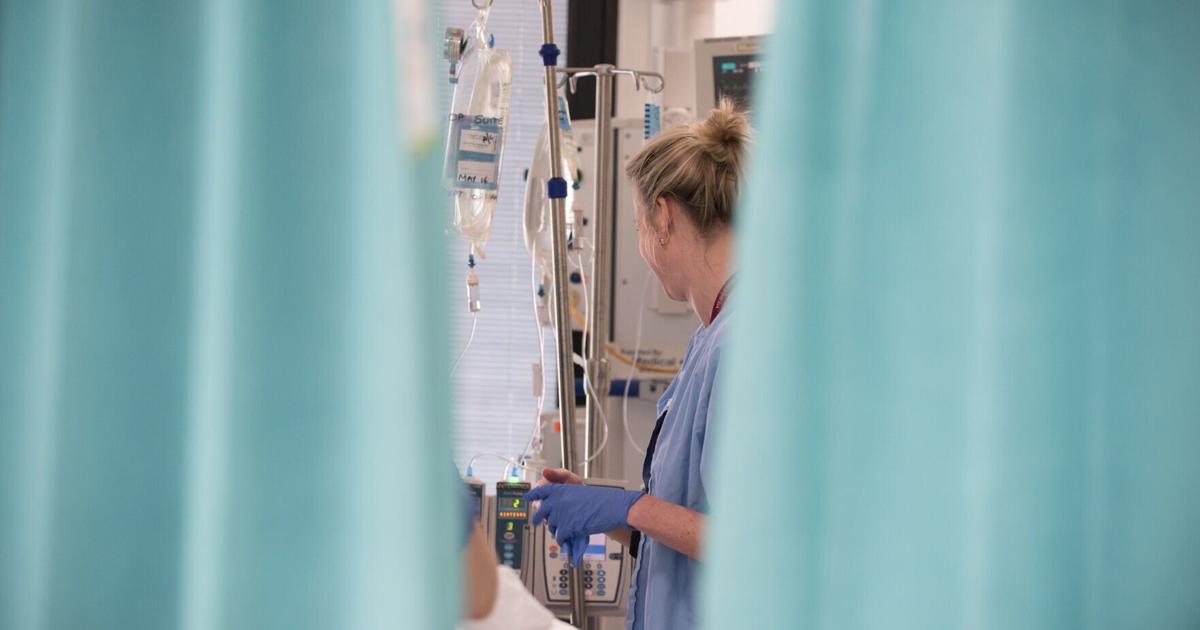
State health director Stefan Johannson emphasized that the initiative targets the financial stability of small critical access services. “Put simply, in our low-population state, high-fixed cost healthcare services and infrastructure that are core to our communities should not have to depend on volume to be sustainable,” Johannson said, according to barrasso.senate.gov.
Local hospital executives echoed those operational realities at the state capitol. “In rural Wyoming, where distances are significant,” said Carbon County Hospital CEO Kerry Ashment, according to barrasso.senate.gov.
“In Carbon County we cover over 8,000 square miles, and whether conditions can be challenging, timely emergency response can make the difference between life and death,” Ashment told barrasso.senate.gov.
Keep reading

Three Williamsburg Buildings Will Deliver 86 Homes Near Bedford L Station
Three new residential buildings will deliver 86 homes to Williamsburg, Brooklyn, within walking distance of the Bedford Avenue...

NSU Women Return Home to Host Alabama State Tuesday
Northwestern State returns home Tuesday after four of its last five games on the road, hosting Alabama State...

Court Lifts Stay, Clearing Army to Detonate Lead Azide in Iowa
A federal appeals court lifted its administrative stay Monday, clearing the U.S. Army to detonate approximately 9,700 pounds...

Short-Handed Spurs Rout Kings 123-107 as Castle Leads With 28 Points
Rookie Stephon Castle scored 28 points as short-handed San Antonio routed Sacramento 123-107 on Monday night at Golden...