Some of Hawaii’s most meaningful places are the ones travelers drive right past without realizing what they’re seeing. After decades of visiting the islands, Beat of Hawaii found that two destinations—Hilo on the Big Island and Hana on Maui—reward a slower approach that the typical vacation itinerary rarely allows. The difference isn’t just about skipping crowds; it’s about experiencing communities that function as places to live rather than checkpoints on a sightseeing list.
With Hawaii vacations costing more than ever, visitors understandably want to maximize every day, booking excursions and racing through famous stops. But recent visits to both towns reminded us that some of the best moments happen when you stop trying to squeeze everything into the hours between arriving and leaving.
The Road to Hana Eats the Town
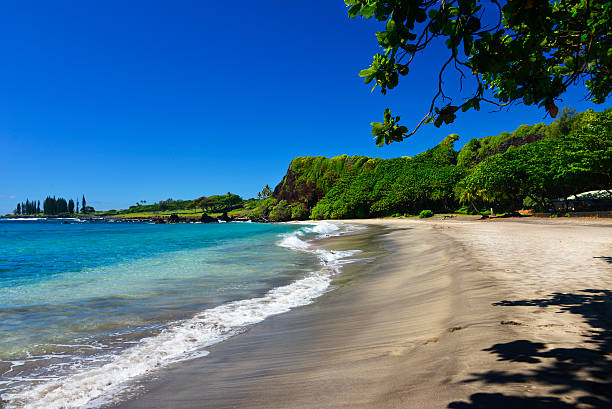
Hana has one of Hawaii’s best-known roads, and that drive has become both its attraction and its predicament. Visitors spend hours on the highway, stopping for waterfalls and photos, then arrive already thinking about the long drive back. When we finally spent two nights there this fall, the best moments happened outside day-tripper hours: Hamoa Beach entirely to ourselves early in the morning, roads remarkably quiet later in the day, and a late-afternoon farmers market we could actually enjoy.
According to Hawaii’s 2025 Visitor Plant Inventory, the Hana area has just 107 reported visitor accommodation units, compared with 11,837 across Lahaina, Kaanapali, Napili, and Kapalua. That isolation limits large resort development, but it also means the town can feel incredibly busy at midday with rental cars, yet remarkably different just hours earlier or later.
Hilo Doesn’t Need a Checklist
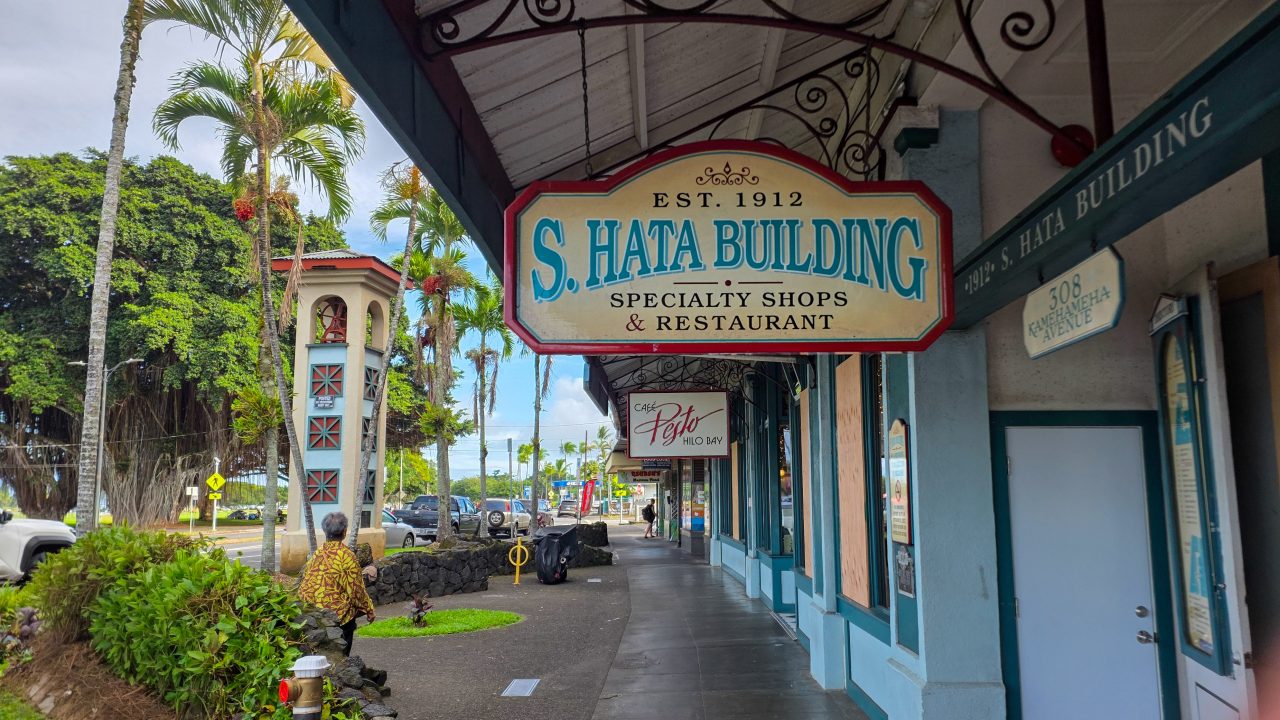
Hilo gets overlooked for almost the opposite reason. It lacks a world-famous drive ending in town and isn’t surrounded by the large beach resorts that dominate Kona and the Kohala Coast. Many Big Island travelers spend time on the western side, passing through Hilo only on the way to Hawaii Volcanoes National Park.
Yet Hilo was once one of Hawaii’s major tourism gateways, with direct mainland jet service beginning in 1967 and approximately 2,000 hotel rooms in the 1970s. Today the broader Hilo/Honokaa area has 1,116 reported units, while Kona and the Kohala/Waimea/Kawaihae region together account for 10,434. That shift happened gradually as resort development moved toward the sunnier western coast.
What makes Hilo special now is exactly what makes it easy to miss: it feels stuck in time, in a good way. Downtown has older commercial streets, a working waterfront, and a mix of stores and restaurants that haven’t been polished into resort-style uniformity. We pulled over at Sweet Cane Cafe on the drive from Volcanoes, finding a vegetarian menu with taro and ulu burgers and cassava-crust pizza that was packed but welcoming. Ten minutes later we reached Rainbow Falls, where a 700-foot trail leads to an 80-foot waterfall now costing $10 to park and $5 per person to enter.
“One reader who spends more than 90% of their Hawaii time in Hilo asked us to stop writing about the town,” Beat of Hawaii reported. “We understood the sentiment, especially given how much some Hawaii destinations have changed over the years.”
Two Different Paths to the Same Feeling
Neither Hana nor Hilo is built around large-scale resort vacations, but they arrived there differently. Hana’s isolation and small scale naturally limited development, while Hilo’s tourism simply migrated west decades ago. Both now offer something increasingly rare: the chance to spend time in a community that primarily serves residents.
That doesn’t mean ignoring real problems. Hana’s traffic still impacts residents, and Hilo’s Coconut Island bridge closure frustrates everyone who uses it. But when you give these places time—an overnight in Hana, or a full afternoon in Hilo rather than a quick stop—you encounter something the checklist approach misses entirely. If you know these towns well, what keeps you coming back?
Keep reading

Ben Schierer, Fergus Falls mayor, elected Minnesota lieutenant governor
Minnesota voters made history Tuesday night, electing Senator Amy Klobuchar as the state's first female governor and former...

CDC Funds Massachusetts Healthcare Programs to Combat Infection and Resistance
Massachusetts is receiving federal funding through the CDC's Division of Healthcare Quality Promotion to prevent healthcare-associated infections and...

Iron Mountain Family Donates 60-Foot Spruce as Michigan State Christmas Tree
60-Foot Iron Mountain Spruce to Be Cut Thursday for the Ride to the Michigan Capitol The 2026 Michigan...

Silver Spring Man Gets 25 Years for Attempted Laurel Hotel Robbery After 45-Year Sentence
Joel Manuel Moreno, a 32-year-old Silver Spring man, will spend the next quarter-century in prison without the possibility...