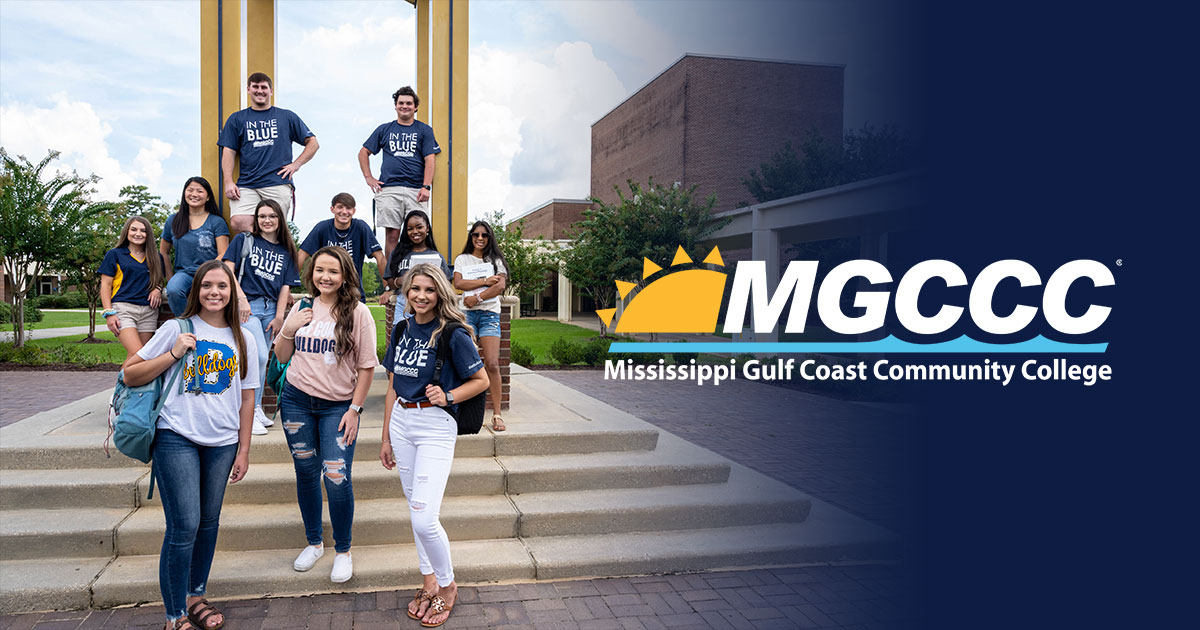
The legacy of women’s athletics at Mississippi Gulf Coast Community College (MGCCC) is anchored by the career of a woman who transitioned from a recruited team manager to an educator. Over a span of 25 years as both a student and a faculty member, Bennett helped define the early era of sanctioned women’s sports at the institution before dedicating over two decades to shaping the health and physical education of her students, as reported by MGCCC.
For the community in Gulfport and beyond, Bennett’s journey represents a lifetime of growth and the impact of mentorship in a community college setting.
The Birth of the Lady Bulldogs
The foundation of Bennett’s career began in 1974, not on the court, but on the sidelines. Basketball coach Barbara “Sue” Ross initially recruited her to serve as a team manager. However, the transition from management to active play happened quickly. Before that first season concluded, Bennett was playing basketball, eventually expanding her athletic footprint to balance three different sports.
The timing was historic. Bennett was a member of the college’s first women’s basketball team recognized by the Mississippi Association of Junior Colleges since 1955 in 1975. By the following year, the team adopted the “Lady Bulldogs” name, creating a brand and an identity for women’s athletics that would persist for decades. Her versatility extended beyond the hardwood; she was a key member of the 1975 and 1976 state championship volleyball teams under the Mississippi Association for Intercollegiate Athletics for Women, while also competing in softball.
Bennett points to the influence of Ross and Doris “Blackie” Smith—who managed volleyball and softball while assisting with basketball—as the catalysts for her own professional ambitions.
“When a player was sick or had a problem with just about anything, they both were available and very approachable,” Bennett recalled.
This environment, coupled with Smith’s classes and opportunities to volunteer at Special Olympics sports days, solidified Bennett’s desire to pursue physical education. The experience was framed by the cultural hallmarks of 1970s campus life: sock hops, pep rallies, and the strict discipline of dormitory curfews.

From Finance to the Faculty
Academic progression followed her athletic success. Following her 1976 graduation from MGCCC, Bennett sought further education, obtaining a bachelor’s degree in physical education from The University of Southern Mississippi in 1978 and a master’s degree in health and physical education from William Carey College in 1987.
Her path back to the classroom was not linear. Like many professionals, she explored sectors outside her primary passion, spending four years working in finance. However, the pull of education eventually won out, leading her to a teaching position at Westminster Academy in Gulfport.
The circle closed in 2000 when Bennett returned to her alma mater. She started as a part-time instructor at the Jefferson Davis Campus (now known as the Harrison County Campus). By 2008, she had transitioned into a full-time role, where her responsibilities spanned the Fitness Center, the summer swimming program, and lifeguard instruction, before she eventually moved into a full-time faculty position in health and physical education.
By the time she retired in June 2023, Bennett had clocked 23 years of service to the college, 16 of which were full-time.
A Lifetime of Growth
Retirement has not signaled an end to her involvement in athletics or the community. Bennett continues to teach Brazilian jiu-jitsu to children in Biloxi and remains a fixture at the annual Clem Dellenger Memorial Golf Tournament, an event dedicated to raising funds for MGCCC student-athletes.
Looking back on a quarter-century tied to a single institution, Bennett describes the experience as a total evolution of identity.
“MGCCC was my life for so many years,” she said. “You grow from being a kid as a student to being an adult as a teacher, and there is a whole lot of learning in between.”
The true metric of her success, she notes, is the recognition from former students.
In an era where education is often viewed through the lens of credits and degrees, the personal reconnection with students who have found success in their own lives remains her most significant achievement.
Related reading

Canadian Man Sentenced in $13M Crypto Support Scam
Trenton Johnston, a 20-year-old Canadian involved in a cryptocurrency laundering scheme that drained more than $13 million from...

Manchester City to rotate squad for Carabao Cup match vs Brighton
Manchester City will face Brighton & Hove Albion at the Etihad Stadium on Wednesday, October 28, for the...

Vote Now: Nevada Preps Girls Athlete of the Week Nominees
Four standout high school athletes are vying for the title of Nevada Preps girls Athlete of the Week...
Mizzou Women’s Basketball Hosts Lincoln in Preseason Exhibition
Mizzou women’s basketball will host Lincoln for a preseason exhibition this Thursday at 6:30 p.m. at Mizzou Arena,...