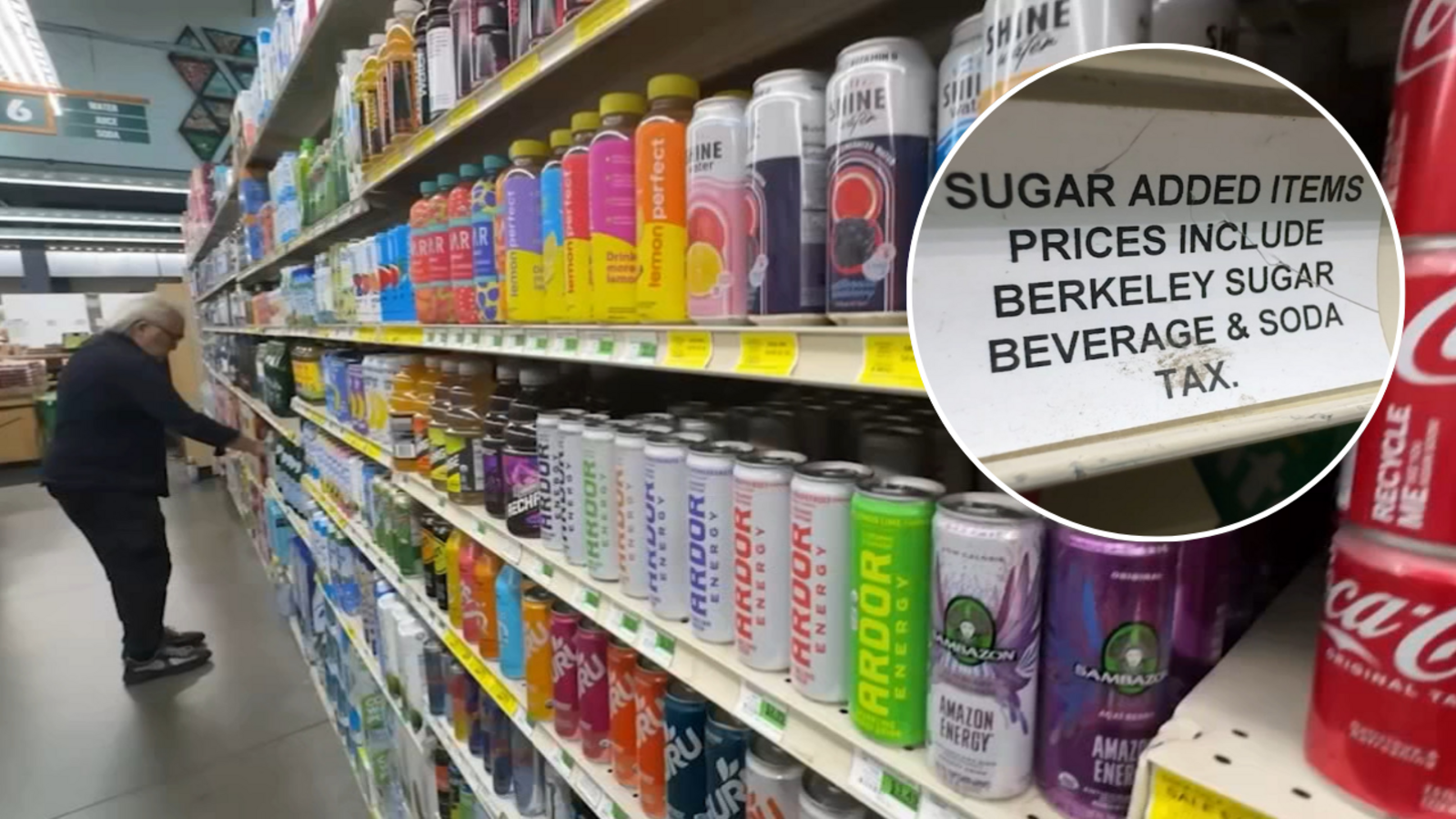
Berkeley voters approved Measure AA in the November midterm election, doubling the city’s tax on sugar-sweetened beverages from 1 cent to 2 cents per fluid ounce. The increase takes effect next spring and will raise the tax on a 12-ounce can from 12 cents to 24 cents.
Revenue drop prompted the increase
The tax worked as intended — consumption fell — but that success cut the revenue stream that funds health and school programs. Annual collections slipped from $1.5 million to $1 million, said Martin Bourque, executive director of the Ecology Center, a nonprofit that backed the original tax. “We were really successful,” Bourque said. “We don’t want to let our foot off the gas.”
Health effects documented
Harvard professor Sara Bleich said research across five cities shows soda taxes reduced purchases by 33 percent even after accounting for cross-border shopping. “It’s enormous. It is the largest behavioral impact I’ve ever seen,” Bleich said.
She added the taxes have improved weight status and oral health. “I have been in the health policy world for 20 years, and there are very, very few things that provide those sorts of outcomes,” Bleich said.
Beverage group spent nothing opposing measure
The American Beverage Association spent more than $2 million to defeat Berkeley’s first soda tax in 2014 but spent nothing on this campaign. Julian Cañete, president and CEO of the California Hispanic Chambers of Commerce, said in a statement: “It is clear that this tax is ineffective and benefiting no one except the so-called nonprofits.”
Small business concerns
Ali Ereikat, owner of E-Z Stop Deli, opposed the increase. “I think education is more important than penalizing,” Ereikat said. “Educate them. Don’t charge them more.”
Where the money goes
So health education, medical care, dental care,” Ashe said. Sophomore Kiko Kopman, who attended a tax-funded nutrition class in middle school, recalled a demonstration where a teacher spooned actual piles of sugar beside cans of Coke, iced tea and fruit punch. “The image that popped into my head was, like, a pile of sugar,” Kopman said. “Some of those were crazy.” He said the tax is acceptable if it funds programs like that.”
Voter perspectives
But also, it is part of our way.” Hans Goto, a Marin resident who shops in Berkeley, said: “I agree with it. Alon Yoeli, a West Berkeley resident, said: “I think it’s great.”
Residents split on soda tax increase
ABC7 reported that Eddie, a Berkeley resident who declined to give his last name, said the city already taxes plastic bottles and called the proposed increase “absurd.” Carmen Musalem, an Oakland resident, said deciding is difficult because she believes soda is unhealthy “but also, it is part of our way.”
Hans Goto, a Marin resident who shops in Berkeley, said he agrees with the tax because his household does not buy soda and it discourages sugary drinks. Alon Yoeli, a West Berkeley resident, called the measure great for bringing money to schools and health programs.
Marice Ashe of the Measure AA Campaign Committee said 42% of the revenue goes to Berkeley Unified School District for gardens and nutrition programs serving all children, and 42% goes to community health well-being including health education, medical care and dental care.
ABC7 also said that the tax is imposed on distributors rather than directly on consumers, though distributors can pass the cost through higher prices, and that a 2018 California law barred new local grocery taxes through 2030.
Eight cities now impose soda taxes
Eight cities now have soda taxes, including Philadelphia, Seattle and Boulder.

Alaska Voters Reject Trump-Backed Repeal of Ranked-Choice Voting Again, MinnPost Reports
Alaska voters rejected a repeal measure backed by President Donald Trump for the second consecutive election, preserving the...
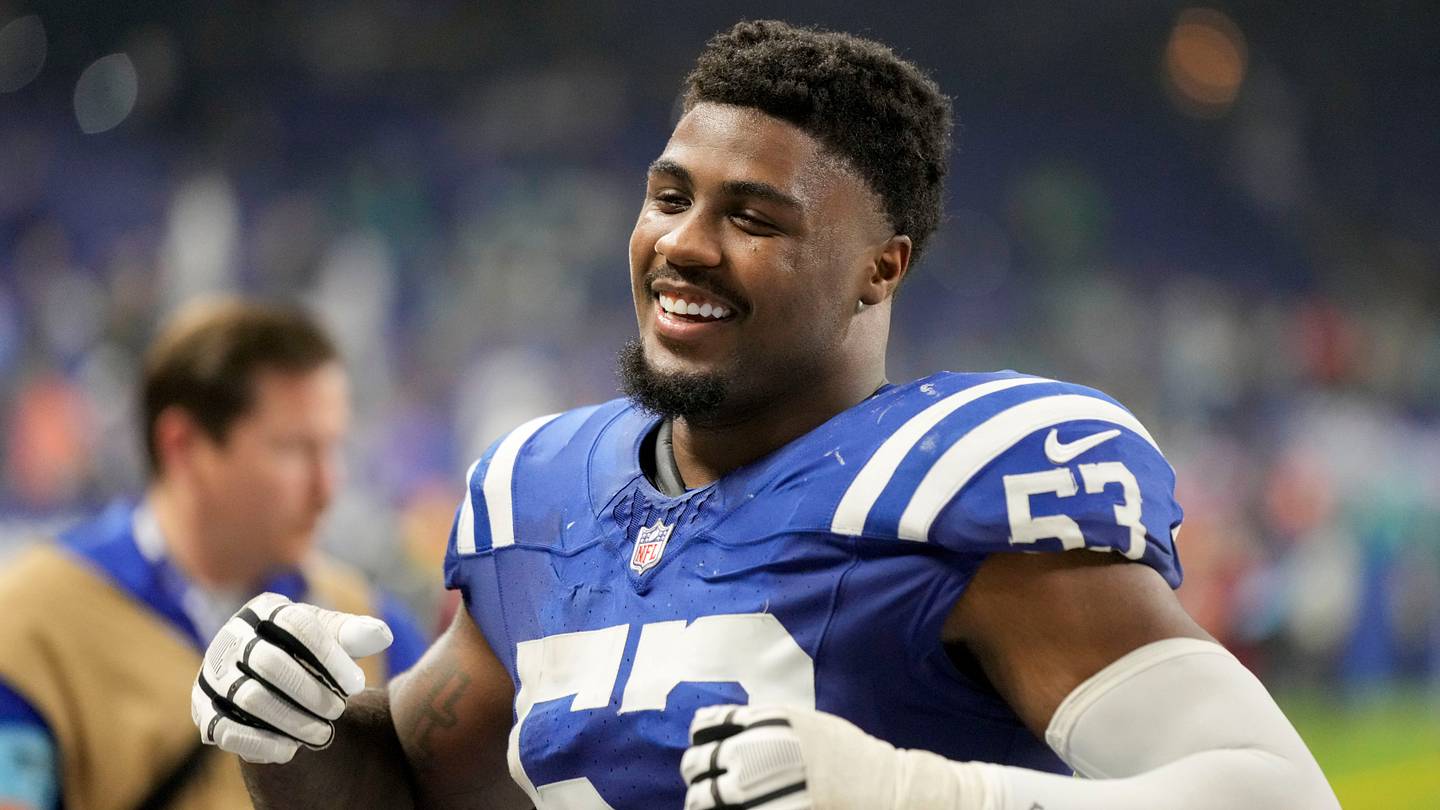
Colts Rookies Allen, McGowan Lead 2026 Class Through 12 Games
Indianapolis Colts rookies CJ Allen and Seth McGowan have emerged as the clear standouts from the team's eight-player...

University of Mississippi Receives Donated Faulkner First Book Inscribed ‘To Gert, from Bill’
A century-old copy of William Faulkner’s first book, “The Marble Faun,” has returned to the University of Mississippi...
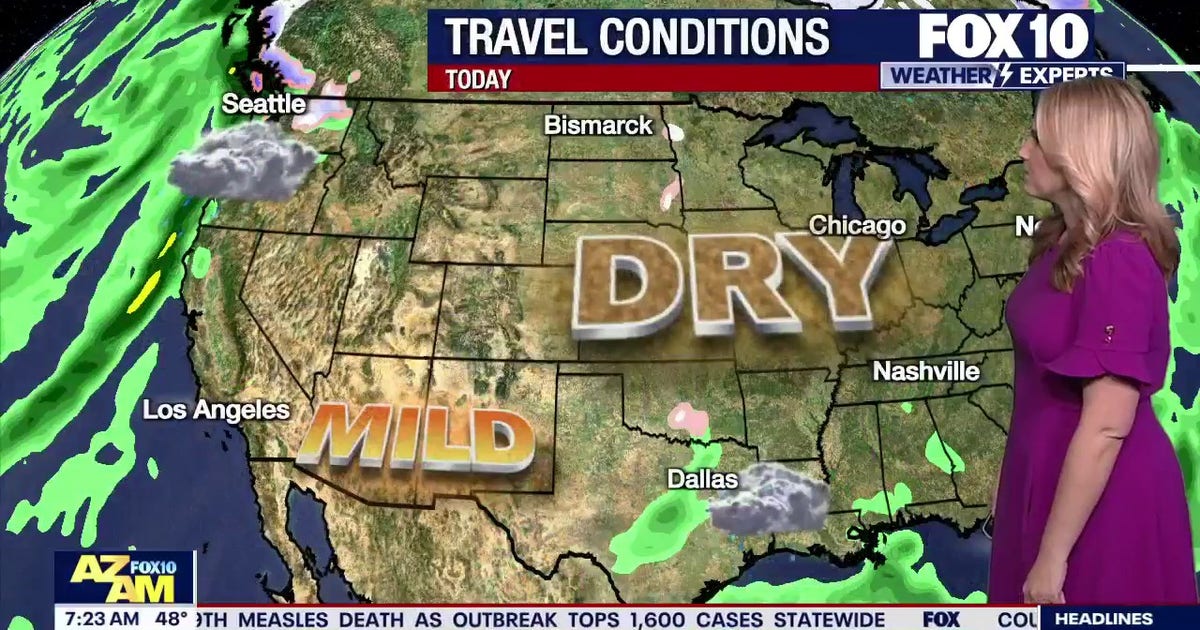
Phoenix Hits 78 Degrees Thanksgiving Afternoon as Warm, Dry Weather Holds Through Weekend
Phoenix will reach 78 degrees on Thanksgiving afternoon, five degrees above the seasonal average, FOX 10 Phoenix reported....