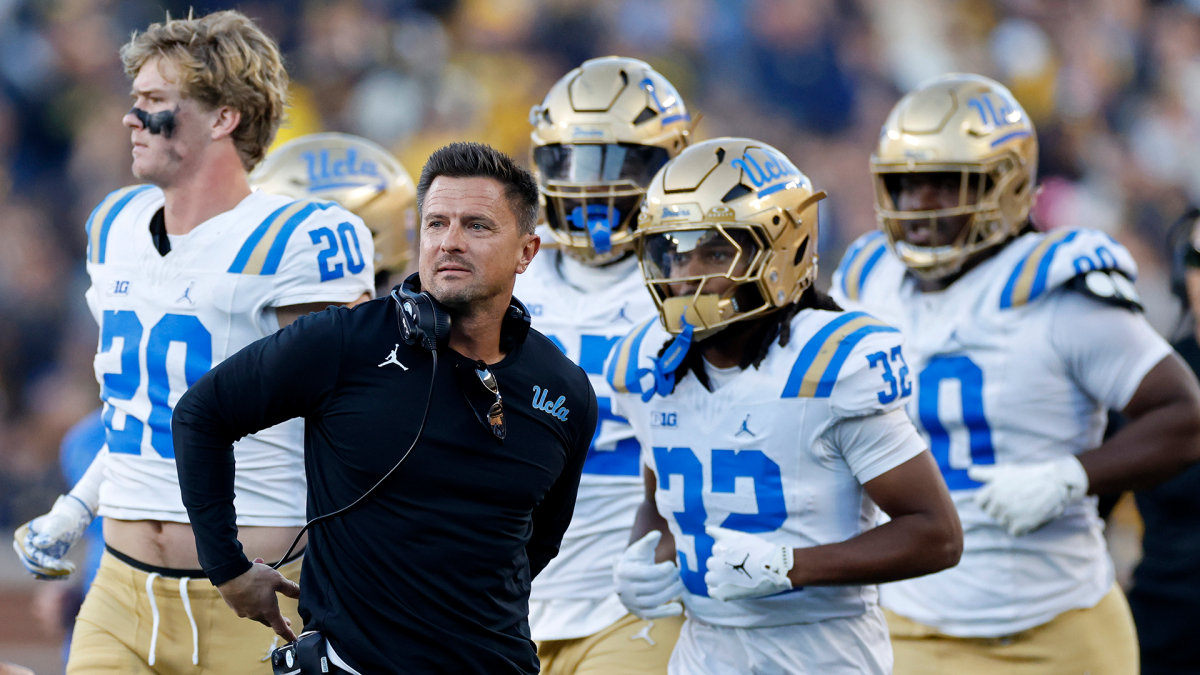
The Big Ten’s championship path, which looked straightforward just a week ago, dissolved into a complex web of tiebreakers on Saturday after both UCLA and Indiana suffered costly road losses in overtime.
Coming into the weekend, the conference’s premier title game scenario required only that No. 4 UCLA and No. 8 Indiana win out, setting up a definitive showdown in Indianapolis. Instead, the conference is now facing a four-team logjam that has left the path to Lucas Oil Stadium wide open for the Bruins, Hoosiers, Oregon Ducks, and Iowa Hawkeyes.
The reality of the conference’s postseason outlook is bleak for those hoping for a clean bracket. “The Big Ten is limping to the finish line of the regular season and nearing what would be a doomsday scenario where at most two teams represent the conference in the College Football Playoff,” the sources reported.
The trouble began in Seattle, where Indiana—having been forced into overtime for the third time this season—finally faltered. The Hoosiers hooked a game-tying field goal attempt wide left, handing Washington a signature win and stalling Indiana’s momentum.
Shortly after, the situation in Ann Arbor turned dire for the Bruins. UCLA starting quarterback Ty Dieffenbach was carted off the field following a big hit in the first overtime period. With third-stringer Madden Iamaleava at the helm, the Bruins offense struggled, eventually falling to Michigan in a 18-16 triple-overtime loss.
The Four-Way Logjam
The current standings have left four teams—UCLA (7-1), Indiana (6-2), Oregon (6-2), and Iowa (6-2)—fighting for the two available spots in the Big Ten title game. While UCLA still controls its own destiny, the path forward is fraught with uncertainty. A win against USC next week secures their spot, but the team now faces significant questions regarding their offensive stability and quarterback depth.
The complexity of the tiebreaker scenarios depends heavily on next week’s results. If Oregon and UCLA both win, UCLA grabs the top seed by being the only 1-loss team, and Oregon wins any tiebreaker with Iowa and Indiana based on record among common opponents.
Oregon can get to 5-0 against common conference opponents of Indiana and Iowa with a win over Washington, while Iowa would be 4-1 if they beat Nebraska next week and Indiana is 3-2.
| Team | Conference Record | Remaining Path |
|---|---|---|
| UCLA | 7-1 | Needs win vs. USC to secure spot |
| Indiana | 6-2 | Needs win vs. Purdue + losses by Iowa/Oregon |
| Oregon | 6-2 | Needs win vs. Washington + UCLA/Iowa outcomes |
| Iowa | 6-2 | Needs win vs. Nebraska + specific tiebreakers |
When Tiebreakers Dictate the Field
The scenario grows significantly more tangled if UCLA loses to USC. If Oregon also wins, the Ducks and Hawkeyes would be the primary candidates for the championship game, as Michigan—the lone common opponent for all four teams—would effectively drop UCLA from the tiebreaker contention.
Should Oregon lose, the door cracks open for Indiana. The Hoosiers would secure a spot by beating Purdue, provided that Iowa also falls to Nebraska. In the event of a three-way tie involving UCLA, Oregon, and Iowa, the tiebreaker protocols—ranging from common opponent records to the cumulative conference winning percentage of all conference opponents—would determine the final seeding.
The stakes extend beyond the conference title. With No. 17 Ohio State also suffering a loss, the Big Ten is flirting with the possibility of having zero playoff contenders with fewer than two regular-season losses.
As the regular season nears its conclusion, the margin for error has vanished, turning next week’s games into a series of high-pressure eliminations. The conference championship, once a path to clarity, has become a final test of depth and resilience.
UW-River Falls Wins Third Culver’s Isthmus Bowl Title Over Illinois Wesleyan 55-24
The University of Wisconsin-River Falls football team secured its third Culver’s Isthmus Bowl championship on November 21, dominating...

New Video Captures Latest Escape From Owens Cross Roads Facility
A fresh round of escapes occurred at the Pathway Facility in Owens Cross Roads on Saturday evening, as...
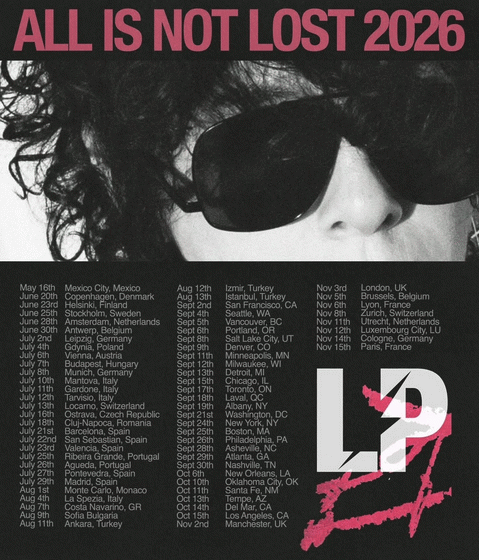
LP Lights Up Olympia with Visuals for Room 12 Tour
On Sunday, November 15, singer-songwriter LP brought a high-energy, visually immersive performance to the stage at Olympia Paris....

Western Colorado Executed Scoring Drive Against Central Washington Touchdown
Western Colorado executed a scoring drive that culminated in a touchdown at the 10:05 mark of the game....