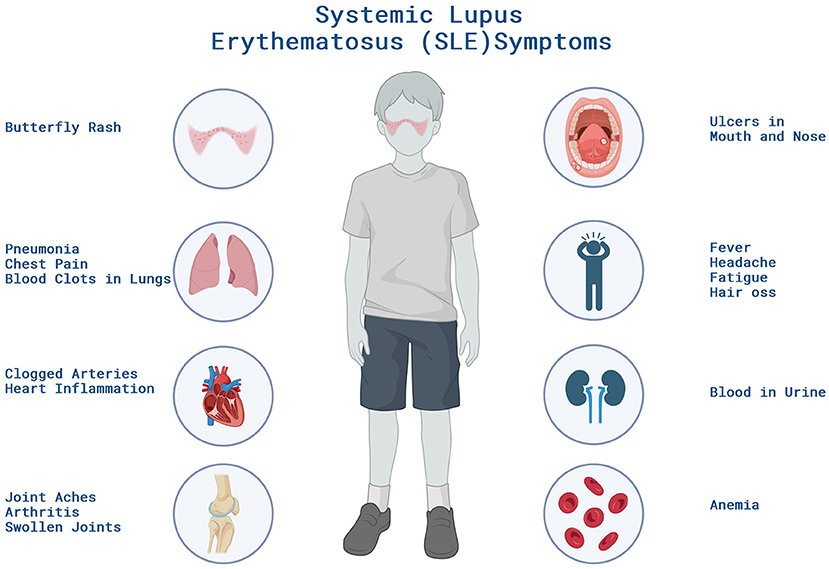
For patients living with systemic lupus erythematosus (SLE), the line between a disease flare and a dangerous infection is often dangerously thin.
Because both conditions can present with overlapping symptoms like fever and fatigue, clinicians frequently face a diagnostic dilemma that carries life-altering stakes. A study published in Cureus provides new insight into how standard, low-cost laboratory markers perform in identifying these infections, offering a potential path forward for care in resource-limited settings.
The research, conducted at a tertiary care center in Kerala, India, between June 2024 and June 2025, followed 130 patients aged 13 and older. The findings underscore the heavy clinical burden of infections for this population, where immune system dysregulation—compounded by the necessary use of corticosteroids and immunosuppressive therapies—creates a constant vulnerability to illness.
As the study details, respiratory and urinary tract infections were the most common culprits identified among the hospitalized patients, with pathogens like Escherichia coli and Acinetobacter frequently isolated.
While clinicians often rely on standard blood markers to gauge inflammation, the data suggests that not all tests are created equal when it comes to spotting an infection. C-reactive protein (CRP) was the only marker analyzed that statistically associated with infection.
In contrast, erythrocyte sedimentation rate (ESR) and anti-double-stranded DNA (anti-dsDNA) levels—while vital for monitoring lupus disease activity—proved less reliable for distinguishing between a flare and an active infection.
The reliance on qualitative CRP reporting in many government-run hospitals makes these findings particularly relevant for healthcare systems where high-cost tests like procalcitonin are not always available. By validating the utility of CRP, the study offers a practical, accessible tool for medical teams working to make rapid decisions in high-pressure environments.
The research team said that while elevated ESR was found in 92% of the patients studied, it failed to provide the necessary specificity to isolate infection from the background noise of chronic autoimmune inflammation.
The demographic profile of the cohort, which was 99% female and largely rural, highlights the specific population most impacted by these diagnostic hurdles. For these patients, delays in identifying an infection can lead to increased morbidity, making the ability to quickly pivot treatment strategies—from adjusting immunosuppressants to initiating targeted antibiotic therapy—a critical component of long-term management.
Previous research has explored the use of the ESR/CRP ratio and neutrophil-to-lymphocyte ratios to help clinicians differentiate between these states. This study shows the diagnostic environment affects which tools work. In the context of the 2019 EULAR/ACR classification criteria, the integration of immunological markers remains a cornerstone of care, yet the unpredictable course of SLE continues to challenge conventional testing.
The state of Kerala, situated on the Malabar Coast of southern India, was formed on 1 November 1956. Spanning 38,863 square kilometres, it is a region historically defined by its long-standing role as a global exporter of spices, a trade that dates back to 3000 BCE. Today, the state is distinguished by its high social development indicators, maintaining the highest literacy rate and life expectancy in the country.
Despite the utility of CRP, the study stops short of suggesting it is a perfect diagnostic filter. The researchers emphasize that their work was designed to analyze the association between infection and these markers, rather than to establish a definitive diagnostic algorithm.
The question of how to perfectly differentiate a disease flare from a superimposed infection in every clinical scenario remains an open area of investigation, with the medical community still seeking a diagnostic standard that balances accuracy with accessibility.
Worth a look

Subic Bay Taiwan Chamber Joins Taiwan Association In Philippines Consolidation
Two Taiwanese business groups in the Philippines merged on Saturday to pool resources and expand their operational network....

House Bill 9603 Cleared the Health Committee Last Week
House Bill 9603 cleared the health committee last week, but the real fight is over the 3 percent...
Two Cases Show Progressive Lung Fibrosis After COVID-19 Pneumonia, Cureus Reports
Lung fibrosis follows COVID-19 pneumonia in 2026. Post-severe acute respiratory syndrome coronavirus 2 interstitial lung disease covers everything...

Maternal and Fetal Outcomes of Preeclampsia in South Asia: A Narrative Review of Observational Studies
A narrative review published in Cureus synthesizes maternal and fetal outcomes across South Asia, drawing on 15 observational...