
Australian shoppers are racing to spend a projected $7.2 billion over the Black Friday to Cyber Monday weekend, a 5.5 per cent increase on last year, as cost-of-living pressures push consumers to concentrate their Christmas buying into a single discount window.
The four-day event, which ends Monday, has eclipsed Boxing Day as the country’s premier sales period. Monash University’s Australian Consumer and Retail Studies unit found planned participation in Black Friday has surged to 50 per cent of shoppers in 2026, up from 33 per cent in 2022, while Boxing Day participation has fallen to 29 per cent. One in three shoppers will spend at least $1000.
“In just four years, Black Friday has gone from trailing Boxing Day to leading it by 21 percentage points,” said Stephanie Attill, research and strategy director at Monash Business School’s ACRS. “For many shoppers, it’s now the moment to get their Christmas gifts sorted at a lower price.”
The shift reflects a broader change in behaviour. More than two-thirds of 1,003 adults surveyed by Westpac said they would not buy an item unless it was discounted at least 30 per cent, and 26 per cent held out for 50 per cent off. “Having a plan can help, but Black Friday sales can create a real sense of urgency,” Westpac’s Ms McCann told News24.
The S&P/ASX 200 Consumer Discretionary Index has fallen 9 per cent over the past year, and payment default rates across the sector are up 43 per cent annually, according to Accounting Times.
One in 12 retail invoices is now more than 60 days overdue. “Not all spending cohorts are the same,” said Fleur Brown, chief industry engagement officer at the Australian Retail Council. “There are many (older) Australians who still have lots to spend.”
“Margin is always a really important point over revenue… It’s often a better metric,” said Coghlan, speaking to Accounting Times. The Australian Competition and Consumer Commission is conducting its third annual sweep of Black Friday and Cyber Monday advertising, targeting misleading “sitewide” or “storewide” claims, false countdown timers and deceptive price comparisons. Fourteen per cent of shoppers surveyed by Monash said they were wary of scams during sales periods, up three percentage points from 2025.
The Australian Retail Council said one in four respondents intended to use AI agents or large language models such as ChatGPT to help search for deals before buying. Australia Post has added 3,500 team members to cope with deliveries. “Our people will be working through the weekends.” “It’s a very busy week for online shopping.” “The volume is way above normal now,” Plant told the ABC.
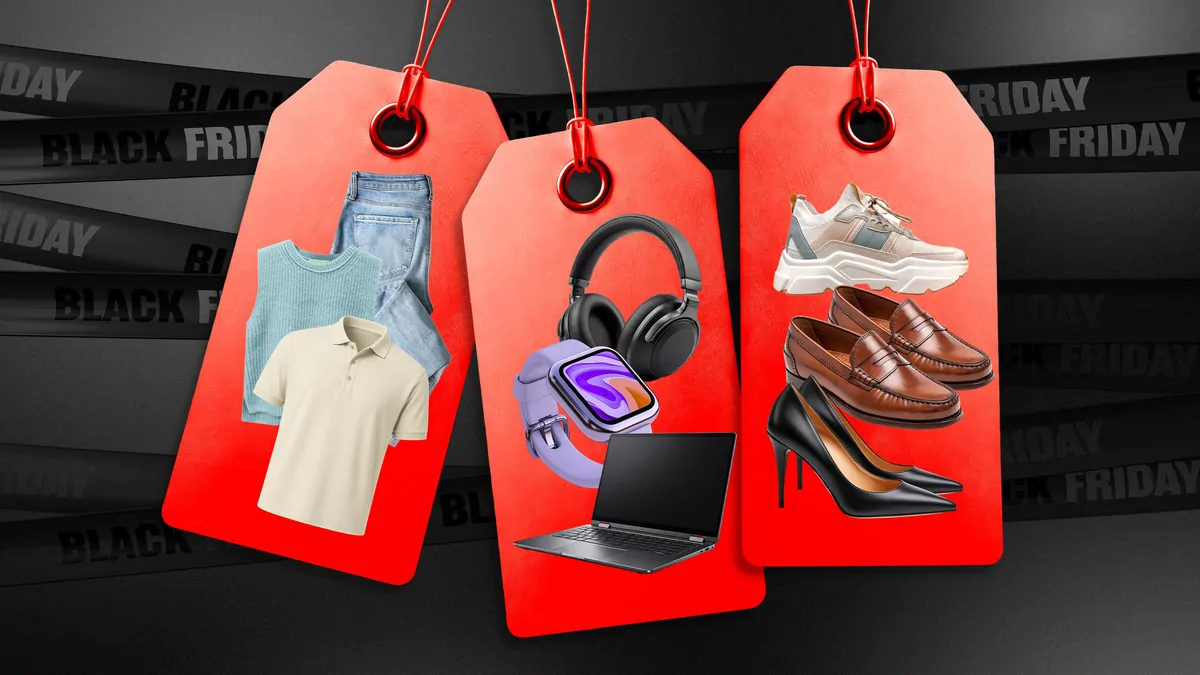
Highpoint shopping centre in Melbourne expects more than 360,000 visitors across the four days. At JB Hi-Fi, a Dell 15.6-inch laptop with an Intel Core i5 processor, 512 GB storage and 16 GB RAM is listed at $893, down from $1,699, while Samsung and Dyson are discounting flagship devices across vacuums, hair tools and phones.
“For ecommerce and retailers more broadly, Q4 is the most critical period of the year – it’s like the Super Bowl of retail,” The Iconic chief marketing officer Joanna Robinson told Mi3. “Black Friday continues to rise in popularity in Australia and has become a major opportunity to buy Christmas gifts and planned purchases at discounted prices.”
Travel bucks the trend
Travel stands out as a notable exception to the broader pattern.
Spending forecasts climb as participation shifts
The Australian Retail Council and Roy Morgan project a record $7.2 billion will be spent over the Black Friday–Cyber Monday weekend, an increase of $373 million on 2025, while the ARC also estimates the average shopper will outlay $920, up $116 or 14.4 per cent year on year.
Monash University’s ACRS unit found planned participation has surged to 50 per cent of shoppers in 2026 from 33 per cent in 2022, while Boxing Day intent has fallen to 29 per cent from 37 per cent over the same period.
ANZ Banking Group data showed household goods and furniture spending jumped 52 per cent to $196.3 million during the sales window, showing the period was important for discretionary retailers.
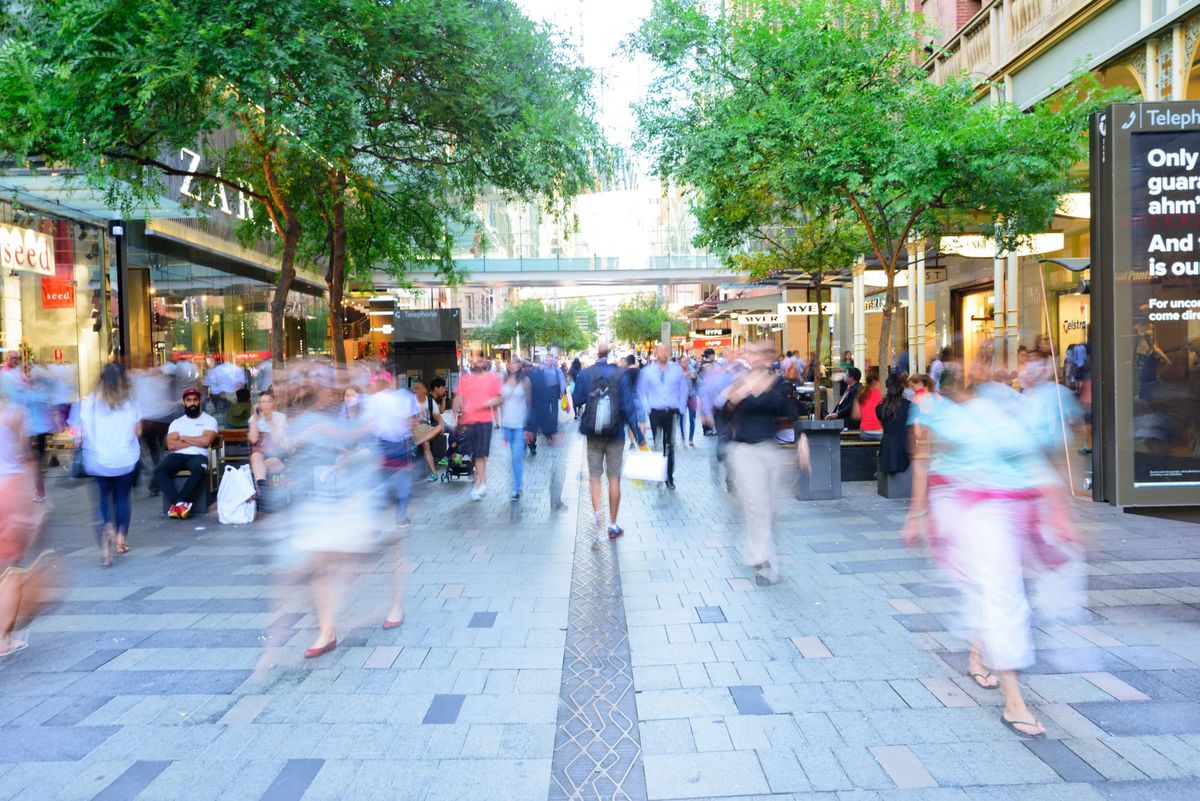
Cost pressures reshape bargain hunting
Monash researchers note that petrol prices averaging $2.23 a litre, inflation at 4.3 per cent and the cash rate at an 18-year high of 4.85 per cent are squeezing household budgets, prompting shoppers to concentrate purchases into a single discount window.
The Iconic, Strand and Steve Madden executives told Mi3 the event is one of their top two or three sales moments of the year, while The GPT Group said 90 per cent of Gen Z set themselves spending rules yet 82 per cent still experienced purchase regret.
Discount depth widens across categories
Hefty markdowns of up to 40 per cent across 180,000 SKUs remain prominent, though campaign activity this year is oriented toward providing practical utility to customers, executives from The Iconic, Strand and Steve Madden told Mi3.
Ecosa is offering up to 35 per cent off storewide, including more than $550 off its best-selling queen mattress, while JB Hi-Fi has cut a Dell 15.6-inch laptop with Intel Core i5, 512 GB storage and 16 GB RAM to $893 from $1,699.
Samsung and Dyson are discounting flagship vacuums, hair tools and phones, and high-end offers include half-price Brunello Cucinelli at Mr Porter and 50 per cent off a stay at Uluru.
Logistics and trust signals tested
Australia Post has added 3,500 team members for the peak, with network operations executive Shane Plant saying volumes are way above normal and will lift further as people snap up bargains, requiring staff to work through weekends.
Monash found 14 per cent of shoppers are wary of scams during sales periods, up three percentage points from 2025, while 28 per cent of those not planning to shop cite suspicion of misleading discounts, up two points.
The Australian Retail Council said one in four respondents intended to use AI agents or large language models such as ChatGPT to help search for deals before buying.
The Australian Competition and Consumer Commission is conducting its third annual sweep of Black Friday and Cyber Monday advertising, targeting misleading “sitewide” or “storewide” claims, false countdown timers and deceptive price comparisons. The regulator administers the Competition and Consumer Act 2010 and has standing to take action in the Federal Court of Australia to enforce Australian Consumer Law provisions against misleading or deceptive conduct in trade or commerce.
In 2008, the ACCC fined retailer Target for false advertising, demonstrating its enforcement role in retail marketing. The Commission can secure penalties up to the greater of $50,000,000, three times the illegal benefit, or 30 per cent of annual turnover for corporations, and it routinely obtains court-enforceable undertakings and corrective advertising orders for breaches.
Retailer outlook
“Retailers have trained customers to wait for major promotional events, and they’ve learned the lesson well,” former Modibodi CEO Kerry Cusack told Inside Retail.

Ohio State Blanks Michigan 45-0 for First Scoreless Loss Since 1900
Ohio State shut out Michigan 45–0 on Saturday in Columbus, handing the Wolverines their first scoreless loss in...

No. 21 Liberty Beats Missouri State 52-29, Clinches Conference USA Title
No. 21 Liberty scored 52 points against Missouri State on Saturday, the most the Bears have allowed at...
Chicago Firefighter Anthony Ferraris Survives 2018 Blaze, Tells Fox News Digital
Anthony Ferraris, a Chicago firefighter who portrays Tony on NBC's "Chicago Fire," survived a 2018 blaze that engulfed...

Asking Eric: Columnist Calls Ex-Contact ‘Lie of Omission’, Suggests Gift Ideas
In a syndicated advice column published Saturday, R. Eric Thomas argues that a 70-year-old man's decision to withhold...