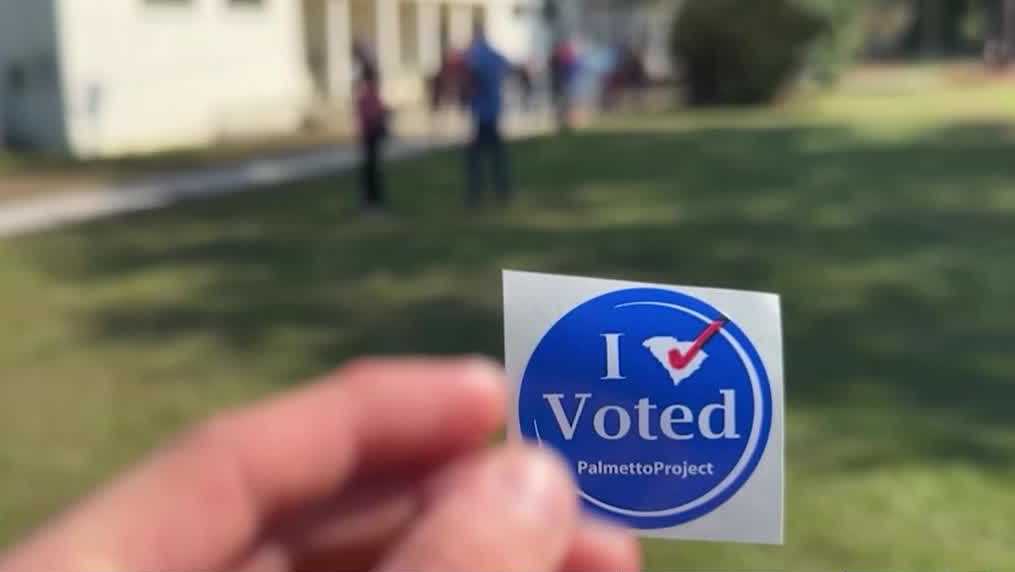
“I think the voting climate today is a little bit more, it’s just, there’s a little bit more animosity, there’s a little bit more anger, there’s a little bit more, tension in it,” said Nancy McInroy, a Bluffton voter, while discussing the political atmosphere following her Tuesday morning ballot.
While the physical act of voting in South Carolina appeared efficient for many, the underlying social temperature seems to be rising. Voters in Bluffton and Charleston expressed a shared sense of heightened political friction even as they participated in an election cycle that saw unprecedented engagement across the state, WJCL reported.
This tension arrives alongside a massive surge in civic participation. South Carolina has set a midterm early-voting record, with more than 1 million people casting their ballots during the state’s two-week early-voting window. This trend of high engagement isn’t isolated to the Palmetto State; North Carolina, Texas, and Georgia also reported record-breaking early-voting numbers this cycle.
Voters prioritize local infrastructure and party loyalty
Despite the perceived increase in political anger, many voters are focusing their attention on specific policy outcomes and party lines. In Charleston County, Prudence Napier noted that her decision-making was driven by a combination of partisan consistency and local necessity.
Napier stated she voted a straight Republican ticket and supported the final three ballot questions on her ballot. These specific measures are tied to local improvements, including roads and schools. She also voiced a firm stance on the civic responsibility of voting, suggesting that those who choose not to participate should not complain about the resulting decisions.
The debate over local funding remains a central pillar of the regional conversation. In Beaufort County, for instance, voters are weighing a penny sales tax proposal intended to fund a $780 million road plan. This highlights the direct link between the “animosity” noted by voters like McInroy and the tangible, high-stakes decisions regarding how community resources are allocated.
The human cost of a divided electorate
The contrast between record-breaking turnout and increased social tension creates a complex landscape for South Carolina’s civic health. On one hand, the data shows a highly mobilized electorate; on the other, the qualitative experience of voters suggests a breakdown in civil discourse.
“Yet when it really comes down to it, we as registered voters have the right to decide what we believe is right, and just have to really stick to our values,” McInroy said.
This sentiment reflects a growing trend where voters feel they must insulate their personal values from a more aggressive political environment. While the sheer volume of votes suggests a healthy democracy in terms of participation, the “anger” and “tension” described by residents indicate that the social fabric of the voting process is under strain.
As the state moves from early voting into the final tallying of results, the focus remains on how these record numbers will translate into legislative shifts. For voters like McInroy and Napier, the immediate next step is the anticipation of the Tuesday night results, which will determine the direction of both state-wide races and local infrastructure projects.
South Carolina’s election results include various contests across the state, including races for Governor, U.S. Senate, U.S. House, Attorney General, Secretary of State, State House, Comptroller General, Treasurer, and Agriculture Commissioner.
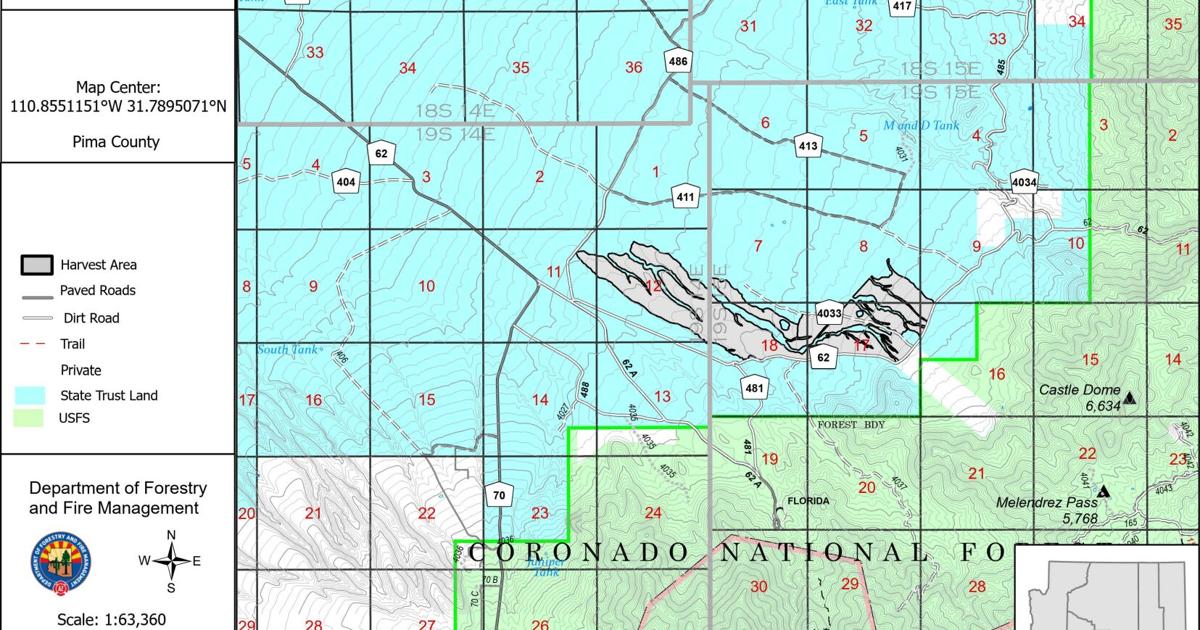
Protecting Madera Canyon: The Sawmill Fuels Reduction Project
Crews begin 1,000-acre fuel reduction project in Pima County Heavy machinery is moving into the Santa Rita Experimental...

UAA Men’s Basketball Season Opener: Turner Era Begins Against Evergreen State
Cameron Turner takes the helm at Alaska Anchorage For the first time in 22 years, the University of...

Mazda Toyota Manufacturing Hits One Million Vehicle Milestone
Mazda Toyota Manufacturing celebrates one millionth vehicle milestone in Huntsville “From the day we broke ground, our team...
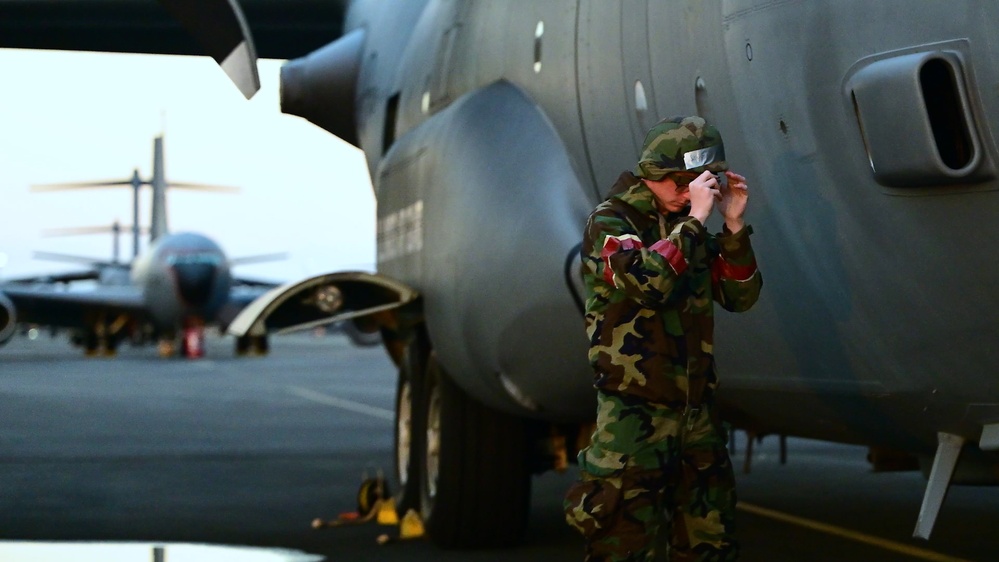
Wyoming Air National Guard Conducts Sentry Aloha 26-1 Training
Wyoming Air National Guard Airmen Deploy to Hawaii for Sentry Aloha 26-1 Airmen assigned to the 153rd Airlift...