Crews begin 1,000-acre fuel reduction project in Pima County
Heavy machinery is moving into the Santa Rita Experimental Range this week to begin a massive effort to curb the threat of high-intensity wildfires. The Arizona Department of Forestry and Fire Management (DFFM) announced it is launching the Sawmill Project, an expansive fuels reduction initiative designed to protect the Madera Canyon area and restore the natural balance of local desert grasslands.
According to reports from the Arizona Department of Forestry and Fire Management, the project involves 1,000 acres of mastication work. This process uses specialized equipment to grind down dense, overgrown vegetation, creating a strategic fuel break. The goal is to slow the spread of fast-moving wildfires that could otherwise devastate the landscape.
For years, the ecosystem in this part of Pima County has been shifting. Thick stands of mesquite trees and thorny catclaw brush have aggressively crowded out native grasslands. This buildup of woody material creates “heavy fuels”—dense biological matter that allows wildfires to burn with much higher intensity and speed than they would in a more open, grass-dominated environment.
Restoring the Santa Rita Experimental Range
The Sawmill Project isn’t just a defensive move against fire; it is a targeted ecological restoration. By reducing the density of invasive brush, the DFFM aims to allow native grasses to return to the area. As KVOA reported, this shift is expected to improve water availability in the soil and enhance the overall quality of grazing land.
This effort is a collaborative undertaking. The DFFM is working alongside the University of Arizona and the Arizona Game and Fish Department to manage the land. The location itself carries significant scientific weight; the Santa Rita Experimental Range is recognized as one of the oldest biological research ranges in the United States. This makes the success of the Sawmill Project a matter of both local safety and long-term scientific study.
The project also includes a community-focused component regarding the biomass being cleared. Rather than simply discarding the removed vegetation, crews will set aside portions of the mesquite to be used as firewood. These supplies will be donated to local communities and non-profit organizations. Any smaller brush or tree limbs that aren’t suitable for firewood will be chipped or masticated directly on-site.
Timeline and local impact
While the benefits to the ecosystem are long-term, the immediate impact will be felt by those living near the work zones. Residents in the vicinity of the project should prepare for increased activity and heavy machinery operating along Helvetia Road and Highway 62.
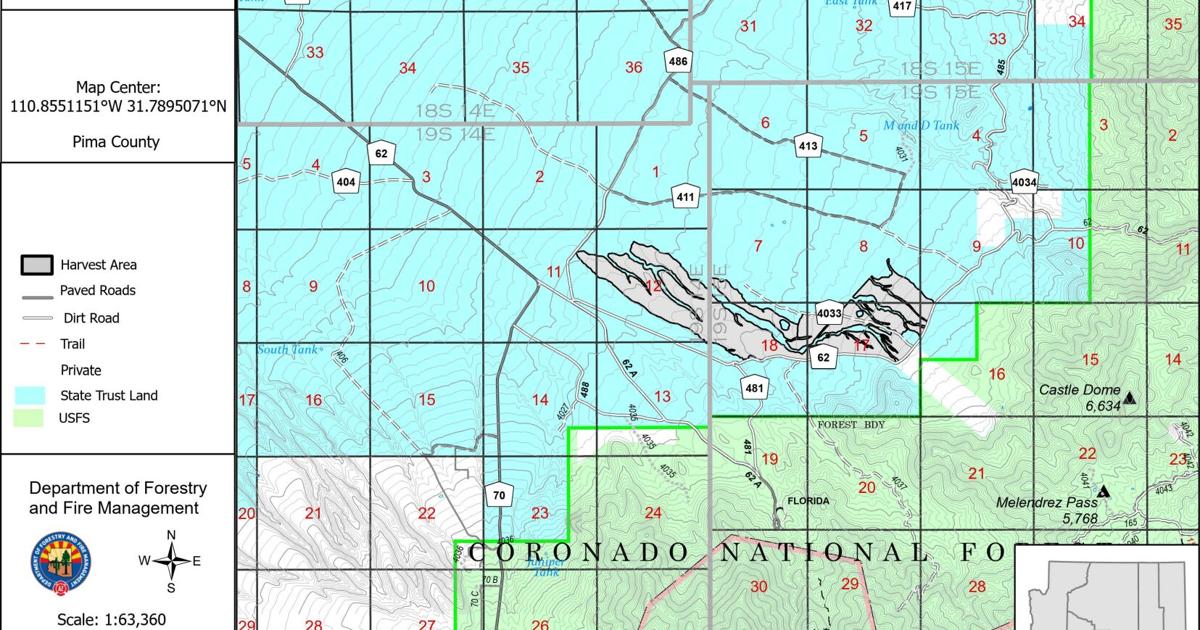
The work is expected to continue through the winter, with a target completion date of March 2027, though officials noted this timeline is subject to change depending on weather conditions. For those seeking specific updates or needing to contact the department, Public Information Officer Matthew Wilcox is available at 602-556-6502 or via email at [email protected].
As the climate continues to shift and wildfire seasons grow more unpredictable, the question remains how much more of this dense, woody fuel must be managed before the landscape reaches a new, more stable equilibrium.
Keep reading

Little Rock apartment fire destroys Broyles family possessions
Eleven-year-old Jacob Broyles was trembling when the fire reached his family's apartment in Little Rock, Arkansas. On May...

Alabama Felon Timothy Shane Postell Sentenced to 130 Months in Prison
Timothy Shane Postell sentenced to 130 months in federal prison Timothy Shane Postell, a 40-year-old resident of Bessemer,...

Ella Agee Launches Honey Bean Mobile Coffee Business After Graduation
Ella Agee Launches Honey Bean Mobile Coffee Operations in Bucyrus Ella Agee, a 2026 graduate of Colonel Crawford,...
Northern Cheyenne court denies Gene Small request for en banc review
Tribal Appellate Court denies en banc review in Northern Cheyenne leadership dispute The Northern Cheyenne Appellate Court has...