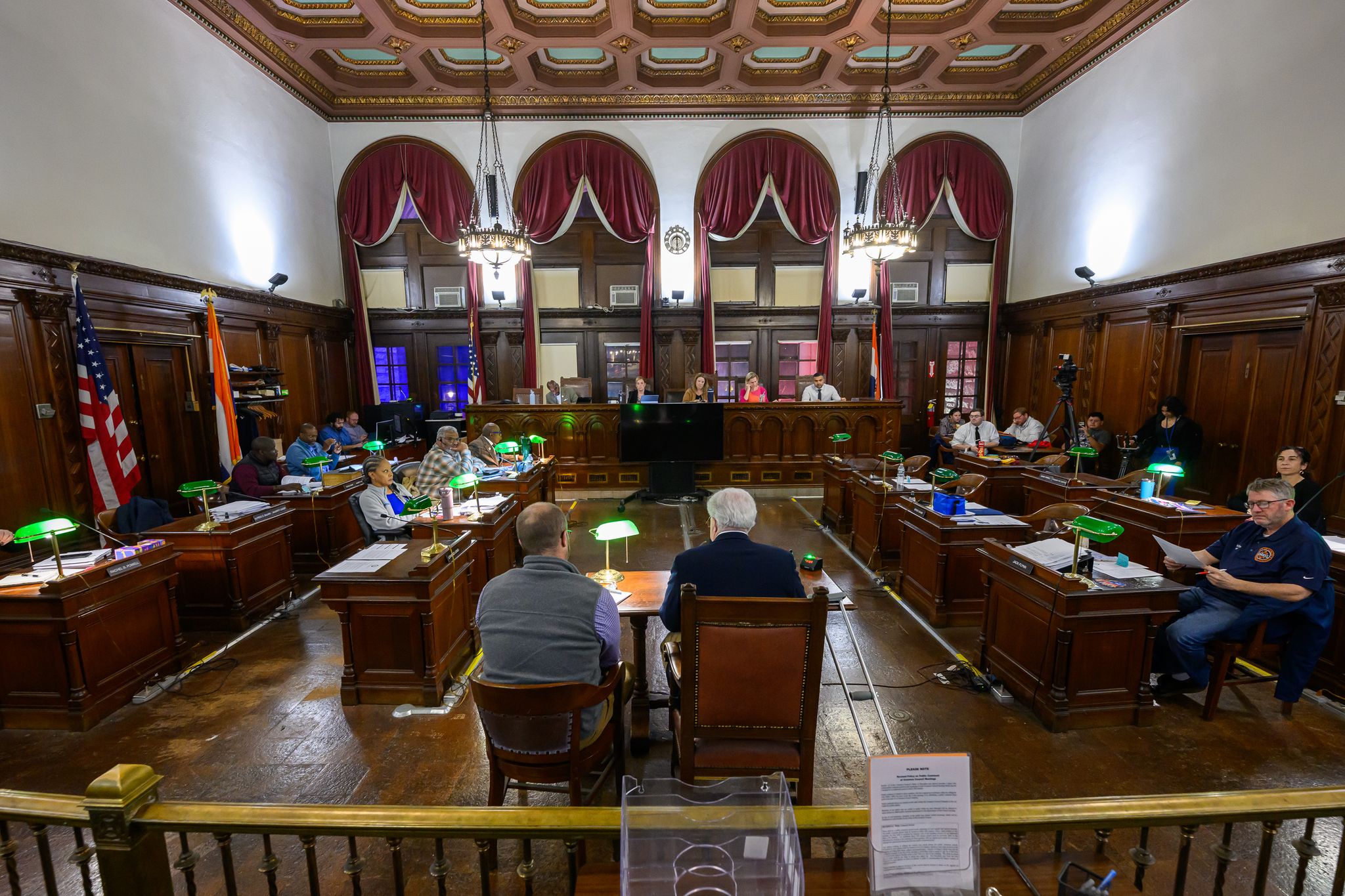
The board writes that projected structural deficits stand at $26 million for 2026 and $33.3 million for 2027, according to reporting by Patrick Tine.
A September audit from the state comptroller’s office concluded the city’s budgeting has been detached from reality for years and violated bedrock rules of public administration, such as not using one-time funding streams to support recurring costs. In the weeks since that audit, the city sought $10 million in revenue anticipation notes to cover payroll through year-end, a step not taken since 2016. When Common Councilmember Deirdre Brodie noted this on social media, City Treasurer Darius Shahinfar and Deputy Mayor Chris Ellis held what was supposed to be a secret meeting to scold her. They suggested her criticism could prompt a second credit downgrade — an allegation the board calls “bogus and self-serving” that S&P Global promptly rejected. Applyrs’s plan includes a 15 percent property tax levy increase requiring a supermajority of nine votes under the state tax cap law.
The Finance Committee cleared a 13.5 percent increase, which the mayor has said she will accept, though she has not laid out how to close the gap between the two figures. Councilmember Owusu Anane, the majority whip, told Tine that nine votes exist for the smaller increase. If that count fails, the mayor’s full proposal takes effect but roughly 9 percent of new revenue would go unused because of the tax cap.
The board writes that property owners would be punished two ways: a higher tax rate and deeper-than-expected service cuts. The board advocates passage of the amended plan to stave off that outcome but joins council members in skepticism that the plan is sufficient.
It cites a deficit of hard choices and the preservation of too many sacred cows — usually involving public worker unions — that will haunt the city. The board calls on the council and mayor’s office to follow any deal with a new spirit of accountability and transparency.
Worth a look
- Newark Public Schools Launches $250K Docuseries to Recruit Students, Teachers
- Kentucky Bourbon Output Falls 30% in 2025, Aging Stocks Hit Record 17.5M Barrels
- Leftover Antibiotics Fuel Global Resistance Crisis; Lancet Study Warns of Rising Deaths (archyde.com)
- MI5 warns UK firms supporting Ukraine of Russian arson threat (newsarchyuk.com)

Newark Public Schools Launches $250K Docuseries to Recruit Students, Teachers
Newark Public Schools has launched a three-episode docuseries called “Newark Wonder” to recruit students and teachers, investing $250,540...

Kentucky Bourbon Output Falls 30% in 2025, Aging Stocks Hit Record 17.5M Barrels
Kentucky Bourbon producers cut output by nearly 30% in 2025, yet aging stocks hit a record 17.5 million...
Justice Jay Jorgensen Invested to Utah Supreme Court; Justice Alito Administers Oath
Justice Jay T. Jorgensen was formally welcomed to the Utah Supreme Court on Monday during an investiture ceremony...

Opinion: NH Faces Mass Police Suspensions Over Fitness Tests; Drye Urges Job-Specific Reform
Drye, an EMT and former state representative from Plainfield, writes that 499 officers have not completed the required...