Boise’s commercial real estate sales volume is topping nearby markets like Salt Lake City, Portland and Seattle, even as the city delivers only 49 percent of its typical multifamily pipeline.
Data presented Tuesday at the Urban Land Institute’s Emerging Trends event by American Realty Advisors showed annual sales volumes exceeding those of Fresno, Salt Lake City, Portland and Seattle. Hawkins Managing Director of Capital Markets Ryan Carlson said the activity has drawn interest from J.P. Morgan, Wells Fargo and Bank of America. “Boise is having a moment,” Carlson said.
“I may be kind of early in this belief, but I do think Boise is competing with Denver and Salt Lake, and I think people are really looking at that from the equity lens. Like, where should I place my bet? And the fundamentals here, and the story, and the jobs, and what you’re seeing are better than those markets.”
Idaho remains one of the fastest-growing states, driven largely by residents aged 55 and older who kept arriving even when hiring stalled in 2024 and 2025. Year-to-date job growth in 2026 has already surpassed the previous two years, with Micron’s two new semiconductor fabrication plants and a $10 billion research campus on the horizon.
Rents have climbed more than 12 percent this year. ARA data shows 45 percent of buyers have a budget of $300,000 or less, while properties at that price point make up roughly 10 percent of supply. Multifamily completions in 2026 are tracking at about half the five-year average.
| Market | Share of 5-year average |
|---|---|
| Los Angeles | 83% |
| San Francisco | 69% |
| Salt Lake City | 53% |
| Seattle | 51% |
| Boise | 49% |
Roundhouse Vice President of Investments Garrett Greene said his portfolio shows new lease signers paying about 22 percent of income on rent, well below the 30 percent affordability threshold. “I do think we’re in a really good spot that we don’t have a massive affordability issue today as it relates to our current renter base across Roundhouse’s portfolio in the Treasure Valley,” Greene said.
Still, he said capital that once chased multifamily development is flowing to data centers or acquisitions, waiting for distress. “Despite a really good fundamental picture here, we are kind of limited by the national outlook on development right now,” he said.
Roundhouse’s 300-unit project on the Bench illustrates that deals can still close. “Deals are getting done in Boise, which I think is a testament to how strong the market is here,” Greene said. He pointed to investors with discretionary capital or those already sold on the Boise story as the ones moving projects forward.
Boise, the capital of Idaho and seat of Ada County, had a population of 235,685 in 2020 and anchors the Treasure Valley metro area of 846,000.
The city’s name derives from French trappers’ term “la rivière boisée” for the tree-lined Boise River valley, an oasis in the high desert that became a landmark on the Oregon Trail. Today it is home to Micron Technology and Hewlett-Packard, anchoring the tech-driven job growth cited in the market’s current expansion.
Capital City Development Corp. Executive Director Robyn Sellers said urban renewal can bridge financing gaps. CCDC recently selected Outwest Investments LLC to build a four-story, 90-home complex on Roe Street with rents affordable to households earning 60 to 120 percent of area median income through 2042.
“As Boise’s urban renewal agency, we look at what’s the gap, where is the gap, and if it’s putting in infrastructure, then we can help with putting in infrastructure correctly,” Sellers said. CCDC and Outwest are now negotiating the final project agreement.
Keep reading

Rockets Rout Pacers 119-104 Behind 19 Three-Pointers, Balanced Scoring
The Houston Rockets routed the Indiana Pacers 119-104 on Wednesday night at Gainbridge Fieldhouse, with Kevin Durant scoring...

Teen Wanted in Connecticut Shooting Arrested in Mesa After Two-Month Search
A 17-year-old wanted in a September shooting that critically injured another juvenile in New Haven, Connecticut, was arrested...
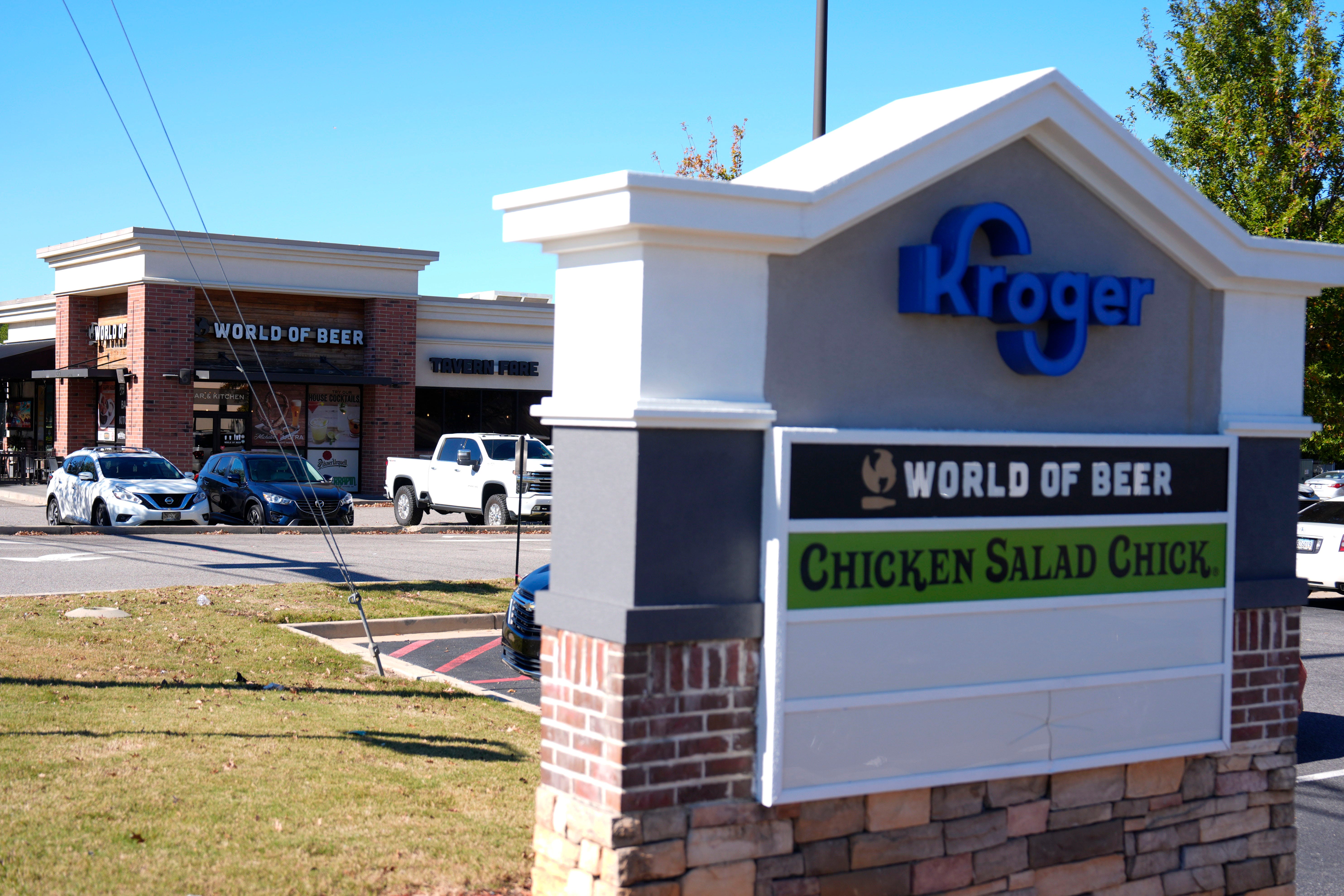
Augusta Chronicle: World of Beer Site Listed in Urgent Care Clinic Plans
Plans filed for an urgent-care clinic at 2819 Washington Road signal the likely end of the World of...

Boston Zoning Commission Adopts New Cleary Square Squares + Streets Zoning to Support Housing and Small Businesses
The Boston Zoning Commission adopted new zoning for Hyde Park's Cleary Square on Wednesday, capping nearly three years...