Peanut allergy is among the most clinically severe food allergies, affecting millions of people and carrying a constant risk of anaphylaxis. For most patients, management relies entirely on strict avoidance and the emergency use of adrenaline injections. Existing treatments like small-dose immunotherapy often require continuous, lifelong exposure and can carry risks of allergic reactions during the therapy itself. Desperate for a lasting solution, patients seek permanent disease modification rather than indefinite management.
How Frozen Microbe Pills Were Tested on Peanut Allergies
Earlier work by researchers at Boston Children’s Hospital showed that transferring stool samples from healthy babies into allergy-prone mice protected the animals from anaphylaxis, leading the team to identify specific protective bacterial strains. To test whether this approach translates to humans, investigators designed a trial using odourless and tasteless capsules containing gut bacteria harvested from healthy donors without a peanut allergy.
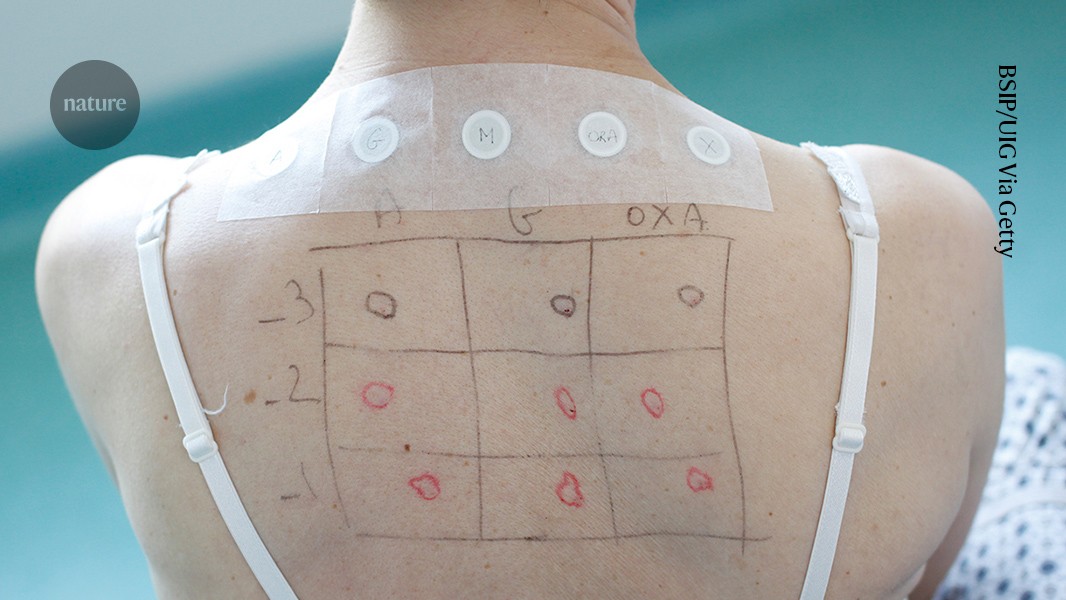
The study enrolled 15 participants in total. In the initial phase, 10 young adults with severe peanut allergies took a one-time treatment of 36 pills over a few hours. When tested four months later, three participants improved by tolerating multiple peanuts. In a subsequent group of five participants, patients took antibiotics for four days before receiving the fecal transplant to reduce competition from their own resident gut microbes. Following this preparation, three of those five participants also improved, successfully ingesting more than four peanuts before experiencing a reaction.
The Role of Rothia Species and Bile Acid Metabolism
Parallel research adds structural context to how specific microbes interact with allergens. Investigators at McMaster University examined how the gut microbiome processes dietary proteins before they trigger the immune system. In laboratory and animal experiments, researchers discovered that Rothia species efficiently degraded major peanut allergens, reducing their capacity to bind immunoglobulin E (IgE) antibodies and activate mast cells.
When analyzing human samples, the McMaster team found that Rothia was less abundant in patients who were highly susceptible to severe reactions. Meanwhile, the Boston trial investigated blood samples and found that transplant recipients who responded to the therapy had increased levels of bile salts compared to non-responders. The good bacteria from the transplants metabolized bile salts more effectively, which in turn promoted the growth of immune regulatory cells that enforce oral tolerance.
What Tolerating the Allergen Looks Like
Before entering the trial, participants could not consume more than 100 milligrams of peanut protein—an amount found in less than half a peanut—without triggering an immune response. Four months after receiving the microbes, one person could consume 300 milligrams, and five people could eat 600 milligrams or more, roughly equivalent to two and a half peanuts.
Independent experts describe the results as a notable departure from conventional management strategies. Cathryn Nagler, an immunology researcher at the University of Chicago, noted that previous evidence had been confined to animal models, calling human efficacy “exciting.” Edwin Kim, an allergist at the University of North Carolina at Chapel Hill, emphasized that the lasting benefit addresses a primary drawback of existing therapies, whose protective effects typically wane once treatment stops.
Next Steps in Microbiome Research
Not all participants responded to the treatment. Researchers suggest that factors such as gender differences—five of the six responders were men—or the single-day delivery method might have prevented the donor bacteria from permanently establishing themselves in non-responders.

To build upon these findings, Rima Rachid is leading a new study in collaboration with Alexander Khoruts of the University of Minnesota. This subsequent trial utilizes a purified, concentrated microbial formulation that can be stored in a home refrigerator, allowing patients to take capsules at home under medical supervision before undergoing food challenges. A third ongoing study evaluates the combination of this concentrated microbe therapy alongside peanut oral immunotherapy.
Keep reading
Congo Begins Bundibugyo Virus Vaccinations for Health Workers in Bunia
Congo launched Ebola vaccinations in Bunia on Saturday for healthcare staff and frontline workers in the deadliest outbreak...

UK Government Urges Everyone to Take Daily Vitamin D Pill from October 1
People across the UK have been urged by the Government to begin taking a daily vitamin D supplement...

Chronic Stress And Inflammation Cause Silent Structural Heart Damage
A major UK study of nearly 480,000 adults reveals that chronic stress and long-term inflammation cause silent, lasting...
Max Planck Institute Unveils New Tools to Identify Pathogenic Variants
Researchers at the Max Planck Institute for Molecular Genetics have unveiled new bioinformatics tools called Dicast and TandemTwister...