
Kansas Governor’s Race Undecided as Secretary of State Orders Close-Race Audit
Washburn student Brylee Miller felt the pinch of everyday expenses long before casting her ballot in Topeka. “The cost of my gas just kept going up, and so that was kind of stressful in situations,” Miller said, highlighting the economic anxieties that drove voters to the polls.
Those local pressures collided with a statewide ballot, leaving the gubernatorial contest between Democrat Cindy Holscher and Republican Ty Masterson without an immediate winner, WIBW reported.
Audits Triggered Across Six Tight Contests
The Secretary of State’s office intervened, calling for a close-race audit in the governor’s contest alongside five other races where the vote margin sits at less than 1 percent. Under the state’s audit protocol, election officials across participating counties must hand-check 10 percent of their precincts to verify that machine totals align with physical paper ballots.
In the Kansas House of Representatives, Republicans lost their coveted supermajority, altering the political math in Topeka.
Bill Fiander, a lecturer at Washburn University, pointed out how the erosion of legislative dominance changes the governing playbook if Holscher ultimately secures the executive office.
“The threat of the veto now is even more real when you don’t have the two-thirds to override a governor’s veto, and so, you’ll have more Democrats on positions of influence on committees and leadership,” Fiander said.
Voter Turnout and Down-Ballot Momentum
Fiander suggested that Holscher beating Masterson registered as the true surprise of the night, driven by voters adopting a strategic mindset down the ballot.
“A lot of people were energized by Adam Hamilton on the Democratic side, or ended up voting Democrat, and I think that also got people thinking kinda down the ballot sort of strategy,” Fiander said.
For younger voters facing cost-of-living challenges, the act of participating carried its own weight. Nessa Griffith, another Washburn student, emphasized the fundamental role of civic participation despite the lingering uncertainty over the final tally.
“I’m happy to see that so many people, just in general, went out to vote. It’s very important that we do go and vote because every vote does count,” Griffith said.
Worth a look
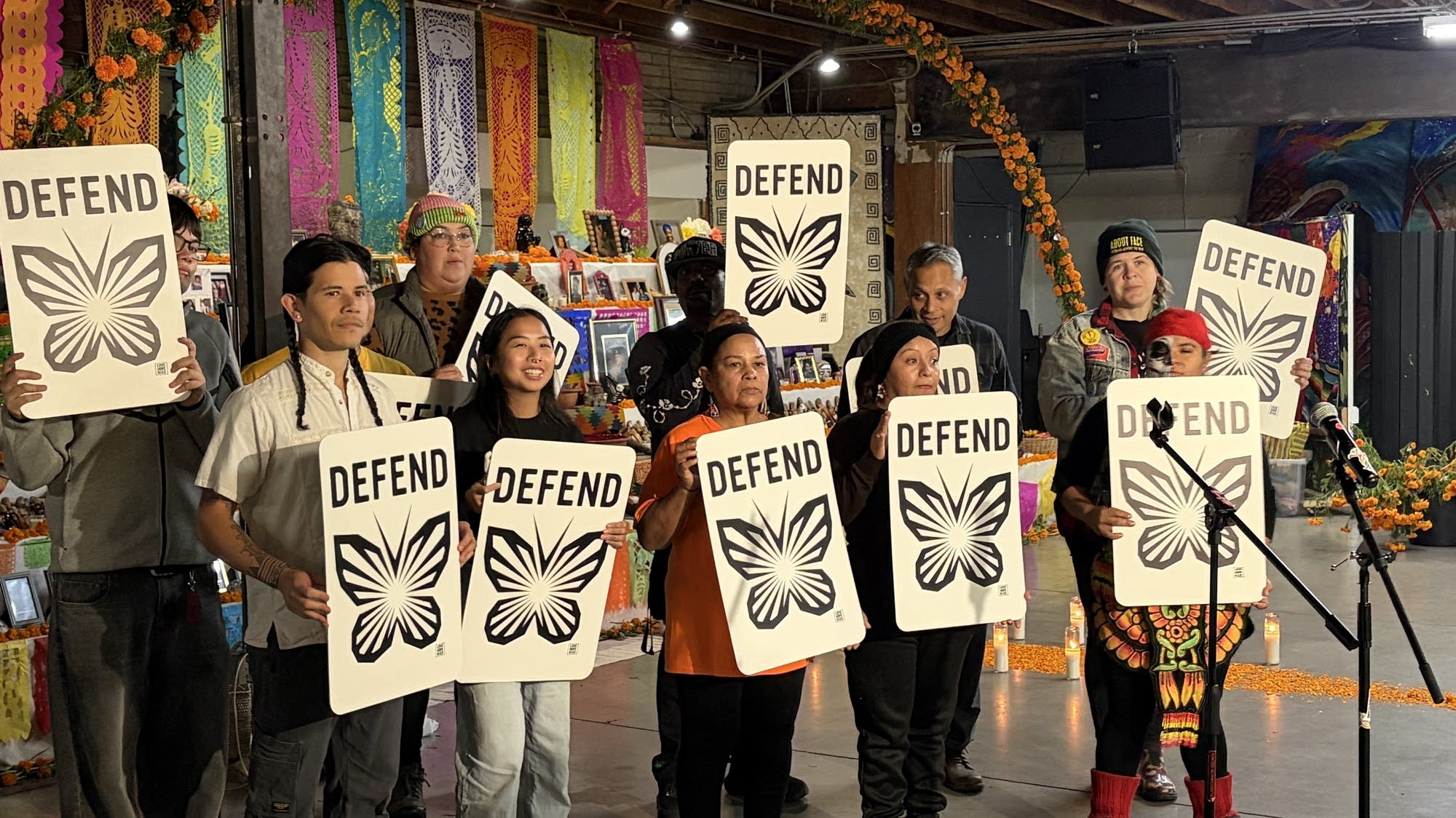
Activists Demand Investigation Results Into St. Paul Police Clash
The Standoff on Rose Avenue: A Year of Silence It has been nearly 365 days since the air...
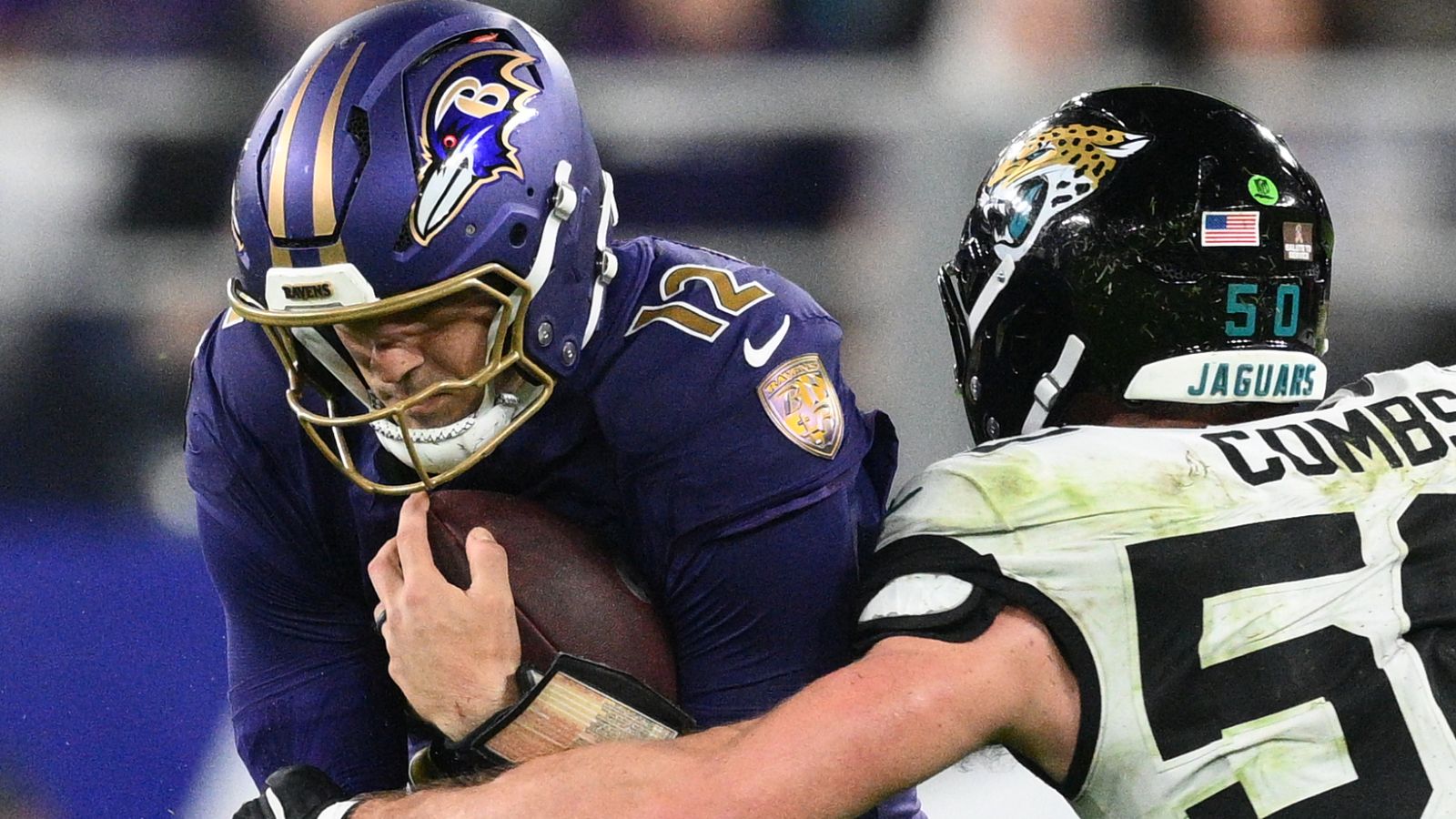
Jacksonville Jaguars beat Baltimore Ravens as Joe Fagnano throws two interceptions
The Baltimore Ravens’ Quarterback Crisis Deepens After Thursday Night Collapse The Baltimore Ravens entered Thursday night’s matchup against...
Father of 3 Killed in Motorcycle Crash, Family Says
A Father's Final Ride: Henry Moore Dies a Day Before His Daughter's Birthday Henry Moore, a 37-year-old father...
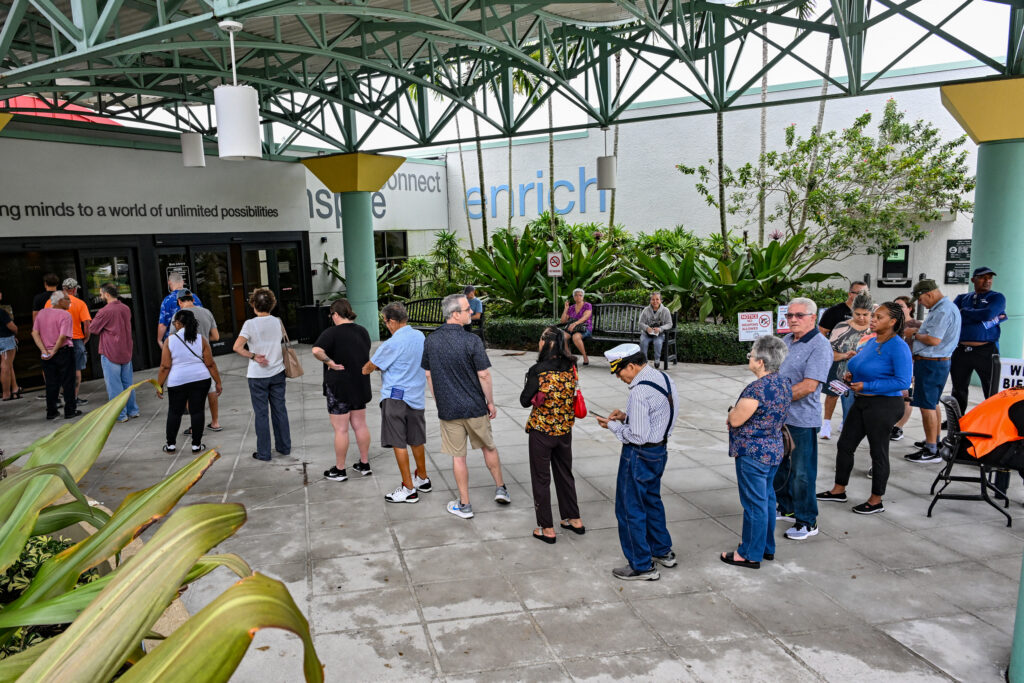
Florida Republicans Hold Statewide Power Amid Narrow Election Victories and Democratic Gains
For years, Florida was a must-win swing state, opting six times in a row for the prevailing presidential...