Moving capital to community ownership costs roughly 21 cents per dollar deployed — more than double the operating expense of traditional funds — because the work demands smaller deals, flexible terms, and patient coaching rather than credit scores, the Boston Impact Initiative reported this fall.
That gap is not inefficiency. It is the price of inclusion, and philanthropy covers the difference between what the work costs and what it earns, allowing investors who are not accredited to sit alongside foundations and family offices in the same deals.
The math behind the mission
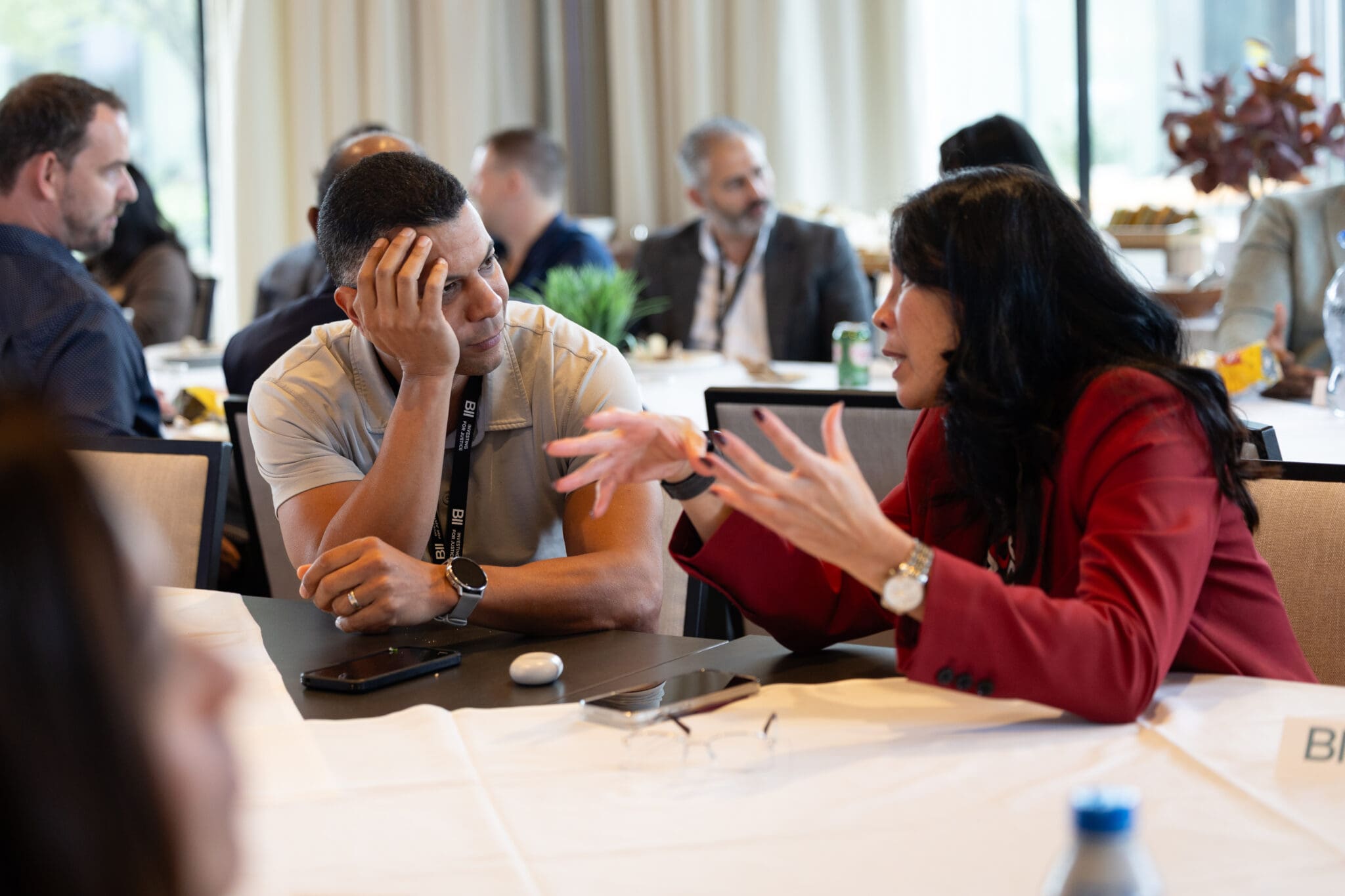
At Boston Impact Initiative, the investing work costs more than it earns by design. The team spends time getting to know entrepreneurs and preparing them for capital. Diligence is built on relationships, not credit scores or personal guarantees. Terms are fair, and the fund charges no fees for capital or for support. When a business hits a hard season, the fund defers and restructures rather than calling the loan.
We never pass that cost to entrepreneurs through fees or extractive terms. And sometimes, despite everyone’s best efforts, a business closes. Taking that risk, and funding it in advance, is part of what this work costs.
Betty Francisco, CEO, Boston Impact Initiative
Every investment includes technical assistance and coaching, before the check and long after, delivered by a team that is proximate, bilingual, and trusted in the communities served. The fund measures and manages its impact and shares learnings through the ARC fund manager education program. Each of those activities has a cost that philanthropy subsidizes.
What the capital has built so far
Since launching Fund II in 2022, Boston Impact Initiative has invested $10.4 million in fair, flexible capital across 30 enterprises and community-controlled real estate projects. The portfolio today includes 818 affordable homes built or preserved, up from 114 as real estate investing expanded. Portfolio companies have raised more than $189 million in follow-on capital, up from $90 million, and the portfolio supports about 1,000 jobs, with 74 percent of businesses owned by people of color.
The reach extends beyond New England.
A contractor’s path from a $75 printer to a union shop
Months later the pandemic hit. She held on, and she built the company with the women who had been with her from the beginning.
Wealth creation “extends beyond me.”
Jeysi Zuniga, founder, Synergy Contracting
The 1 percent target in Massachusetts
The goal is to move 1 percent of the state’s $9 trillion in private wealth toward housing, climate resilience, community development, and the arts — a $90 billion target. A fraction of that 1 percent could build much of the 222,000 homes the state needs and fund hundreds of local businesses.
The initiative welcomed its sixth cohort of ARC Fellows this fall, bringing the network to more than 100 leaders launching impact funds in their own communities.
Betty Francisco joined Boston Impact Initiative as CEO in 2021 and led the launch of Fund II and the organization’s certification as a Latina-led Community Development Financial Institution. Before that, she served as General Counsel at Compass Working Capital and as Executive Vice President and General Counsel for Sports Club/LA and Reebok Sports Club/NY, which Equinox Fitness acquired in 2014.
She co-founded Amplify Latinx, a nonprofit advancing Latino American prosperity and leadership representation in Massachusetts, and holds a JD and MBA from Northeastern University and a BA in History from Bard College.
Francisco serves on the board of directors of the Federal Reserve Bank of Boston. The views expressed are her own.
Related reading

Jeff Bzdawka Says Lifetime Award Represents Team Effort, Not Solo Work
Jeff Bzdawka accepted the Hotel Visionary Lifetime Achievement Award from Hospitality Technology on Thursday evening in Las Vegas,...

Atrium Health Rolls Out Visitor Restrictions, Mask Rule Starting Thursday
Atrium Health is rolling out temporary visitor restrictions across its hospitals starting Thursday, barring children ages 12 and...

Fairmont St. Outlasts Indiana (PA) 70-66 with Fourth-Quarter Surge
Fairmont State outlasted Indiana (PA) 70-66 on Thursday night, using a 12-0 run early in the fourth quarter...

American President Meets Putin, Xi at China Summit; Tech Meltdowns Plague Administration
Two dictators, one photo op, and zero substance. That was the yield from the trilateral summit in China...