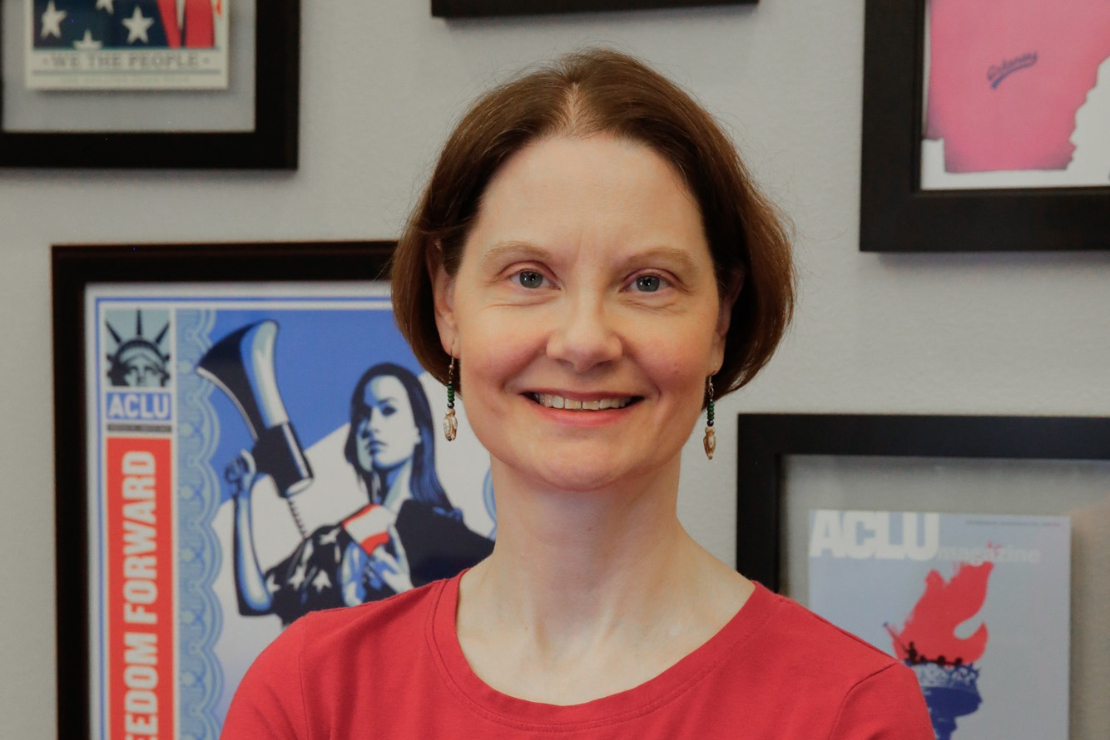
Darcie Rives-East argues in a profile for the ACLU of South Dakota that defending civil liberties requires more than courtroom battles — it demands the daily, often invisible labor of organizing and community vigilance.
Rives-East, who serves as Special Assistant to the Executive Director for the ACLU of South Dakota, North Dakota, and Wyoming, traces her commitment to the First Amendment back to high school journalism classes in Omaha, Nebraska. She learned then that the ACLU defended student reporters against censorship, establishing the principle that constitutional rights do not end at the schoolhouse door.
That lesson carried through a career teaching American literature at Augustana University in Sioux Falls, where she used texts like W.E.B. Du Bois’s The Souls of Black Folk to show students that voting rights remain the primary lever of equality.
Rives-East connects the current wave of book bans and classroom censorship to the Du Bois–Washington debate she taught for decades: without the franchise, she argues, every other right becomes negotiable. She points to South Dakota laws requiring additional proof of citizenship that have already purged U.S. citizens from voter rolls or relegated them to “federal-only” ballots.

“If they were not, there would not be such persistent efforts to disenfranchise African Americans and other marginalized groups,” Rives-East said, recalling how she framed Du Bois’s argument for students. “We are even hearing rumblings in some quarters about rescinding women’s right to vote, a hard-won victory that my own grandmother helped secure.”
Her academic background shapes the chapter’s operational strategy. After earning a Ph.D. in American Literature from the University of Nebraska–Lincoln in 2006, Rives-East spent years designing curricula that centered marginalized voices. Now she applies that same structural thinking to the ACLU’s internal workflow, handling organizational mechanics so litigators and advocates can focus on emergency filings and public education campaigns.
“Behind-the-scenes work matters because it frees staff to focus on the civil liberties challenges facing our states and the strategies needed to address them,” Rives-East said. “Just as importantly, the chapter’s work must be communicated clearly and effectively across teams so that staff can be as responsive, collaborative, and efficient as possible.”
The profile reveals a practitioner who resists the “changemaker” label. Rives-East describes herself as support staff for the attorneys, organizers, and former students who carry the forward edge of litigation and protest. Her reading habits — Sherlock Holmes pastiches, speculative fiction by women, British comedy — reflect a mind trained to spot patterns and hidden motives, skills she now deploys tracking legislative language across three state capitols.
She warns that civic disengagement is a luxury no community can afford. Legislation targeting trans youth or restricting library collections, she notes, eventually expands to threaten broader populations. The South Dakota citizenship-documentation requirement, initially framed as election security, has already caught native-born citizens in its net.
“Any attack on civil liberties is ultimately an attack on all of us, not just a particular group,” Rives-East said. “That is why I believe protecting civil liberties requires broad community engagement and vigilance.”
Darcie Rives-East has published scholarship on surveillance and incarceration in post-9/11 British and American television, including a 2015 article in The Journal of Popular Culture analyzing the series Sherlock and a 2019 book chapter examining prison narratives as apparatuses of social control in the U.S. and U.K. Her academic work also addresses the structural challenges of interdisciplinary teaching, particularly bridging sciences and humanities, drawing on faculty interviews and instructional literature to outline strategies for course design.
Her advice for new organizers is pragmatic: map the ways your current job already serves others, then extend that radius. The First Amendment remains her constitutional lodestar, not as an abstract principle but as the mechanism that keeps uncomfortable truths in circulation.
She cites Langston Hughes’s “Let America Be America Again” as a text that acknowledges betrayal while insisting the promise is still retrievable — if people show up to claim it.
Keep reading

OSHA Proposes $340,479 in Penalties After Conveyor Belt Injures Two Workers at NJ Bakery
A single conveyor belt in Swedesboro has now injured two workers in four months, and the federal government...

Irmo Fire District Seeks Firing of Columbia Fire Chief, Assistant Chief in Muller Death Lawsuit Offer
The Irmo Fire District filed a settlement offer on November 16 that demands the firing of Columbia Fire...

OKCPS Payroll System Errors Dock Hundreds From Teacher Paychecks
Oklahoma City Public Schools educators are missing hundreds of dollars from their paychecks less than two months after...
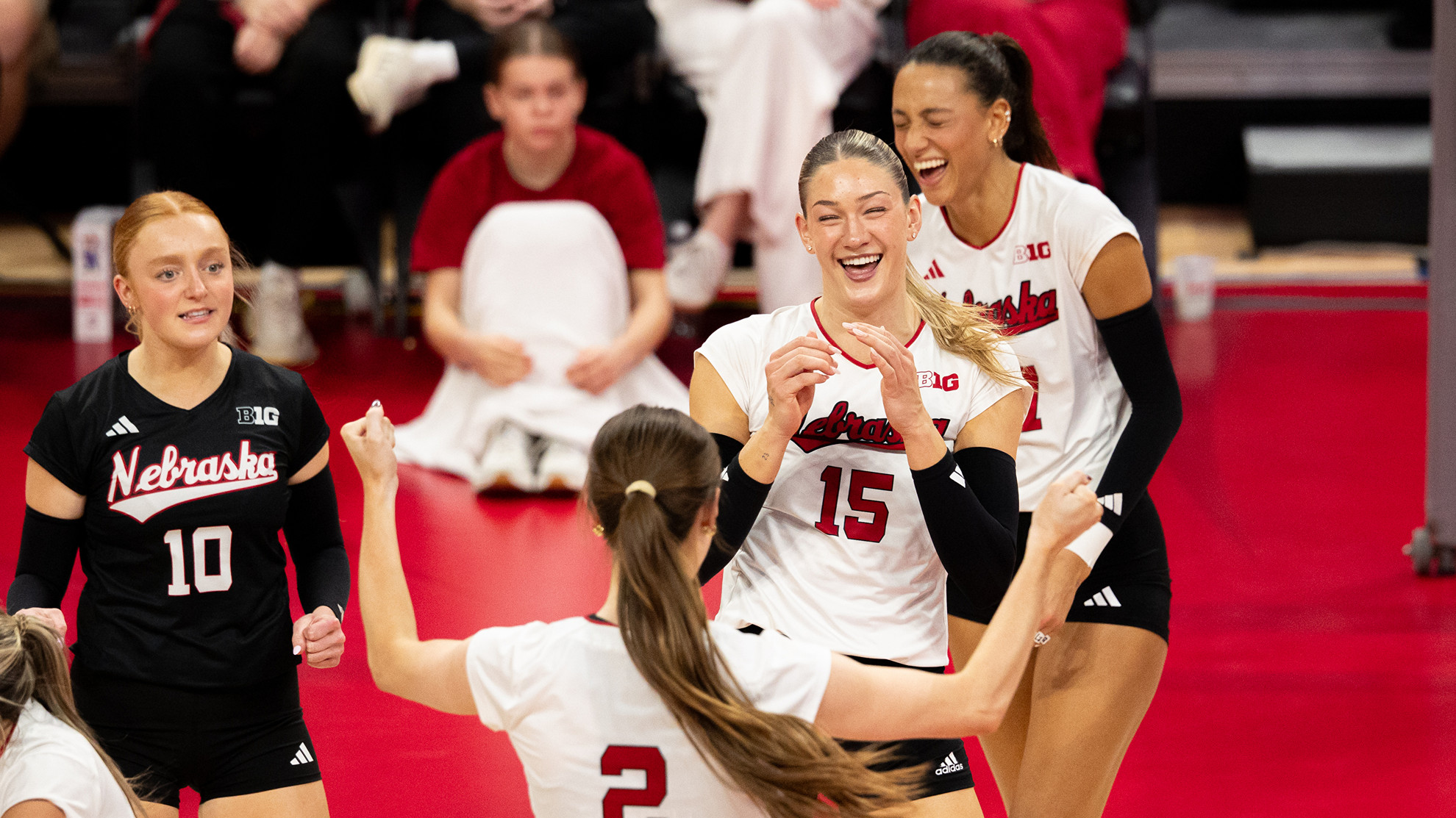
Six Nebraska Players Claim Big Ten Record first-Team Honors
Six Nebraska players claimed First-Team All-Big Ten honors Thursday, a conference record that arrived hours after the Huskers...