
Brent crude rose nearly 3% on Wednesday to $93.90 per barrel at 11:18 a.m. ET, more than doubling its earlier gain, as OilPrice.com reported.
The jump wiped out part of a steep 21% slide for Brent since the start of November. Traders had driven prices down on bets that the war was winding down.
Those bets dissolved after Iran denied that any diplomatic negotiations with Washington are underway. Mohsen Rezaei called recent reports of a meeting in Qatar “pure lies” spread to push down oil prices.
Iranian President Masoud Pezeshkian accused the U.S. of conducting diplomacy through threats. Meanwhile, Secretary of State Marco Rubio rejected Iran’s demand for war reparations.
UBS analyst Giovanni Staunovo pointed to fading hopes of an imminent de-escalation. Bloomberg columnist Javier Blas called Brent at around $90 an oddity, noting it is too low if the U.S. and Iran escalate and too high if they sign a deal.
Market Shifts Across Global Benchmarks
WTI rose nearly 2% to $87.98 per barrel, mirroring the sudden upward pressure on crude. Heating oil, which serves as the U.S. diesel benchmark, jumped 4.1% following supply disruptions overseas.

Market participants disregarded the American Petroleum Institute’s figures showing a 9-million-barrel expansion in domestic crude stockpiles for the week concluding November 6.
The Roadblocks to Gulf Oil Flow
Even if a diplomatic deal materializes, analysts warn that Gulf flows will not return to normal immediately. LSEG Oil Research said that traffic through Hormuz will depend heavily on mine clearing, insurance costs, and shipowners’ willingness to take on risk.
Data from the Washington Institute for Near East Policy shows that 37 vessels were targeted by attackers during October, marking a monthly peak since the conflict started.
Saudi Arabia reported October output near pre-war levels, providing a steady baseline while geopolitical tensions keep markets volatile.
Keep reading
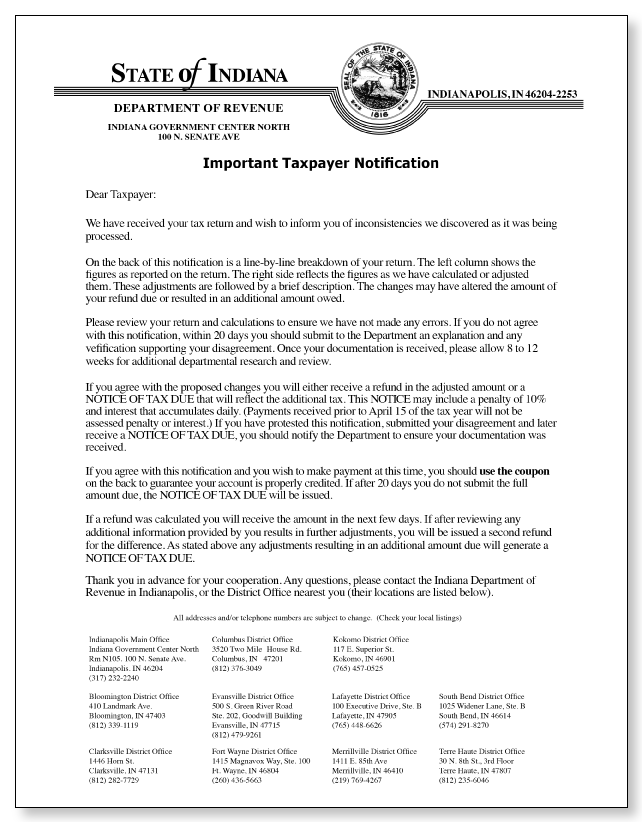
Indiana Dept of Revenue Asks Taxpayers to Take Identity Survey
The Indiana Department of Revenue is asking taxpayers to participate in an electronic identity confirmation quiz to evaluate...

A New Full-Time Payroll Associate Role in Springfield, New Jersey
A new full-time payroll associate role in Springfield, New Jersey, carries a salary range of $60,000 to $70,000,...
One Dead in US 12 Crash Near Orofino After Deer Collision
A 36-year-old woman from Kamiah, Idaho, died Tuesday after a deer was launched into her vehicle on US...

Former Prosecutor Katherine Kealoha to Move to Federal Halfway House
Katherine Kealoha, the former deputy city prosecutor whose conviction once shook the foundations of Honolulu’s legal and law...