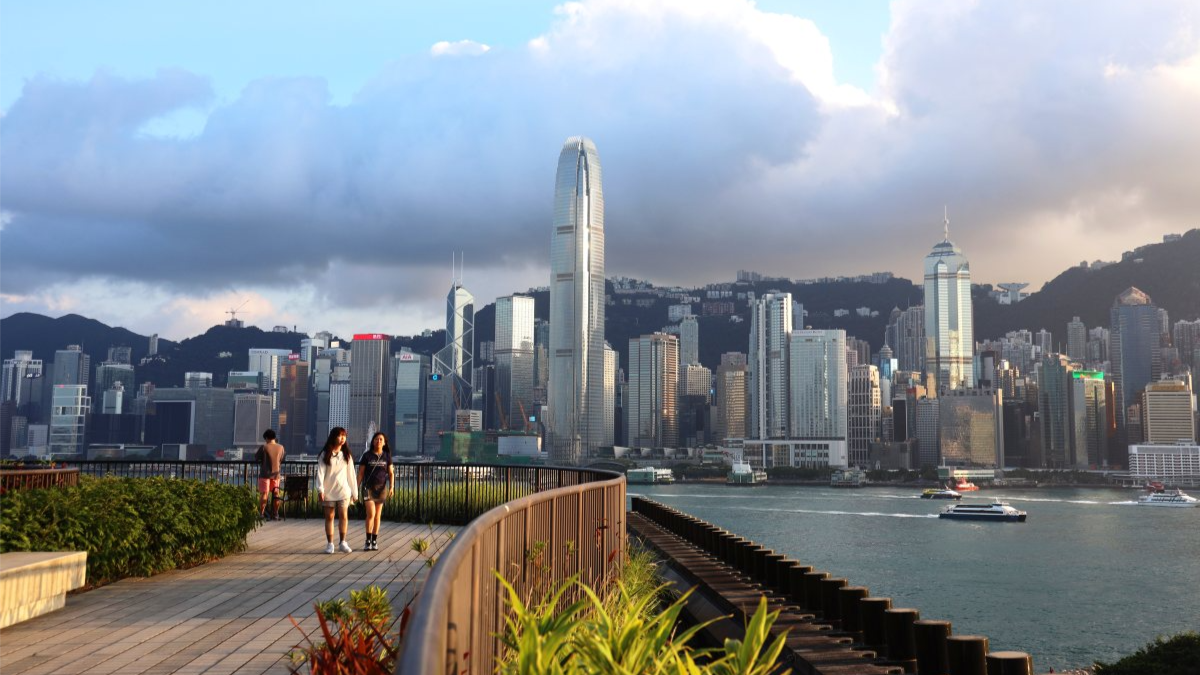
Diplomatic missions of Belt and Road Initiative countries in Hong Kong have endorsed the city's first Five-year Plan for Economic and Social Development (2026-30) and the 2026 Policy Address, calling the blueprints a clear roadmap for using "one country, two systems" advantages.
The Consulate General of Pakistan in the HKSAR described the plans as “visionary, practical and firmly grounded” in the city’s unique strengths, according to a written reply to China Daily. The consulate said that Hong Kong’s integration into China’s overall development would reinforce its status as a global innovation and talent hub.
Pakistan is teaming up with Hong Kong in finance, logistics, shipping, information technology and digital assets, the consulate said. It believes measures to strengthen the offshore renminbi platform, professional services and international capital markets will win global confidence.
“Hong Kong’s focus on building a Muslim-friendly environment is also commendable,” the Pakistani mission said, adding the plans can enhance competitiveness and contribute toward shared prosperity.
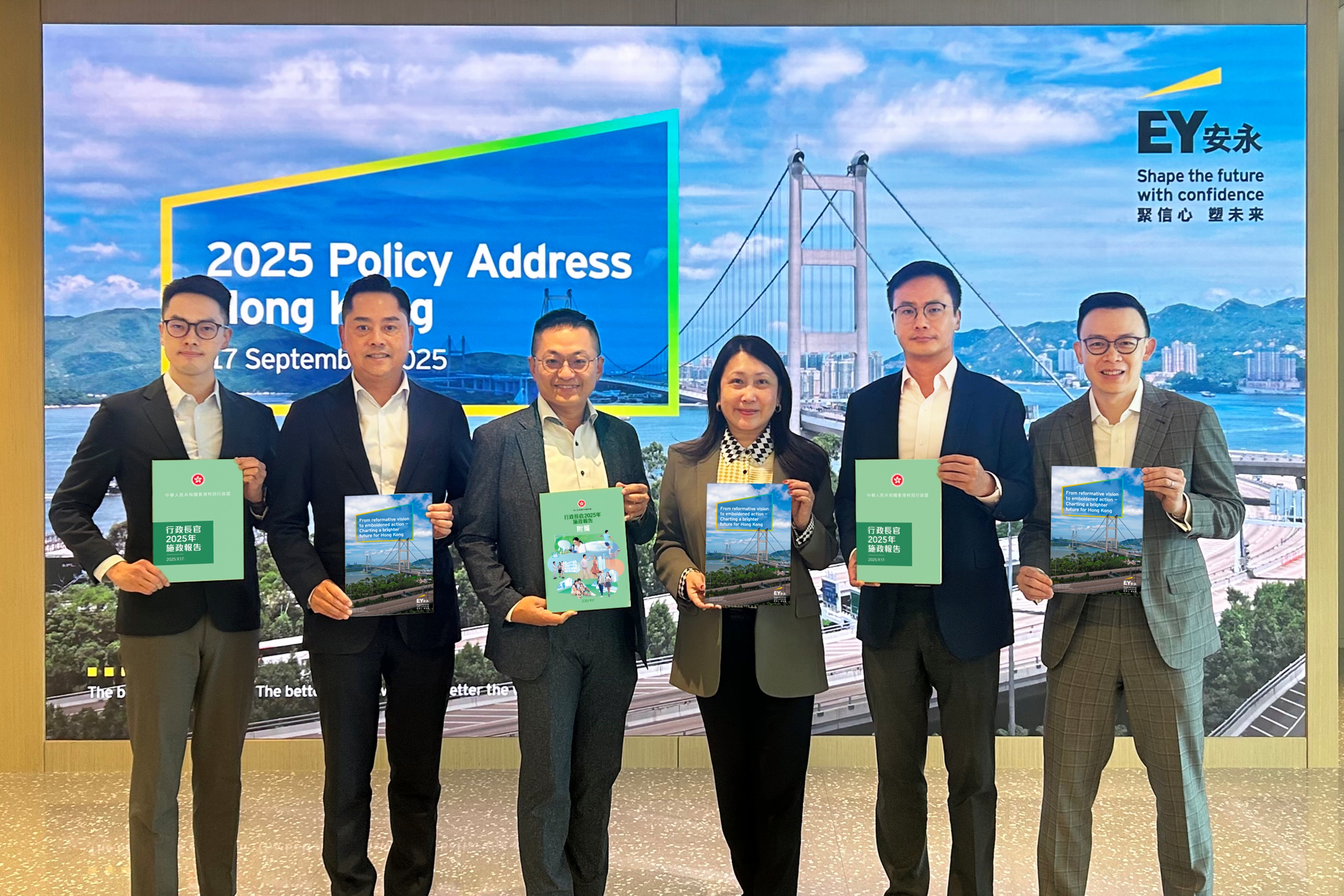
Vietnam’s Consulate General in the HKSAR expressed strong interest in deepening cooperation. It said the blueprints more specifically define Hong Kong’s role in connecting with the mainland, the Guangdong-Hong Kong–Macao Greater Bay Area and the world, representing a notable shift toward a more proactive government role in promoting development and addressing social issues.
On Hong Kong’s shift from “volume to value” in logistics and maritime services, the Vietnamese consulate said the two economies share complementary strengths. Vietnam has significant demand for infrastructure, technology, logistics and stronger innovation capacity, while Hong Kong offers advantages in research, finance, professional services and connectivity with the Greater Bay Area, ASEAN and global markets.
The consulate said Vietnam is speeding up its transition to an innovation-driven economy by prioritizing artificial intelligence, semiconductors and digital transformation alongside major infrastructure investments in railways, airports and seaports — key areas of shared strength.
The Indonesian Consulate General said it is closely monitoring how the blueprints can deepen economic relations with Southeast Asia, including plans to advance connectivity with ASEAN’s Single Window mechanism to boost digitalization of trade documents.
Bank Indonesia, the Hong Kong Monetary Authority and the People’s Bank of China signed a memorandum of understanding in June to establish a cooperation framework promoting bilateral transactions in Indonesian rupiah and offshore Chinese renminbi, the Indonesian mission noted.
“We’re keen to see stronger people-to-people contacts in the field of research and academia as the Northern Metropolis University Town continues to develop, and the annual quota for fellowships, as well as scholarship programs are increased,” the Indonesian consulate general said.
Keep reading

A24 Documentary You Can See Everything Crosses $100 Million
A24's documentary You Can See Everything crossed $100 million at the global box office this weekend, becoming one...
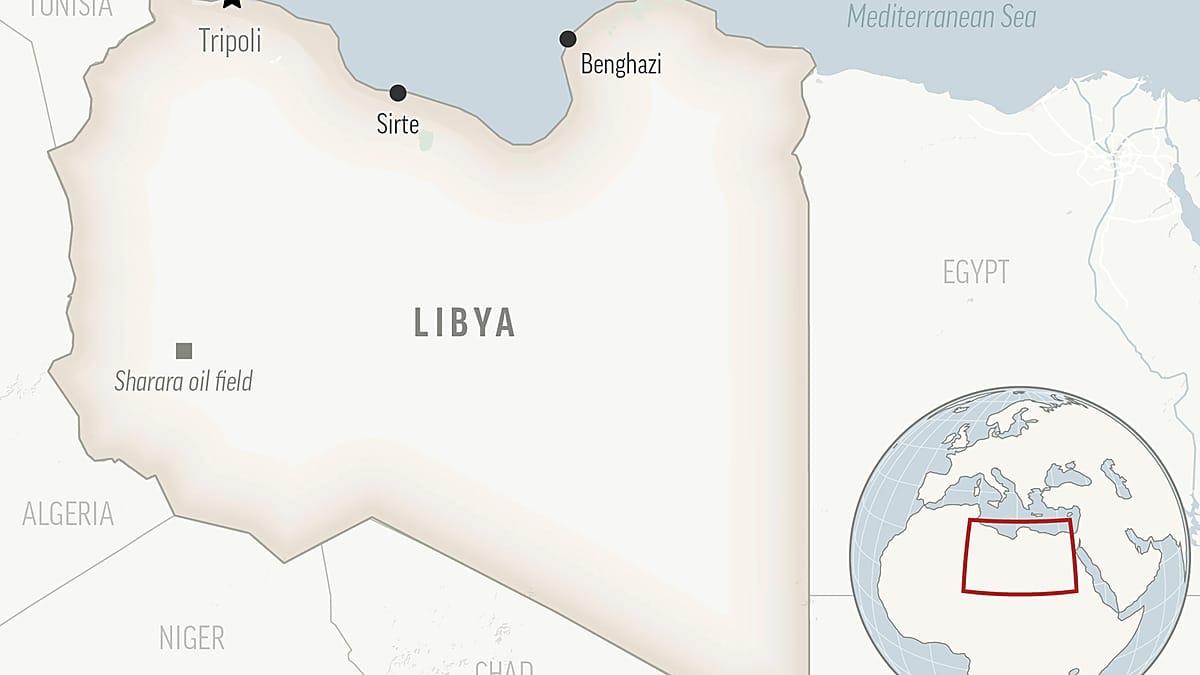
Ukraine Sinks Russian Corvette Off Libya With Naval Drones, Zelenskyy Confirms
Ukraine sank a Russian warship off Libya's coast Sunday using naval drones, President Volodymyr Zelenskyy confirmed Monday, extending...
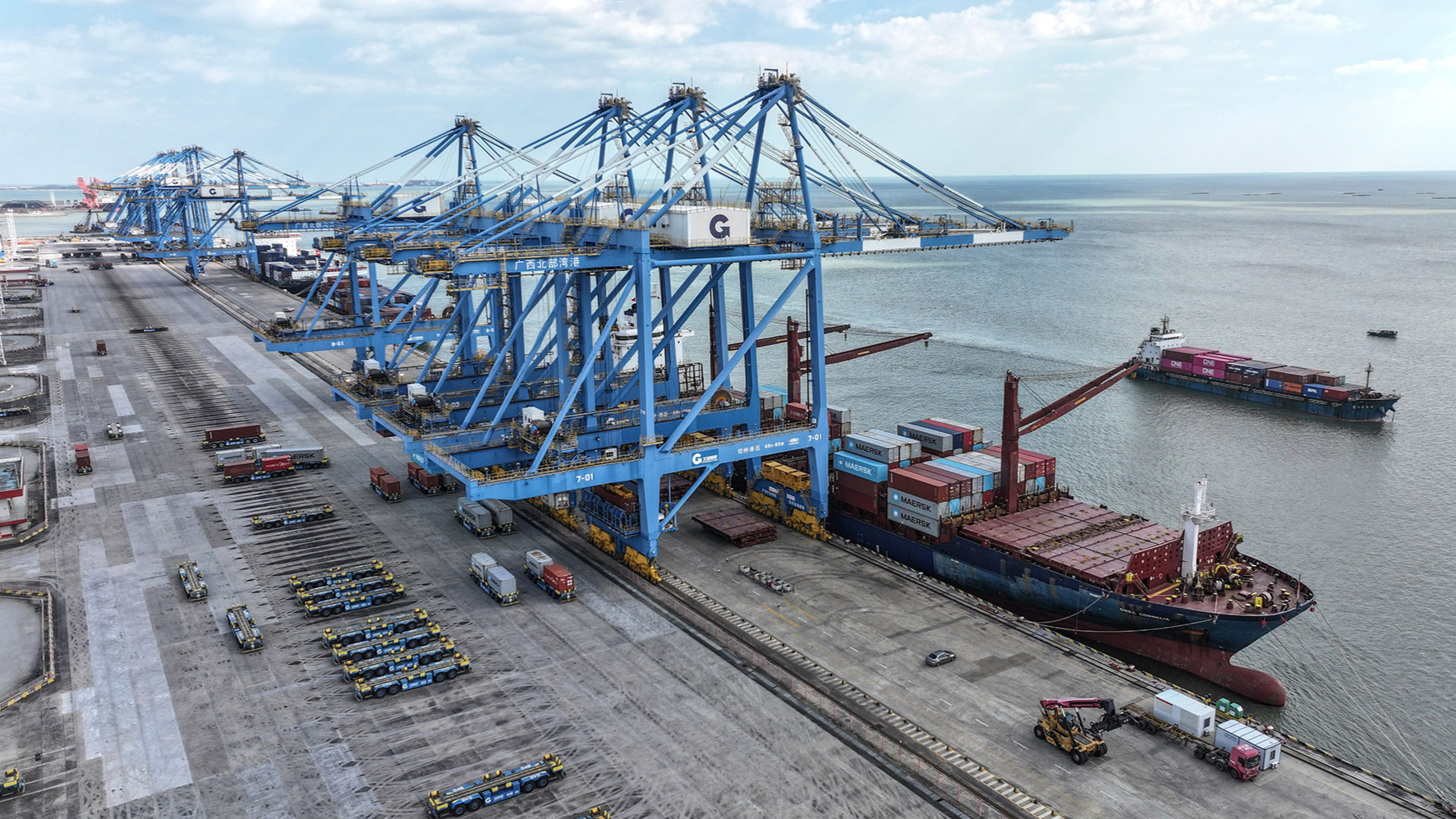
China-ASEAN FTA Upgrade Protocol Takes Effect Dec. 1, 2025 to Deepen Digital, Green Trade
The upgraded China-ASEAN Free Trade Area protocol takes effect Dec. 1, shifting cooperation from tariff cuts to rules-based...
Ex-Cop Warns Madeleine McCann Suspect’s Alleged ‘Confession’ to Cellmate May Be Ploy for Prison Notoriety
A former cellmate of Christian Brueckner claims the prime suspect in Madeleine McCann’s disappearance confessed in 2019 to...