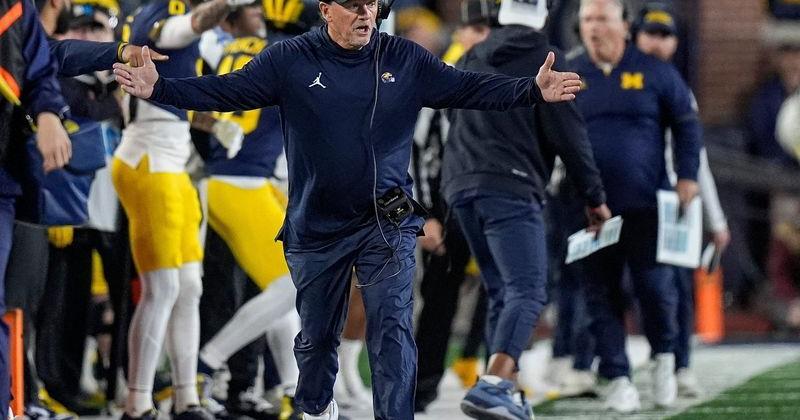
USA TODAY Sports columnist Matt Hayes argues the outrage over Michigan coach Kyle Whittingham’s admission that he does not hold a “Beat Ohio” practice period is misplaced given the program’s recent history and quarterback decisions.
Whittingham acknowledged the absence of the named practice segment, telling reporters, “We don’t call it the Beat Ohio period. But we’ve devoted time all season to beat Ohio State.”
Hayes contrasts that answer with the tenures of Whittingham’s two predecessors: Jim Harbaugh, who left for the NFL with a 10‑year NCAA show‑cause order and a fine exceeding $30 million after two simultaneous investigations, and Sherrone Moore, who was found to have texted OnlyFans models during games and pursued an inappropriate relationship with a subordinate, according to USA TODAY Sports.
“These are your Michigan Men. This is your Beat Ohio practice period,” Hayes writes.
Michigan committed roughly $12 million in name‑image‑likeness money to high‑school recruit Bryce Underwood before he took a snap. Underwood has thrown 25 touchdowns with eight rushing scores against 19 turnovers in 22 career games, USA TODAY Sports reported.
Offensive coordinator Jason Beck arrived from New Mexico with quarterback Devon Dampier, who transferred to Utah a year earlier. Hayes argues that if Michigan hadn’t had Bryce Underwood on its roster, Dampier would likely have chosen Michigan.

Whittingham’s track record at Utah supports the case that coaching, not tradition, drives offense. After the Utes ranked 102nd nationally in scoring in 2023, Whittingham fired longtime coordinator Andy Ludwig midseason and hired Beck. Utah finished 2024 with the No. 4 scoring offense in the country, an 18‑point‑per‑game improvement, USA TODAY Sports reported.
Michigan’s defense ranks among the nation’s best, yet the Wolverines enter the Ohio State game with five losses, four of them by a combined 23 points.
“At what point does Michigan realize that college football is the NFL, having morphed into a player‑driven, transactional league during the NIL era,” Hayes asks. He adds that players now prioritize cash and playing time over program pageantry, a shift affecting blue‑blood programs nationwide.
Worth a look

Pennsylvania Judgment Creditors Limited to Charging Orders Against LLC Transferable Interest, Not Company Assets
A recent Pennsylvania legal ruling clarifies that a creditor cannot seize assets from a limited liability company to...
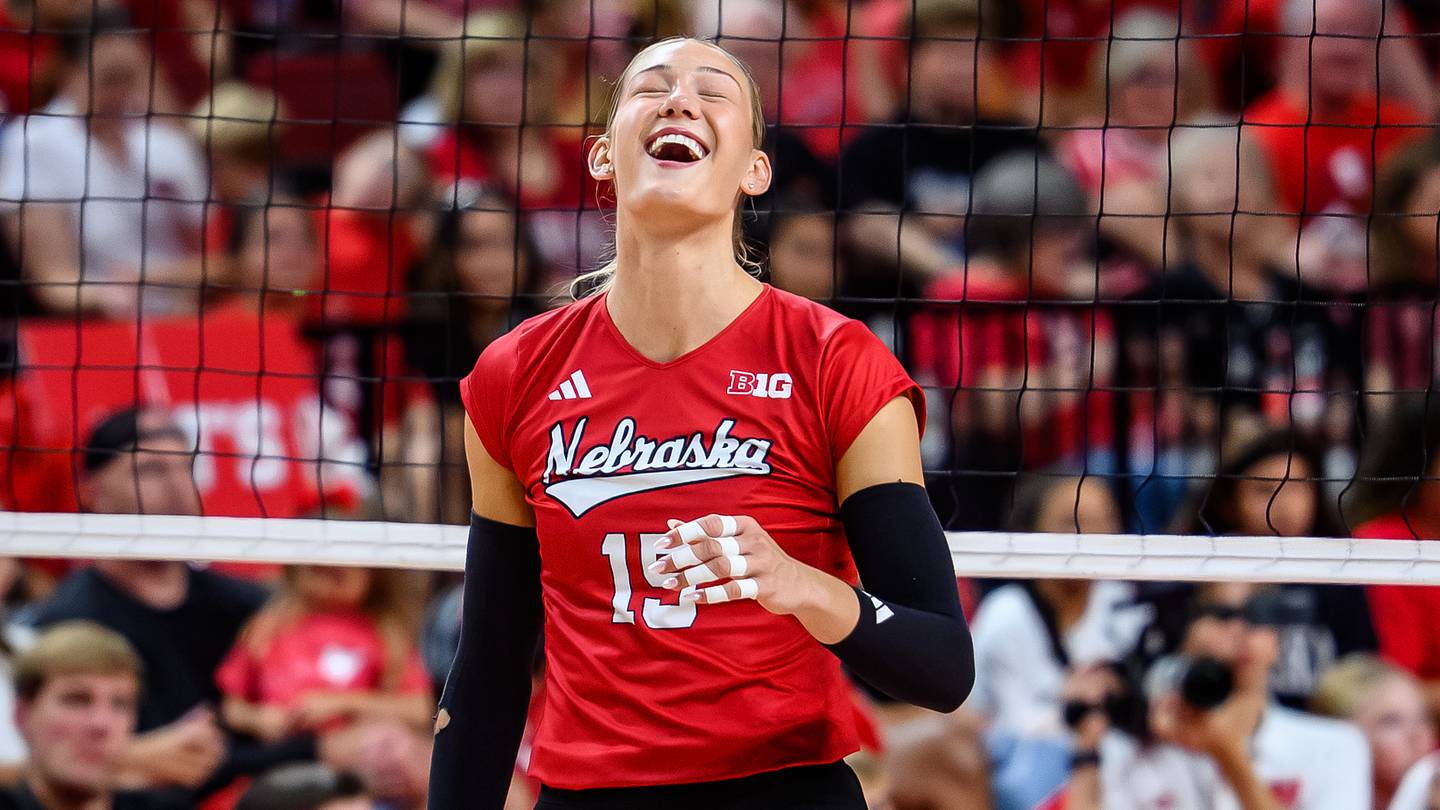
Omaha Supernovas Draft Nebraska Middle Blocker Andi Jackson Fourth Overall
McGown said General Manager John Cook called him as the draft began to confirm the pick, adding, “I...

Rockets Beat Clippers 116-104 Behind Season-High 32 Points
Houston Rockets beat Los Angeles Clippers 116-104 on Monday at Toyota Center behind a player's season-high 32 points....

Author Recounts Boston Trip With College Friends
In a personal essay for 71toes, the author recounts an October trip to Boston and New England with...