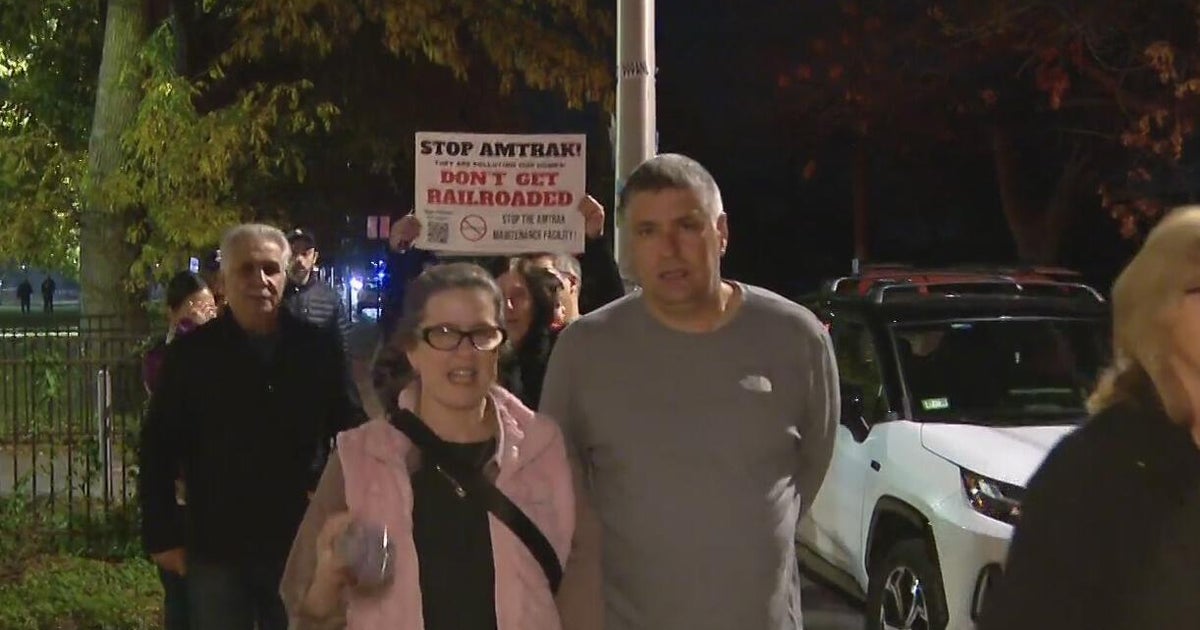
Bridgeport residents are digging in for a long fight as they push back against plans to relocate an Amtrak maintenance facility into their neighborhood.
The tension reached a new peak over the weekend following the release of a 59-page environmental assessment by the Federal Railroad Administration (FRA), which concluded that the project’s impact on the area would be “insignificant.”
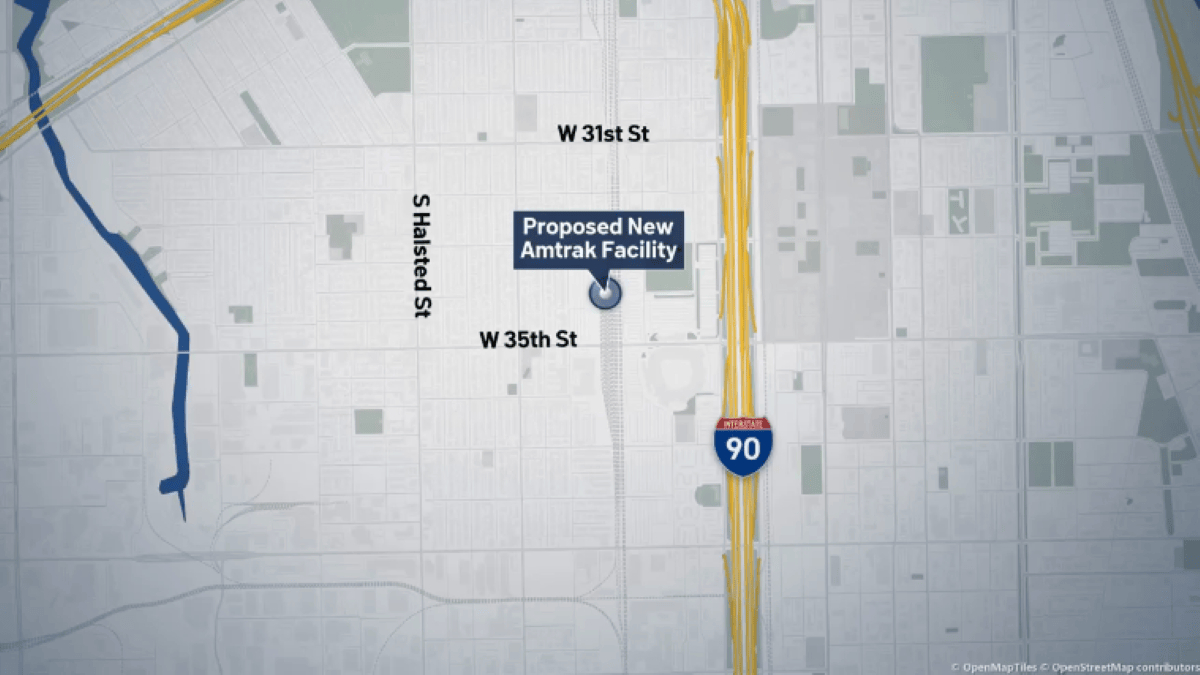
For those living near the proposed site, the federal report feels less like a scientific study and more like a foregone conclusion. According to CBS News, residents have been vocal about their opposition since late August, arguing that the facility, currently located at 12th and Canal, has no place in a residential pocket where 6,500 people live within just 500 feet of the project’s footprint.
The skepticism is widespread and sharp. Michael Mancine, a local resident, told CBS News that the assessment appeared to be “done for predetermined results,” noting that it was finalized in just 11 days following the October 26 announcement. NBC Chicago reported that 11th Ward Alderwoman Nicole Lee echoed these frustrations, stating that her community is not buying the findings of a process that moved with such sudden speed.
Ann Caruso, a Bridgeport resident, told NBC Chicago that she was tired of being treated like she did not have a brain, adding that officials were insulting her intelligence.
The environmental stakes go beyond general concerns about industrial activity. Matt Malec, a member of Bridgeport Environmentalists, examined the report and told CBS News that the document relies on repurposed information while failing to address the realities of the 54-acre site.
Specifically, neighbors are worried about the remediation of 40 acres of land where the presence of per- and polyfluoroalkyl substances—commonly known as PFAS or “forever chemicals”—has already been confirmed.
The community also points to omissions in the study regarding air quality. Maria LaGiglio, a local resident, noted via NBC Chicago that the assessment fails to account for PM 2.5, the fine particulate matter that is widely considered one of the most hazardous contaminants for human respiratory health.
The FRA report does mention that 17 viaducts would require repair as part of the project, a detail that residents argue will bring additional noise, dust, and diesel fume exposure to their schools and parks—impacts they say were ignored in the official review.
The South Loop Connection
The relocation project is not an isolated piece of infrastructure work; it is tied directly to broader development plans in the South Loop, including a potential new stadium for the Chicago White Sox. Justin Ishbia, a minority owner of the team, is the private developer and delivery partner for the Amtrak project, providing $125 million in private capital to facilitate the move.
This financial arrangement has become a focal point for critics who believe the project is being fast-tracked to clear land for a sports venue rather than to serve a public need. Some residents, including Mancine, have suggested that the team’s leadership should face greater scrutiny, arguing that the current plan provides a “free pass” for private interests at the expense of residential stability.
In a joint statement released on Friday, Amtrak and the FRA defended the review process. They stated that the deeper assessment was intended to provide the public with more information regarding the necessity of the facility and the associated infrastructure improvements.
However, for Alderman Lee, the document leaves far more questions than it answers, particularly regarding the wisdom of moving a major industrial complex from a site with 30 neighbors to one with 6,700, including nearly 1,400 seniors and over 1,100 children.
The battle is far from over. Federal officials initially attempted to greenlight the project without a detailed environmental study, only to reverse that decision following intense pressure from local residents and federal lawmakers, including Senators Tammy Duckworth and Dick Durbin.
With a final public meeting scheduled for December, the community continues to demand a fully independent environmental impact study, arguing that the current assessment is a hollow gesture rather than a genuine evaluation of their neighborhood’s future.
As winter approaches, the core question remains: will the federal government allow the project to move forward based on its 11-day assessment, or will the persistent pushback from Bridgeport residents force a more rigorous, transparent review? For now, the people living in the shadow of the proposed railyard are waiting for an answer that recognizes their health and home life as more than just an insignificant variable.
Related reading

Garrett Sager and Kayan Williams Die in Iowa Police Chase Crash
A Grand Island man and a Cedar Rapids teenager died following a police chase that ended in a...

Indiana Hoosiers beat Syracuse Orange 83-80 in Indianapolis
Syracuse Falls 83-80 to Indiana in Hard-Fought Indianapolis Clash The Syracuse Orange men's basketball team came up just...

Nathan Yearsley Uses Chicago Booth AMP to Deepen Leadership Skills
From Charitable Aid to the Executive Suite When Nathan Yearsley was a child, his family relied on charitable...

Idaho Woman Seeks $10,000 Model Horse Collection Stolen in Portland
A 20-Year Collection Vanishes in Downtown Portland “They’re just all gone, you know, in an instant,” Molly Worak...